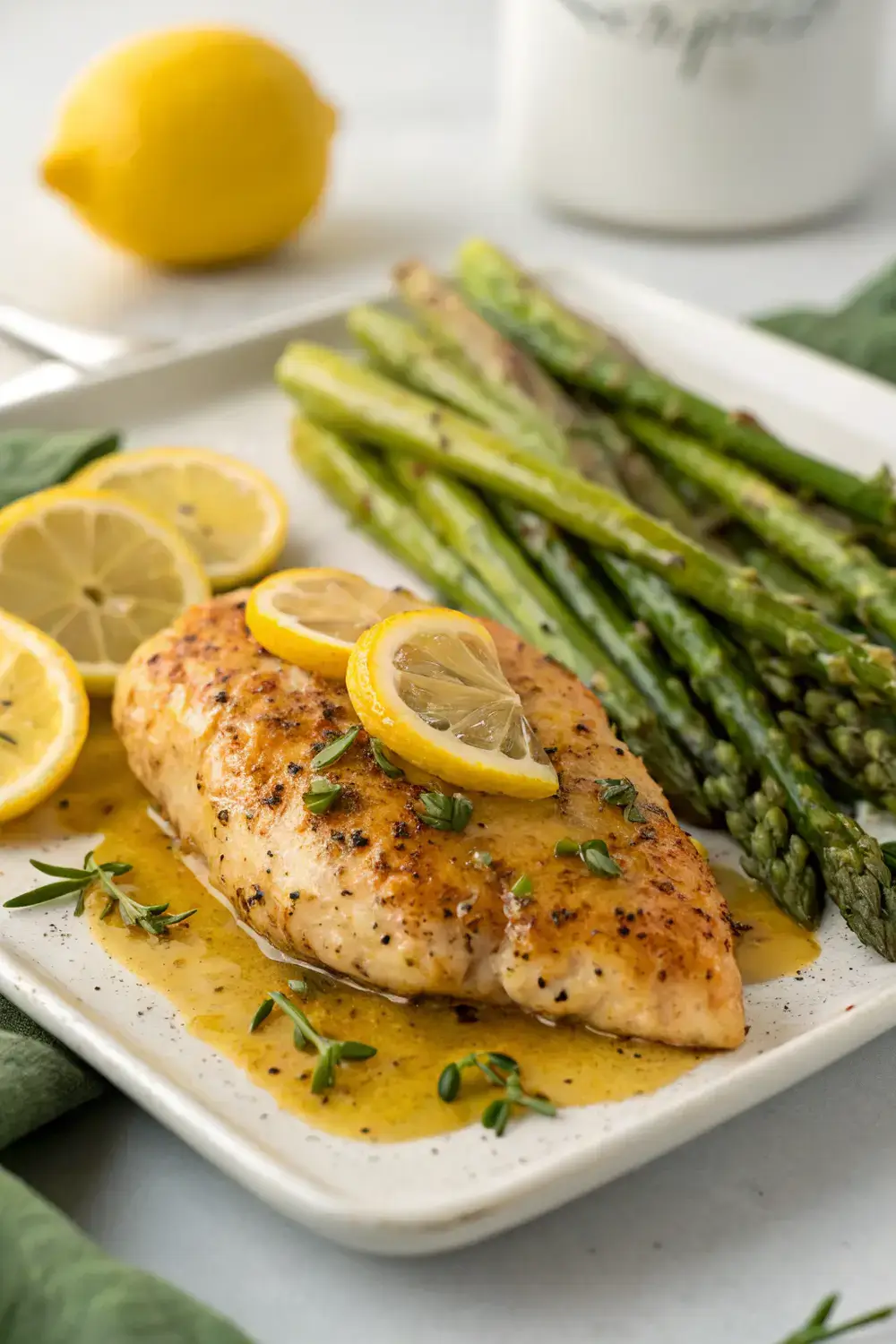
There’s a special kind of magic that happens when the work day ends, the sun is starting to dip, and you realize you have exactly 30 minutes to get a hot, satisfying dinner on the table for your family. No, you don’t want to order takeout for the third time this week. No, you don’t want to scrub three different pots and pans after you eat. And no, you definitely don’t want a meal that leaves you feeling sluggish an hour later. That’s exactly where this Zesty Baked Lemon Pepper Chicken with Crispy Asparagus comes in. It’s the recipe I turn to when I need something reliable, flavorful, and fuss-free, and it’s never let me down once.
I still remember the first time I tested this recipe, I had a last-minute playdate to host for my niece and nephew, and I needed something that would feed four people, take less than 30 minutes, and not have any pork (my sister-in-law doesn’t eat pork) or alcohol (we were serving it to kids). I threw this together, crossed my fingers, and watched as the kids cleaned their plates, even the asparagus, which is usually a hard sell. My brother asked for the recipe before he left, and that’s when I knew this was a keeper.
This meal hits all the marks: it’s low-fat, packed with protein, quick to prep, and delivers that restaurant-quality lemon pepper flavor you crave without any of the processed additives you find in store-bought seasoning blends. We marinate juicy chicken breasts in a bright, tangy lemon pepper mix, then bake them on the same pan as fresh asparagus spears, so the veggies soak up all that citrusy, savory aroma while they crisp up to golden perfection. It’s perfect for busy weeknights, meal prep Sundays, or even a casual date night at home. Serve it with a side of fluffy quinoa or a simple garden salad for a wholesome, satisfying plate that will have everyone asking for seconds. Best of all, it’s 100% pork-free and alcohol-free, so it fits a wide range of dietary needs without sacrificing an ounce of flavor.
Ingredients for Zesty Baked Lemon Pepper Chicken with Crispy Asparagus
Before you get started, gather all your ingredients so the prep process goes smoothly. I’ve included notes for each item to help you choose the best options, even if you’re a total beginner in the kitchen.
For the Lemon Pepper Chicken
- 4 boneless, skinless chicken breasts: Look for breasts that are similar in size so they cook evenly. If you end up with thick, uneven breasts, don’t skip pounding them to an even 1-inch thickness later on. This step is key to avoiding dry, overcooked edges while the center stays raw. You can also swap these for thighs if you prefer darker meat, which I’ll cover in the variations section.
- 2 tbsp extra virgin olive oil: This helps the seasoning blend stick to the chicken, and keeps the meat moist as it bakes. You can use regular olive oil if that’s what you have, but extra virgin has a fruitier, brighter flavor that pairs perfectly with lemon.
- 1 tbsp lemon zest (from ~2 medium lemons): Use a microplane or fine grater to get just the yellow outer layer of the lemon peel. Avoid the white pith underneath, which is bitter and will throw off the flavor of the marinade. Zest the lemons before you juice them, it’s way easier that way.
- 2 tbsp fresh lemon juice (from ~1 large lemon): Fresh juice is non-negotiable here. Bottled lemon juice has preservatives and a flat, metallic flavor that can’t compare to the bright tang of fresh-squeezed. Roll the lemon on the counter while pressing down with your palm before you cut it, it helps release more juice.
- 2 tsp freshly cracked black pepper: Pre-ground black pepper loses its flavor quickly, so crack whole peppercorns with a pepper mill or the back of a spoon for the most punchy, aromatic pepper flavor. Adjust the amount down if you’re sensitive to spice, but don’t skip it entirely, it’s the star of the lemon pepper blend.
- 1 tsp garlic powder: I use powder instead of fresh minced garlic here because it dissolves evenly into the marinade, so you don’t get burnt garlic bits on the chicken. Make sure you’re using garlic powder, not garlic salt, since we add salt separately.
- 1 tsp onion powder: This adds a subtle savory depth that balances out the bright lemon and sharp pepper. Like the garlic powder, it blends seamlessly into the marinade without adding chunky bits.
- 1 tsp dried oregano: Mediterranean oregano works best here, it has a earthy, slightly floral flavor that pairs perfectly with lemon. You can use fresh oregano if you have it, just double the amount since dried herbs are more concentrated.
- ½ tsp sweet paprika: This gives the chicken a beautiful golden color as it bakes, without adding any heat. Avoid smoked paprika unless you want a smoky flavor, which can clash with the bright lemon notes.
- 1 tsp kosher salt: Kosher salt has larger flakes that stick to the chicken better than table salt. If you’re using table salt, reduce the amount to ¾ tsp to avoid over-salting. You can always add more salt at the table, but you can’t take it out once it’s mixed in.
- ¼ tsp red pepper flakes (optional): These add a tiny bit of heat that cuts through the richness of the chicken. Omit entirely if you’re serving this to kids or anyone who doesn’t like spice.
For the Crispy Asparagus
- 1 lb fresh asparagus (1 bunch): Choose spears that are bright green, firm to the touch, and have tight, closed tips. Avoid bunches with wilted, yellowing spears or tips that are starting to flower. Thicker spears hold up better to baking, but pencil-thin spears work too if you adjust the cook time, which I’ll cover later.
- 1 tbsp extra virgin olive oil: Just like with the chicken, this helps the asparagus crisp up in the oven instead of steaming. Don’t skimp here, but don’t drown the veggies either, 1 tbsp is the perfect amount for 1 lb of asparagus.
- ½ tsp lemon zest: Use the same lemons you zested for the chicken marinade to tie the flavors of the two components together. No need to zest extra lemons, just set aside a little bit of the zest before you mix the marinade.
- ¼ tsp kosher salt: A little salt goes a long way with asparagus, it brings out the vegetable’s natural sweetness without overpowering it.
- ¼ tsp freshly cracked black pepper: Matches the pepper in the chicken marinade, so every bite of the meal has that consistent lemon pepper flavor.
Optional Serving Additions
- Fresh lemon wedges: For an extra squeeze of bright lemon juice at the table.
- Chopped fresh parsley: Adds a pop of green color and fresh, herbaceous flavor.
- Grated parmesan cheese: Optional, but the salty, nutty flavor pairs perfectly with both the chicken and asparagus.
- Cooked quinoa or prepared garden salad: As mentioned, these are the perfect sides to round out the meal.
Step-by-Step Instructions for Perfect Baked Lemon Pepper Chicken
Don’t let the list of ingredients intimidate you, this recipe comes together in just a few simple steps. I’ve included all my favorite tips along the way to make sure even first-time cooks get restaurant-quality results.
Step 1: Prep the Chicken
Start by taking your chicken breasts out of the package and patting them dry thoroughly with paper towels. This step is so important, excess moisture on the surface of the chicken will prevent it from browning, and can make the marinade slide right off. If your chicken breasts are thicker than 1 inch at the thickest part, place them between two sheets of plastic wrap or inside a zip-top bag, and pound them gently with a meat mallet, rolling pin, or even the back of a heavy skillet until they’re an even 1-inch thickness. This ensures they cook evenly, so you don’t end up with dry, overcooked edges and a raw center.
Step 2: Make the Lemon Pepper Marinade
In a small bowl, whisk together the olive oil, lemon zest, lemon juice, cracked black pepper, garlic powder, onion powder, oregano, paprika, salt, and red pepper flakes (if using). Whisk for 30 seconds to 1 minute, until the mixture is fully emulsified. Lemon juice and olive oil naturally separate, so whisking well ensures every bite of chicken gets an even coating of flavor. Taste the marinade if you’d like, and adjust the salt or pepper to your preference.
Step 3: Marinate the Chicken
Place the dried chicken breasts in a shallow dish or a zip-top plastic bag. Pour the marinade over the chicken, and toss gently to coat every surface evenly. Let the chicken sit in the marinade for at least 10 minutes at room temperature, or up to 24 hours in the fridge. If you’re marinating longer than 30 minutes, cover the dish or seal the bag and pop it in the refrigerator. A quick 10-minute marinade works great for busy weeknights, but letting it sit for 2-4 hours really lets the flavors penetrate the meat. Just don’t marinate longer than 24 hours, the acidic lemon juice will start to break down the proteins in the chicken, making it mushy, like ceviche.
Step 4: Prep the Asparagus and Preheat the Oven
While the chicken is marinating, preheat your oven to 400°F (200°C). Line a large rimmed baking sheet with parchment paper or a silicone baking mat, this makes cleanup a breeze and prevents the chicken and veggies from sticking. Rinse the asparagus under cold water, then snap off the woody ends: hold each spear near the bottom, and bend it gently until it snaps naturally. The spear will break exactly where the tender part ends and the woody, fibrous part begins, so you don’t have to guess. Discard the tough ends, then pat the asparagus dry with paper towels, just like you did with the chicken. Excess moisture will make the asparagus steam instead of roast, so don’t skip this step.
Toss the prepped asparagus right on the lined baking sheet with the 1 tbsp olive oil, ½ tsp lemon zest, ¼ tsp salt, and ¼ tsp pepper. Use your hands or a spatula to toss until every spear is evenly coated. Spread the asparagus out in a single layer, with no spears overlapping. If they’re crowded, they’ll steam instead of getting crispy, so use a second baking sheet if your first one is too small.
Step 5: Arrange and Bake
Push the asparagus to one side of the baking sheet, then place the marinated chicken breasts on the other side, making sure they don’t overlap. Spoon any remaining marinade from the dish or bag over the chicken breasts. If you’re using pencil-thin asparagus, wait 5-10 minutes before adding it to the pan, since thin spears cook much faster than chicken. Thick asparagus can go in the pan at the same time as the chicken.
Slide the baking sheet into the preheated oven, and bake for 20-25 minutes total. The chicken is done when it reaches an internal temperature of 165°F (74°C) on a meat thermometer inserted into the thickest part. The asparagus should be tender-crisp, with slightly charred tips and a bright green color. If the asparagus is done before the chicken, use a spatula to transfer it to a plate and keep it warm with foil, then put the chicken back in the oven to finish cooking.
Step 6: Rest the Chicken
Once the chicken is fully cooked, take the baking sheet out of the oven. Transfer the chicken breasts to a cutting board, and tent them loosely with aluminum foil. Let them rest for 5 full minutes before cutting into them. This step is crucial, it lets the juices redistribute throughout the meat, so when you slice it, the juices stay in the chicken instead of running out onto the cutting board. If you skip this step, you’ll end up with dry, stringy chicken.
Step 7: Serve and Enjoy
After the chicken has rested, slice it against the grain: look for the direction of the muscle fibers, and cut perpendicular to them. This makes the chicken more tender to chew. Arrange the sliced chicken and crispy asparagus on a white platter, top with chopped fresh parsley, lemon wedges, and grated parmesan if using. Serve immediately with your choice of quinoa or a simple garden salad.
Tasty Variations and Easy Substitutions
One of the best things about this recipe is how customizable it is. Whether you’re cooking for someone with dietary restrictions, or just want to switch things up, these variations will keep this meal feeling fresh week after week.
Swap the Protein
Don’t feel like chicken breasts? You can swap them for boneless, skinless chicken thighs, which have a richer, juicier flavor. Thighs take 5-10 minutes longer to bake than breasts, so check for an internal temperature of 165°F. Bone-in chicken breasts work too, just increase the bake time by 10-15 minutes, and cover the pan with foil if the skin starts to brown too quickly. For a plant-based option, press a block of extra-firm tofu for 30 minutes to remove excess moisture, slice it into 1-inch thick slabs, marinate it in the same lemon pepper blend for 15 minutes, and bake for 25-30 minutes, flipping halfway. Large raw shrimp are another great swap: peel and devein them, marinate for just 5 minutes (any longer and the lemon juice will make them tough), and bake for 8-10 minutes total, adding the asparagus at the same time since shrimp cooks so fast.
Switch Up the Veggies
Asparagus is delicious, but it’s not the only veggie that works here. Green beans, snap peas, broccoli florets, zucchini slices, and bell pepper strips all roast beautifully alongside the chicken. Harder veggies like broccoli take about 20 minutes to roast, while softer veggies like zucchini only need 15 minutes, so adjust the add time accordingly. You can even mix two or three veggies together, just make sure they’re spread in a single layer so they crisp up properly.
Lemon Pepper Adjustments
If you’re not a huge lemon fan, reduce the lemon zest to 1 tbsp and the lemon juice to 1 tbsp for a milder flavor. Want more pepper kick? Add an extra tsp of freshly cracked black pepper, or a pinch more red pepper flakes. You can also use a store-bought lemon pepper seasoning blend instead of making your own, just check the ingredient list to make sure it doesn’t contain any pork products or alcohol, which most blends don’t, but it’s always good to double check. For extra herby flavor, stir 1 tsp of dried thyme or rosemary into the marinade, or sprinkle fresh herbs over the dish right before serving.
Dietary-Friendly Swaps
This recipe is already naturally gluten-free, low-carb, and keto-friendly, but you can tweak it further to fit your needs. For a low-carb meal, skip the quinoa side and serve with cauliflower rice, mashed avocado, or extra roasted veggies. For a vegan version, use the tofu protein swap and skip the parmesan cheese, all other ingredients are plant-based. For a dairy-free version, just omit the parmesan, the rest of the recipe is already dairy-free.
Spice It Up
If you like a little more heat, add a dash of your favorite hot sauce to the marinade, or swap the oregano and paprika for 1 tsp of Cajun seasoning for a Southern-inspired twist. You can also sprinkle a little cayenne pepper over the asparagus before roasting for an extra kick.
Storage and Reheating Tips
This recipe is fantastic for meal prep, since leftovers taste just as good the next day, if not better. Here’s how to store and reheat it properly to keep the chicken juicy and the asparagus crispy.
Storing Leftovers
Let the chicken and asparagus cool completely to room temperature before storing, but don’t leave them out for more than 2 hours to avoid food safety issues. Transfer them to an airtight container, you can store the chicken and asparagus together, or separate them if you prefer. Leftovers will keep in the fridge for up to 4 days. If you want to store the asparagus separately, it will stay a little crispier, since the chicken can release juices that soften the veggie.
Freezing Instructions
Yes, you can freeze this meal! Let the cooked chicken and asparagus cool completely, then place them in freezer-safe zip-top bags. Squeeze out as much air as possible before sealing, and label the bag with the date. Frozen leftovers will keep for up to 3 months. To thaw, transfer the bag to the fridge overnight before reheating. I don’t recommend refreezing thawed leftovers, so only freeze what you know you won’t eat within 4 days.
Reheating for Best Results
The oven is the best way to reheat this meal, it keeps the asparagus crispy and the chicken juicy. Preheat your oven to 350°F, place the leftovers on a baking sheet, and cover with foil. Bake for 10-15 minutes, until heated through. Uncover the last 3 minutes of baking to crisp up the asparagus again. An air fryer works even better if you have one: preheat to 350°F, place leftovers in the basket, and cook for 5-7 minutes, shaking the basket halfway. The microwave is a last resort, use 50% power and heat for 1-2 minutes, but note that the asparagus will be soft and the chicken may be slightly rubbery.
Common Mistakes to Avoid (So Your Dinner Turns Out Perfect Every Time)
Even the simplest recipes can go wrong if you miss a small step. Here are the most common mistakes I see people make with this lemon pepper chicken, and how to avoid them.
Overcrowding the Pan
This is the #1 mistake that leads to soggy asparagus and pale, steamed chicken. If you put too much chicken or too many veggies on the baking sheet, they release moisture that can’t evaporate, so they steam instead of roast. Always use a large enough pan that everything fits in a single layer, with a little space between each item. If you’re doubling the recipe, use two baking sheets instead of crowding one.
Skipping the Paper Towel Pat Dry
Excess moisture on the surface of the chicken or asparagus will prevent browning and crisping. It only takes 30 seconds to pat everything dry with paper towels, but it makes a huge difference in the final texture and flavor. Don’t skip this step, even if you’re in a rush.
Not Pounding Thick Chicken Breasts
Thick, uneven chicken breasts will always cook unevenly. The thin edges will dry out and overcook before the thick center reaches 165°F. Pounding them to an even 1-inch thickness takes 2 minutes max, and ensures every bite is juicy and perfectly cooked.
Over-Marinating the Chicken
Lemon juice is acidic, which is great for flavoring, but too much acid will break down the proteins in the chicken, making it mushy and mealy. Stick to the 10-minute to 24-hour marinating window, and never marinate for longer than 24 hours.
Overcooking or Undercooking the Chicken
The only way to know for sure if chicken is cooked is to use a meat thermometer. Visual cues like clear juices or white meat can be misleading. Pull the chicken out of the oven when it reaches 165°F, it will rise to 170°F while resting, which is the safe upper limit for juicy chicken. If you go over 175°F, the meat will be dry and stringy.
Adding Thin Asparagus Too Early
Pencil-thin asparagus spears cook in 10-12 minutes at 400°F, while chicken takes 20-25 minutes. If you add thin asparagus to the pan at the same time as the chicken, it will turn to mush by the time the chicken is done. Wait 5-10 minutes after the chicken goes in the oven to add thin asparagus, so they finish cooking at the same time.
Not Letting the Chicken Rest
I mentioned this in the instructions, but it’s worth repeating: cutting into chicken right out of the oven lets all the juices run out onto the cutting board, leaving you with dry meat. Resting for 5 minutes lets the juices redistribute, so every bite is moist and flavorful.
Frequently Asked Questions (All Your Lemon Pepper Chicken Queries Answered)
I get so many questions about this recipe, so I’ve rounded up the most common ones here to save you time.
Can I use bottled lemon juice instead of fresh?
Fresh lemon juice is always best, it has a bright, vibrant flavor that bottled juice can’t match. Bottled lemon juice often has preservatives and a flat, metallic taste. If you’re in a pinch and only have bottled juice, use 1 tbsp of bottled juice for every 1 tbsp of fresh juice called for in the recipe, but reduce the amount by a little bit, since bottled juice is often more acidic than fresh.
Can I make this ahead of time?
Absolutely! You can marinate the chicken up to 24 hours ahead of time, store it in the fridge in the marinade. You can also prep the asparagus ahead: wash, trim, and dry it, then store it in an airtight container in the fridge for up to 2 days. When you’re ready to cook, just assemble the pan and bake as directed. You can also bake the full meal ahead of time, store leftovers as directed, and reheat for a quick dinner later in the week.
Is this recipe gluten-free?
Yes! All of the ingredients in this recipe are naturally gluten-free. Just make sure your spices don’t have added gluten (most don’t, but some pre-made blends can have anti-caking agents that contain gluten, so check the label if you have celiac disease or a severe gluten intolerance).
Can I use frozen asparagus?
Yes, frozen asparagus works in a pinch. Thaw it completely first, then pat it very dry with paper towels to remove as much excess moisture as possible. Frozen asparagus may release a little more water as it bakes, so you may need to add 2-3 extra minutes to the bake time, but watch it carefully so it doesn’t get mushy.
My chicken always comes out dry, how do I fix that?
Dry chicken is usually caused by overcooking, uneven thickness, or not resting. Use a meat thermometer to make sure you don’t overcook it, pound the breasts to even 1-inch thickness, marinate for at least 10 minutes to add moisture, and always let the chicken rest for 5 minutes after baking. Follow those steps, and you’ll never have dry chicken again.
Can I grill this instead of baking?
Yes! This recipe works great on the grill. Preheat your grill to medium-high heat, and oil the grates to prevent sticking. Grill the chicken for 5-6 minutes per side, until it reaches 165°F. Place the asparagus in a grill basket, or thread them onto metal skewers, and grill for 3-4 minutes per side, until charred and tender. The grilled version has a nice smoky flavor that pairs perfectly with the lemon pepper.
Can I make this in an air fryer?
Absolutely, the air fryer makes the chicken extra crispy and the asparagus perfectly charred. Preheat your air fryer to 380°F. Place the marinated chicken in the basket, and cook for 12-15 minutes, flipping halfway through. Add the asparagus to the basket in the last 8 minutes of cooking, shaking the basket halfway through. Check that the chicken reaches 165°F before serving.
Is this recipe low-fat and high-protein?
Yes! Each serving has about 35g of protein and only 8g of fat, most of which comes from heart-healthy olive oil. There’s no butter, no pork fat, and no fried breading, so it’s a great option if you’re watching your fat intake or trying to hit protein goals.
Why This Lemon Pepper Chicken Will Become Your Go-To Weeknight Dinner
I’ve made this Zesty Baked Lemon Pepper Chicken with Crispy Asparagus more times than I can count, and it’s never failed to impress. It’s the perfect balance of bright, tangy, savory, and crunchy, and the fact that it all comes together in one pan means cleanup is done in 2 minutes flat. It’s family-friendly, picky-eater approved, and fits a wide range of dietary needs since it’s pork-free, alcohol-free, gluten-free, and low-carb.
Whether you’re meal prepping for a busy week of lunches, cooking for a crowd of friends, or just trying to get a healthy dinner on the table for your family without spending hours in the kitchen, this recipe has you covered. It’s customizable, easy to scale up or down, and always delivers that restaurant-quality flavor you crave, right in your own kitchen.
Don’t forget to save this recipe to your favorite Pinterest board for busy weeknights, so you always have a reliable, delicious dinner idea at your fingertips. I promise, once you try it, you’ll be making it on repeat just like I do.