Ultimate BBQ Grilling Guide for Beginners: Your Summer Cookout Success Starts Here
Summer is here, and the smell of sizzling meat on the grill is calling your name. Whether you’re hosting a backyard bash or just want to impress your family with a perfectly grilled meal, mastering the art of BBQ can feel daunting. But fear not—this comprehensive guide will walk you through everything you need to know to become a grilling pro. From choosing the right cuts of meat to nailing that coveted char, we’ve got you covered.
Why This Guide Works for Beginners
Grilling isn’t just about throwing food on a hot surface. It’s about understanding heat, timing, and flavor. This guide simplifies the process, offering step-by-step instructions and insider tips that even a first-time griller can follow. Plus, we’ll cover the essentials so you can avoid common pitfalls and serve up juicy, flavorful results every time.
What You’ll Learn
In this article, you’ll discover:
- How to select the best cuts of meat for grilling
- Essential tools and setup tips
- Detailed grilling techniques for chicken, beef, and vegetables
- Marinades and seasoning ideas that pack a punch
- How to store leftovers and reheat like a pro
- Answers to frequently asked grilling questions
Getting Started: Tools and Setup
Before you fire up the grill, let’s talk tools. You don’t need a fancy setup to get started—just the basics will do.
Essential Grilling Tools
- Grill: Whether you prefer gas or charcoal, make sure it’s clean and in good working condition.
- Tongs: A long-handled pair is crucial for flipping without burning your hands.
- Thermometer: An instant-read thermometer ensures your meat is cooked to the right temperature.
- Basting brush: For applying marinades or sauces during grilling.
- Aluminum foil: Great for wrapping vegetables or keeping cooked food warm.
Preparing Your Grill
For gas grills, turn the burners to high and close the lid for 10–15 minutes. For charcoal grills, light the coals and let them ash over. The goal is to have a hot, clean grill surface. A well-preheated grill prevents sticking and gives your food those beautiful grill marks.
Meat Selection: Choosing the Best Cuts
Choosing the right meat is half the battle. Here are beginner-friendly options that deliver juicy results:
Chicken
Chicken thighs and drumsticks are forgiving and hard to overcook. For breast meat, opt for bone-in cuts—they stay moist longer. Always choose fresh, never frozen, if possible.
Beef
Pick cuts like ribeye, sirloin, or filet mignon for steaks. For burgers, go with ground chuck (80% lean) for the best flavor and juiciness.
Vegetarian Options
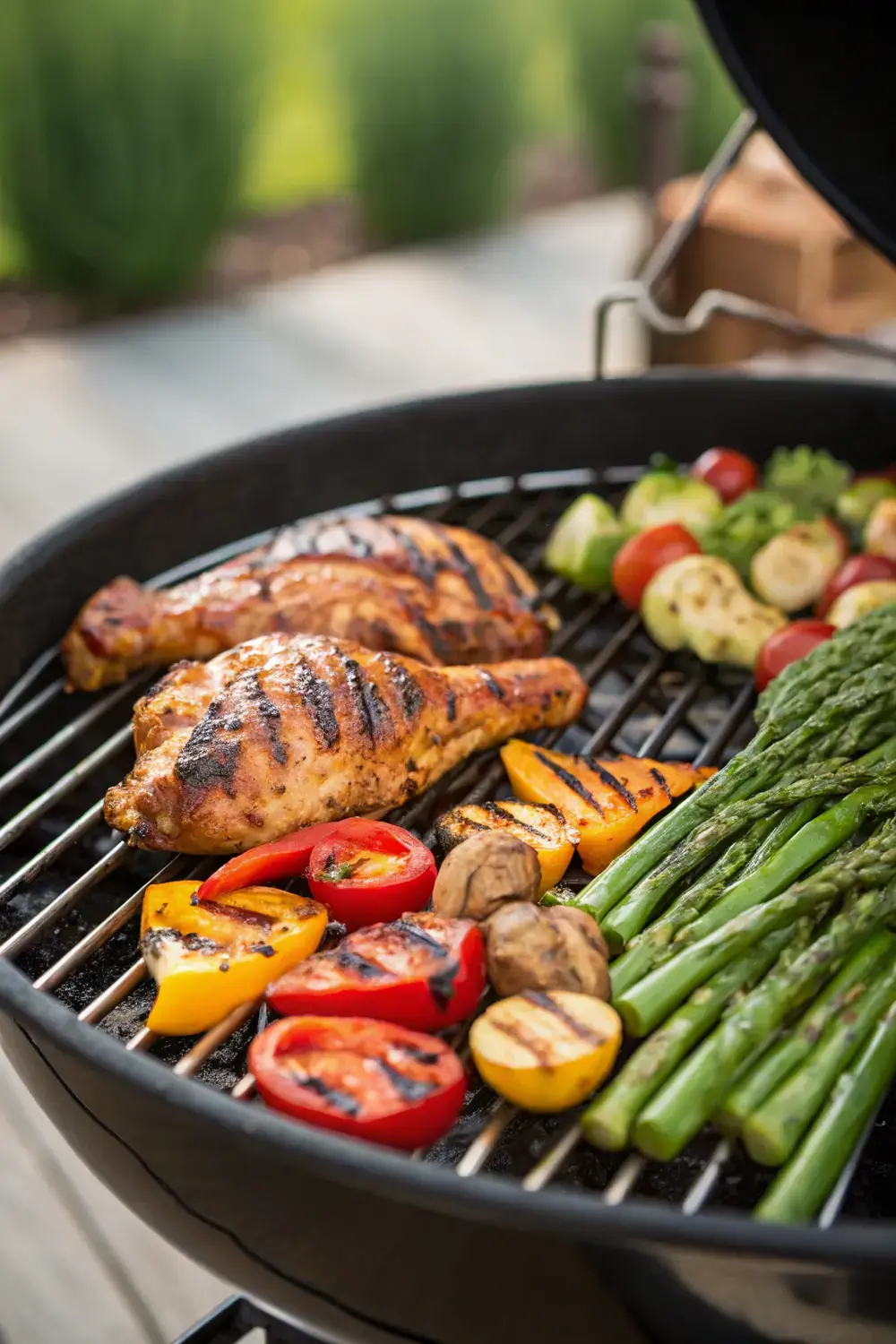
Portobello mushrooms, zucchini, bell peppers, and corn are fantastic on the grill. Brush them with olive oil and season with salt and pepper for a simple yet satisfying side.
The Secret to a Great Marinade
A good marinade adds flavor and tenderness. Here’s a basic formula that works for chicken, beef, or veggies:
- 2 parts oil (olive or vegetable)
- 1 part acid (lemon juice or vinegar)
- Salt, pepper, garlic powder, and herbs (like rosemary or thyme)
Marinate for at least 30 minutes, but no more than 24 hours for meat. This balance keeps flavors bright without overpowering the natural taste.
Step-by-Step Grilling Instructions
Now, let’s get into the nitty-gritty of grilling. Follow these steps for restaurant-quality results at home.
1. Preheat and Clean Your Grill
As mentioned earlier, preheating is essential. While the grill heats up, use a wire brush to scrape off any leftover debris from previous sessions. A clean grill prevents sticking and ensures even cooking.
2. Oil the Grates
Dip a folded paper towel in oil and use tongs to rub it over the grates. This extra step prevents food from sticking and creates that signature grill pattern.
3. Season Your Meat
Pat your meat dry with paper towels before seasoning. This helps the spices adhere better. For chicken, apply a generous layer of your favorite dry rub or marinade. For beef, simple salt and pepper work wonders.
4. Grill Over Direct Heat First
Place your meat or vegetables directly over the flames. This sears the outside and locks in juices. For chicken, grill for 4–5 minutes per side before moving to a cooler part of the grill.
5. Use Indirect Heat for Finishing
Once seared, move your food to a cooler part of the grill (away from direct heat) to finish cooking. This method prevents burning and ensures even doneness.
6. Check Internal Temperature
Use a meat thermometer to check:
- Chicken: 165°F (74°C)
- Beef (medium-rare): 130–135°F (54–57°C)
- Pork (if ever used): 145°F (63°C) – though not applicable here due to dietary restrictions
7. Let It Rest
After grilling, tent your meat with foil and let it rest for 5–10 minutes. This allows the juices to redistribute, making each bite incredibly tender.
Grilling Chicken: Tips for Juicy Results
Chicken is a grilling staple, but it’s also tricky to get right. Here’s how to master it:
Preparation
- Choose bone-in, skin-on thighs or drumsticks for maximum flavor and moisture.
- Brine your chicken in a saltwater solution (1 tbsp salt per cup of water) for 30 minutes before grilling.
Cooking Method
- Start with high heat to crisp the skin.
- Lower the heat and move to indirect heat to finish cooking through.
- Baste with leftover marinade during the last few minutes—but never reuse marinade that touched raw meat!
Perfect Grilled Vegetables: Simple and Delicious
Vegetables are a fantastic addition to any BBQ spread. Here’s how to grill them to perfection:
Best Veggies for Grilling
- Bell peppers: Halve and remove seeds before grilling.
- Zucchini: Slice lengthwise into thick planks.
- Corn: Leave in the husk for smoky flavor or peel and grill directly.
- Portobello mushrooms: Marinate caps for 30 minutes before grilling.
Grilling Tips
- Brush with oil to prevent sticking.
- Grill over medium heat for 3–5 minutes per side.
- Season after grilling to maintain texture.
Cooking Variations and Substitutions
Don’t be afraid to experiment! Here are some ideas:
Flavor Twists
- Swap rosemary for cilantro and lime for a Mexican-inspired flair.
- Add smoked paprika or cumin to your dry rub for depth.
Protein Swaps
If chicken or beef isn’t your thing, try grilling:
- Salmon fillets (12–14 minutes over medium heat)
- Turkey burgers (160°F internal temp)
- Plant-based sausages or veggie burgers
Storing and Reheating Leftovers
Grilled food tastes great the next day, but proper storage is key.
Storage Tips
- Let food cool completely before refrigerating.
- Store in airtight containers within two hours of cooking.
- Label with dates to track freshness—use within 3 days.
Reheating Methods
- Oven: Wrap in foil and heat at 350°F until warmed through.
- Skillet: Reheat on low heat with a splash of water to prevent drying.
- Microwave: Cover with a damp paper towel to retain moisture.
Common Mistakes to Avoid
Even seasoned grillers make these errors. Here’s how to sidestep them:
- Overcrowding the grill: This drops the temperature and leads to uneven cooking.
- Moving food too much: Let it sit undisturbed for 4–5 minutes per side to develop a good sear.
- Not letting meat rest: Skipping this step means losing precious juices.
- Using the wrong oil: Avoid high-smoke-point oils like avocado oil instead of olive oil.
Frequently Asked Questions
Q: How long should I marinate meat?
A: For chicken, aim for 30 minutes to 2 hours. Beef can handle up to 24 hours, while vegetables benefit from just 15–30 minutes.
Q: Can I reuse marinade that touched raw meat?
A> No—always discard marinade that’s been in contact with raw meat. Boil it first if you want to reuse it as a sauce.
Q: What’s the difference between direct and indirect heat?
A> Direct heat comes from flames licking the food (for searing), while indirect heat comes from cooler areas of the grill (for finishing without burning).
Q: How do I prevent chicken from drying out?
A> Brine it beforehand, don’t overcook, and always let it rest after grilling.
Q: Are there vegetarian substitutes for traditional BBQ sides?
A> Absolutely! Try grilled sweet potato slices, roasted cauliflower steaks, or a quinoa salad with fresh herbs.
Q: How do I know when my steak is done?
A> Use the touch test or a thermometer: rare (120°F), medium-rare (130°F), medium (140°F). For precise measurement, insert the thermometer into the thickest part.
Conclusion: Your Grill Awaits
With this guide in hand, you’re ready to take on summer cookouts like a pro. Whether you’re feeding a crowd or just your family, the techniques and tips shared here will help you create memorable meals. Remember, practice makes perfect—so don’t be shy about experimenting and finding your signature style. Now get out there, fire up that grill, and make this summer one to remember.