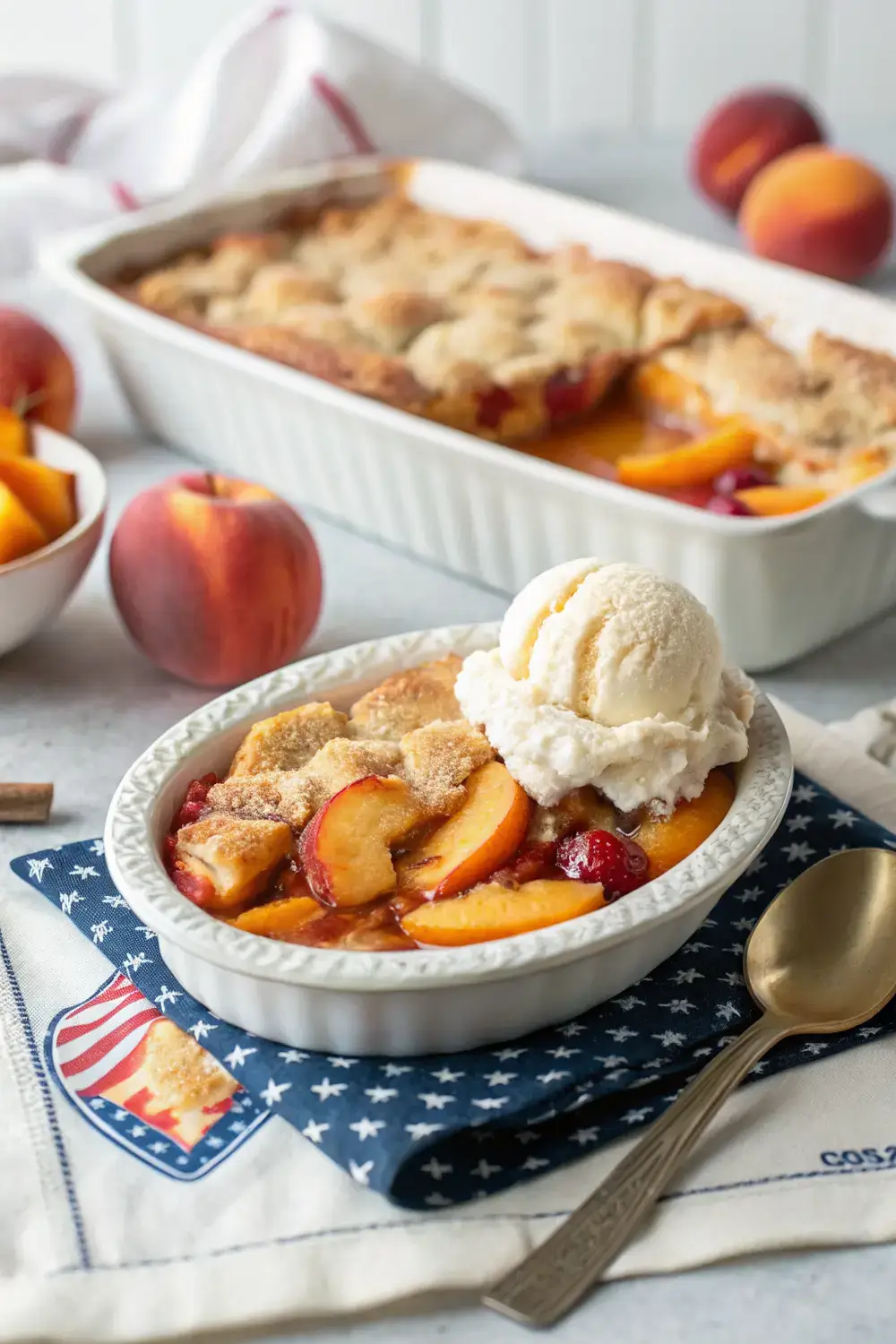
There is something truly magical about the essence of summer in the United States. It is the smell of charcoal grills, the sound of laughter echoing across backyard patios, and, most importantly, the taste of sun-ripened fruit. When I think of July festivities, my mind immediately drifts to a warm, bubbling dish of peach cobbler sitting right in the center of the table, surrounded by scoops of melting vanilla bean ice cream.
If you are looking for that one standout dessert to anchor your 4th of July spread, you have found it. This homemade peach cobbler isn’t just a dessert; it is a nostalgic experience. It captures that perfect balance between a jammy, syrupy fruit filling and a golden, biscuit-like crust that crumbles perfectly with every spoonful.
Whether you are hosting a massive family reunion, a neighborhood potluck, or a quiet backyard cookout with your closest friends, this recipe is designed to impress. It is beginner-friendly, requires simple pantry staples, and relies on the star of the show: fresh, juicy peaches.
Why This Is the Best Peach Cobbler You Will Ever Make
I have spent years testing different versions of this classic dessert. I have tried the cake-style batters, the deep-dish biscuit versions, and the shortcrust styles. What I have landed on is a hybrid that offers the best of both worlds. You get a luscious, thickened fruit layer that tastes like pure summer, topped with a buttery, slightly sweet crust that provides a satisfying textural contrast.
Unlike some recipes that can end up being too mushy or too dry, this version hits the “sweet spot.” The peaches remain intact enough to provide substance, but they break down enough to create a beautiful syrup that coats the crust. It is the kind of dish that makes people go silent for a moment after their first bite—only to immediately ask for the recipe.
The Importance of Choosing the Right Peaches
Before we dive into the ingredients, we need to talk about the most critical component: the peaches. Because this dessert celebrates the fruit, the quality of your peaches will directly impact the final flavor.
When shopping for your 4th of July feast, look for peaches that are fragrant. If you can smell that wonderful, floral aroma through the skin, you are on the right track. The fruit should give slightly to gentle pressure, much like a ripe avocado, but should not be mushy or bruised.
If you happen to be shopping out of season or if the local farmer’s market is running low, high-quality frozen peaches work in a pinch. Just be sure to thaw them completely and drain any excess liquid before beginning your preparation to ensure the cobbler doesn’t become too watery. However, nothing beats the magic of fresh, tree-ripened peaches during the height of summer.
Detailed Ingredient List and Explanations
To achieve that professional, bakery-quality finish at home, it is important to understand what each ingredient brings to the party. Here is everything you will need to gather.
The Fruit Filling
- Fresh Peaches (6 to 8 large): These are your foundation. You want enough to create a thick layer of fruit.
- Granulated Sugar: This sweetens the fruit and helps create the syrupy glaze.
- Lemon Juice: A splash of acidity is vital. It brightens the flavor of the peaches and prevents them from tasting overly cloying. It also helps maintain that beautiful orange hue.
- Cornstarch: This is your thickening agent. Without it, your cobbler would just be a bowl of peach soup. Cornstarch creates a glossy, thick sauce that clings to the fruit.
- Cinnamon: A warm spice that complements the sweetness of the peach without overpowering it.
The Buttery Crust
- All-Purpose Flour: The structure of your topping.
- Granulated Sugar: A little extra sugar in the crust helps with caramelization and creates those beautiful golden edges.
- Baking Powder: This provides the lift, ensuring your crust is light and tender rather than heavy and dense.
- Salt: A pinch of salt is non-negotiable. It balances the sugar and enhances the buttery notes.
- Unsalted Butter: Cold, cubed butter is the secret to a flaky crust. Using unsalted butter allows you to control the exact sodium content of your dessert.
- Whole Milk: This binds the dough together and adds a richness that makes the crust incredibly tender.
Step-by-Step Instructions for Perfection
Follow these steps closely, and you will have a masterpiece on your hands. Don’t worry if you aren’t a professional baker; I have broken this down so anyone can master it.
Step 1: Prepare the Peaches
Start by washing your peaches thoroughly. You can leave the skins on for extra color and a bit of texture, or you can peel them if you prefer a more refined, uniform look. To peel them easily, bring a pot of water to a boil, cut a small “X” in the bottom of each peach, and drop them in for 30 seconds. Immediately move them to a bowl of ice water, and the skins will slip right off.
Slice the peaches into even wedges—about half-inch thick is ideal. Place the slices into a large mixing bowl and toss them with the granulated sugar, lemon juice, cornstarch, and cinnamon. Let this mixture sit for about 10 minutes while you prepare the crust. This allows the sugar to draw out the juices and the cornstarch to begin its work.
Step 2: Mix the Dry Crust Ingredients
In a medium-sized mixing bowl, whisk together your flour, sugar, baking powder, and salt. Whisking isn’t just about mixing; it also aerates the flour, which helps contribute to a lighter crust.
Step 3: Incorporate the Cold Butter
This is the most important part for texture. Take your cold, cubed unsalted butter and add it to the flour mixture. Using a pastry cutter or two forks (or even your fingertips, if you are quick!), work the butter into the flour.
You are looking for “pea-sized” lumps of butter. Do not overmix! You do not want a smooth dough at this stage; you want visible bits of butter. These tiny pockets of fat will melt in the oven, creating steam and resulting in those delicious, flaky layers.
Step 4: Bind with Milk
Make a well in the center of your flour and butter mixture and pour in the milk. Use a spatula to fold the mixture together gently until just combined. It is perfectly okay if it looks a little shaggy or uneven. Overworking the dough develops gluten, which will make your crust tough rather than tender.
Step 5: Assemble the Cobbler
Preheat your oven to 375°F (190°C). Grease a 9×13 inch baking dish (or a large cast-iron skillet for a rustic look) with a little bit of butter.
Pour the peach mixture, including all those delicious juices from the bottom of the bowl, into the prepared dish. Spread them out evenly. Now, take your dough and drop spoonfuls of it over the top of the peaches. You can cover the fruit completely for a “cake-like” top, or leave gaps between the dollops for a more traditional “cobbled” appearance where the fruit peeks through.
Step 6: The Final Touch and Baking
For an extra golden finish, I recommend lightly brushing the top of the dough with a little extra milk or melted butter and sprinkling a tiny bit of coarse sugar on top.
Place the dish in the center of the oven and bake for 40 to 45 minutes. You will know it is done when the fruit juices are bubbling vigorously around the edges and the crust has turned a stunning deep golden brown.
Cooking Variations and Tasty Substitutions
One of the joys of home cooking is making a recipe your own. Here are a few ways you can tweak this cobbler to suit your preferences.
Fruit Variations
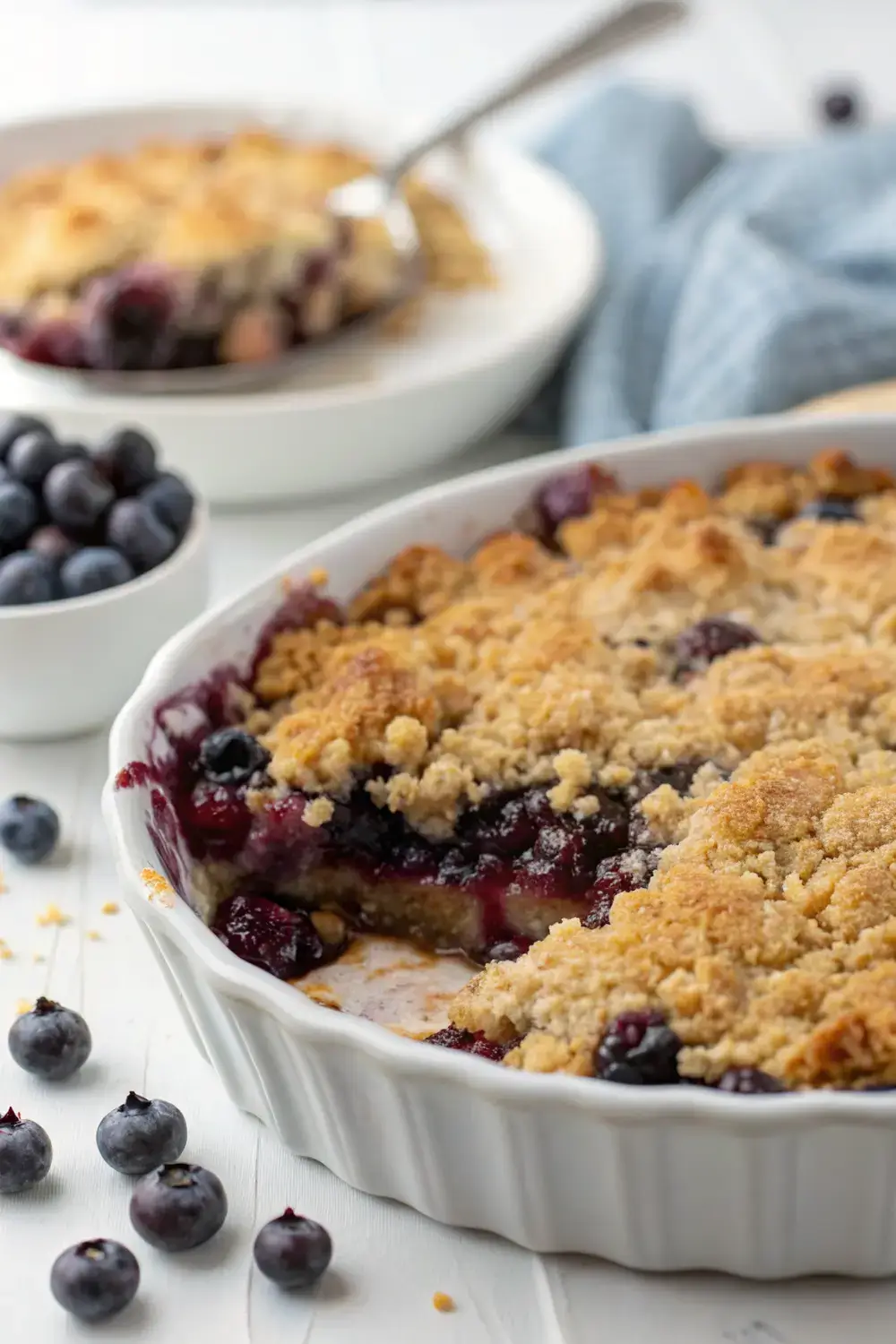
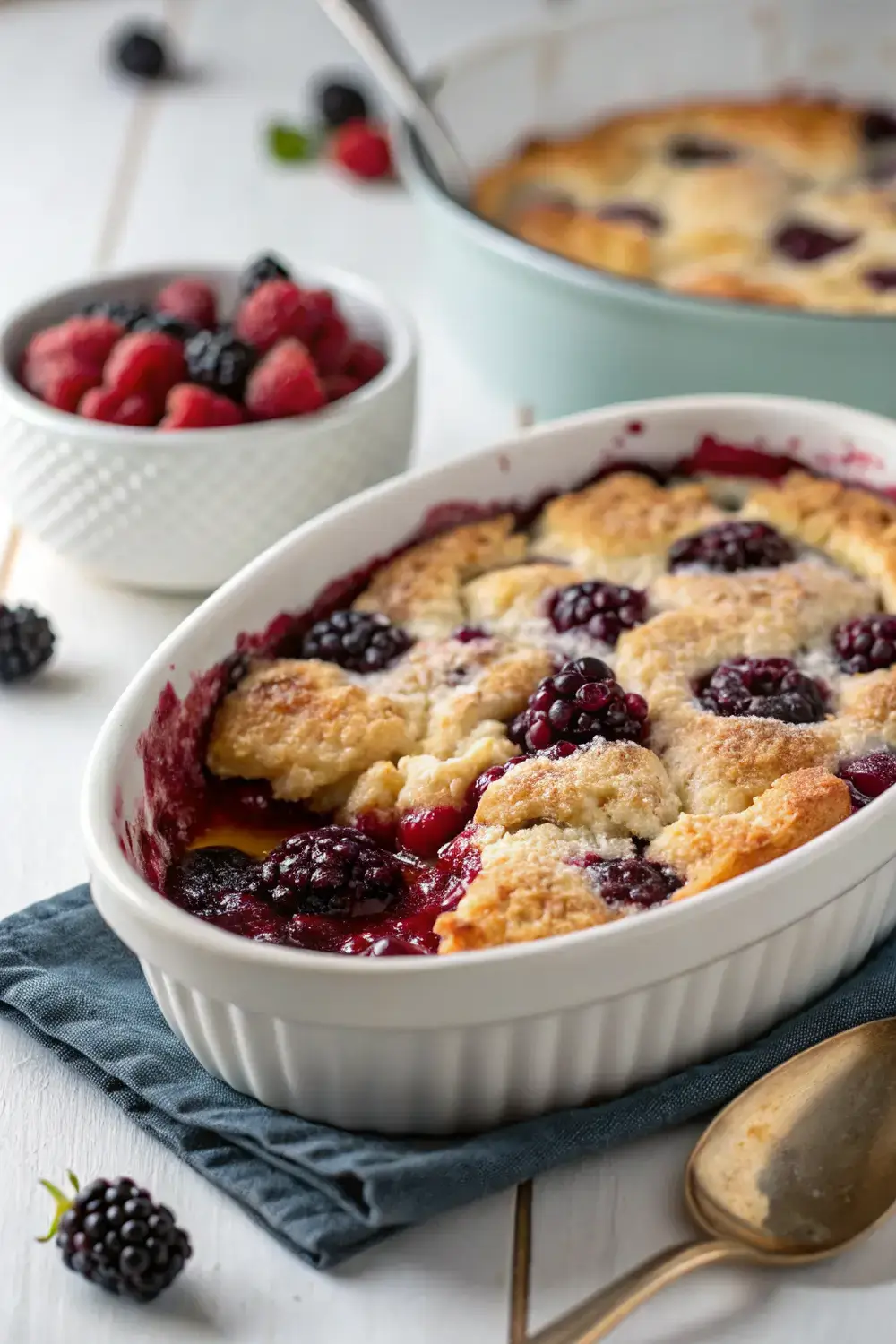
While peach is the star, summer is a bounty of fruit. You can swap the peaches for blackberries, blueberries, or even a mix of both. If you use berries, you may need to slightly increase the cornstarch, as berries tend to release more liquid than peaches.
Nutty Additions
If you love a bit of crunch, sprinkle some toasted pecans or sliced almonds over the top of the crust before baking. The nuttiness pairs beautifully with the sweetness of the fruit.
Spice Swaps
If cinnamon isn’t your favorite, try using ginger or cardamom. Cardamom, in particular, adds a sophisticated, floral note that makes the cobbler feel like something from a high-end bistro.
Gluten-Free Options
For my friends with gluten sensitivities, you can substitute the all-purpose flour with a high-quality 1-to-1 gluten-free flour blend that contains xanthan gum. The texture may vary slightly, but it will still be delicious.
Expert Tips for Success
- Keep it Cold: The secret to a flaky crust is cold butter. If you feel your kitchen is too warm and the butter is starting to soften, pop the bowl in the fridge for 10 minutes before adding the milk.
- Don’t Over-Stir: When mixing the dough, stop the moment the flour is moistened.
- The Bubbling Test: Don’t pull the cobbler out just because the crust looks brown. Wait until you see the fruit juices bubbling. That bubbling is a sign that the cornstarch has reached the necessary temperature to thicken the sauce.
- Let it Rest: This is the hardest part. Allow the cobbler to sit for at least 15 minutes after taking it out of the oven. This allows the juices to set so they aren’t too runny when you serve it.
Common Mistakes to Avoid
Even seasoned cooks can run into trouble. Here is what to watch out for:
1. Using Melted Butter: If you use melted butter instead of cold, cubed butter, you will lose the flaky texture. You will end up with something more like a dense cookie crust rather than a tender biscuit topping.
2. Ignoring the Juices: When pouring the peaches into the pan, make sure you scrape every bit of that syrup from the bowl. That syrup is where all the flavor lives!
3. Using Too Much Flour: If you add too much flour to the dough, the topping will be dry and bready. Trust the measurements and aim for a shaggy consistency.
4. Underbaking: If the fruit isn’t bubbling, the starch hasn’t activated. This leads to a “soupy” cobbler.
Storage and Reheating Tips
If you happen to have leftovers (though with this recipe, that is unlikely!), here is how to handle them.
Refrigeration
Store any leftover cobbler in an airtight container in the refrigerator for up to 3 to 4 days. The crust will soften slightly due to the moisture from the peaches, but it will still be tasty.
Reheating
To restore that “just baked” magic, avoid the microwave if possible, as it can make the crust gummy. Instead, place a portion in a small oven-safe dish and heat it in a 350°F oven for about 10-15 minutes. This helps crisp the edges back up.
Freezing
You can freeze the assembled, unbaked cobbler for up to 2 months. Wrap the dish tightly in plastic wrap and then aluminum foil. When you are ready to eat, thaw it in the fridge overnight and then bake according to the standard instructions, adding an extra 5-10 minutes to the bake time if needed.
Frequently Asked Questions
Can I use canned peaches instead of fresh?
Yes, you can use canned peaches in a pinch. However, if you do, drain them very well and reduce the amount of added sugar in the recipe, as canned peaches are often packed in heavy syrup.
Why is my cobbler topping hard instead of tender?
A hard topping usually means the dough was overworked, which developed too much gluten, or there wasn’t enough moisture/fat in the dough. Be sure to use cold butter and stop mixing as soon as the flour is combined.
Can I make this in a slow cooker?
While you can make fruit desserts in a slow cooker, the texture of the crust will be very different. It will be more “steamed” and pudding-like rather than baked and crispy. For this specific recipe, I highly recommend the oven.
Do I have to peel the peaches?
Not at all! Leaving the skins on adds a lovely rustic look and extra nutrients. It is entirely a matter of personal preference.
What should I serve with peach cobbler?
The classic choice is a large scoop of vanilla bean ice cream. However, it is also incredible with lightly sweetened whipped cream or even a dollop of Greek yogurt for a bit of tanginess.
How do I prevent the fruit from being too watery?
Ensure you use the correct amount of cornstarch and let the peaches sit with the sugar and starch for a few minutes before baking. This allows the thickener to start working before it hits the heat.
A Sweet Conclusion to Your Summer Celebration
There is something deeply satisfying about sharing a warm, homemade dessert with the people you love. This Peach Cobbler is more than just a recipe; it is a way to celebrate the abundance of summer and the joy of being together. Whether it is the golden sunlight of a 4th of July afternoon or a cozy summer evening on the porch, this dish is guaranteed to bring a smile to everyone’s face.
So, grab your freshest peaches, preheat your oven, and get ready to create a dessert that will become a cherished tradition in your home. Happy baking, and enjoy every delicious, buttery, peach-filled bite!