Introduction
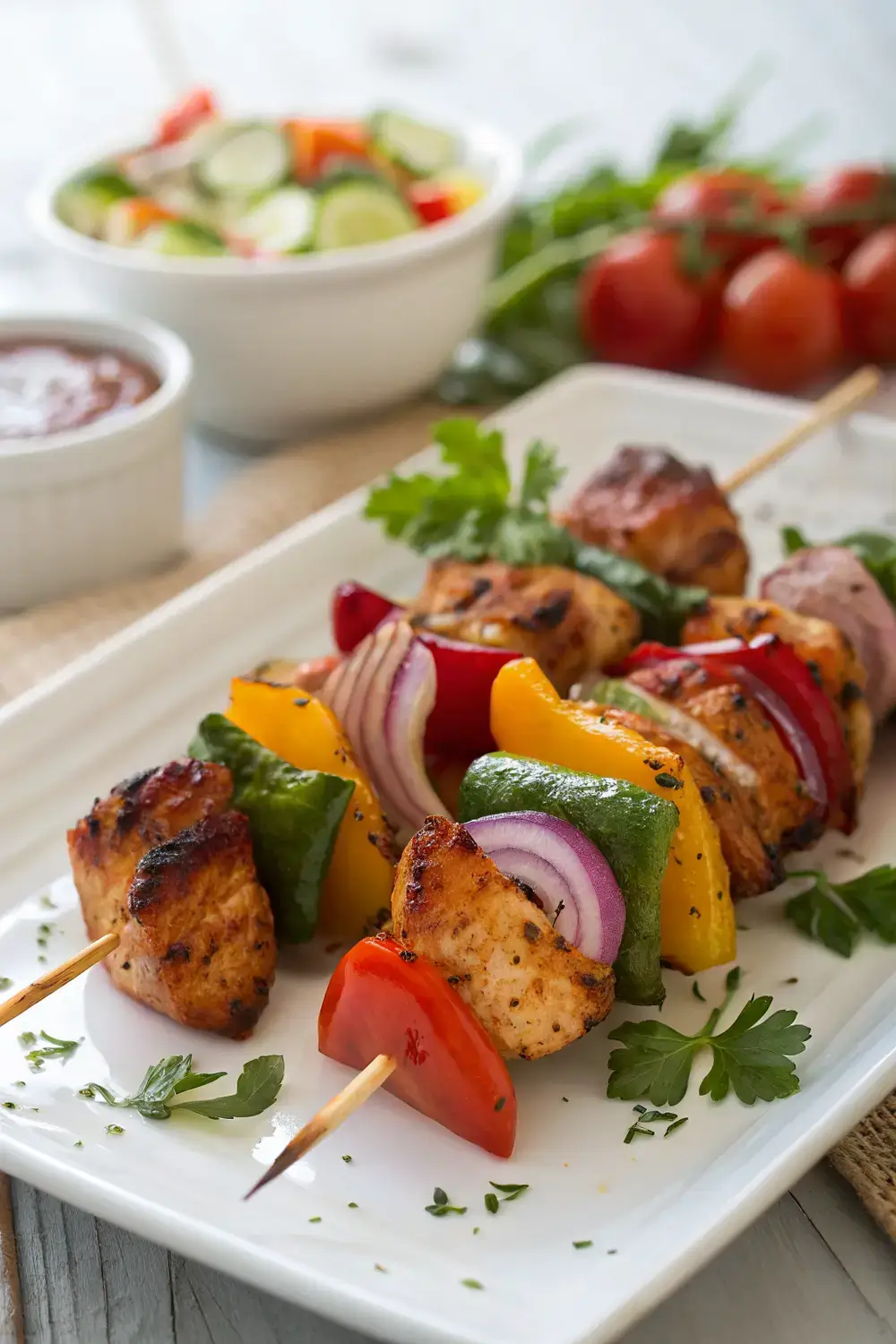
Summer is here, and there’s nothing quite like the sizzle of meat on the grill, the smoky aroma filling the air, and the laughter of loved ones gathered around. As the temperatures rise, so does our desire for simple yet delicious meals that bring everyone together. Today, I’m sharing with you a recipe that has become a staple in my summer entertaining repertoire: BBQ Chicken Skewers with Fresh Vegetables. These skewers are more than just a meal—they’re an experience that captures the essence of summer grilling at its finest.
What makes these BBQ chicken skewers so special? It’s the perfect combination of tender, juicy chicken marinated in a rich, flavorful BBQ sauce, complemented by crisp, colorful vegetables that char beautifully on the grill. The skewers are easy to prepare, making them perfect for busy weeknights or relaxed weekend gatherings. Plus, they’re incredibly versatile, allowing you to customize based on your preferences and what’s fresh at the market.
In this comprehensive guide, I’ll walk you through every step of creating these mouthwatering skewers, from selecting the best ingredients to achieving that perfect char on the grill. Whether you’re a seasoned grill master or a beginner looking to impress your family and friends, this recipe will give you the confidence and knowledge to create a summer meal that’s sure to become a favorite. Let’s fire up those grills and get ready to savor the taste of summer!
About BBQ Chicken Skewers
Skewers have been a grilling favorite for centuries, with origins tracing back to ancient cooking methods where food was threaded onto sticks and cooked over open fires. Today, skewers remain a popular grilling option for several reasons. They’re easy to handle, allow for even cooking, and provide endless opportunities for creativity in ingredient combinations.
BBQ chicken skewers, in particular, have become a summer staple across America. They offer the perfect balance of protein and vegetables, making them a well-rounded meal. The beauty of skewers lies in their versatility—you can customize them based on seasonal produce, dietary preferences, or simply what you have on hand.
What sets these BBQ chicken skewers apart is the marinade. Unlike many recipes that simply brush BBQ sauce on before grilling, our method involves marinating the chicken in a flavorful mixture that penetrates the meat, ensuring every bite is juicy and packed with taste. The marinade combines the sweetness of brown sugar with the tanginess of apple cider vinegar, balanced by smoky paprika and aromatic garlic and onion powders. This creates a depth of flavor that store-bought BBQ sauce simply can’t match.
Additionally, the vegetable selection is carefully chosen not just for color and variety but for their complementary cooking times. By alternating protein and vegetables on each skewer, we ensure everything cooks to perfection, with no overcooked chicken or undercooked veggies. The result? A visually stunning, delicious, and nutritionally balanced meal that’s as fun to make as it is to eat.
Ingredients
Creating exceptional BBQ chicken skewers starts with quality ingredients. Here’s what you’ll need for this recipe, along with explanations for why each component is important:
For the Chicken:
– 2 lbs boneless, skinless chicken breasts or thighs: Chicken breasts are lean and cook quickly, while thighs are more forgiving and stay juicier. I prefer thighs for skewers as they’re less likely to dry out. Ensure they’re fresh, with no off odors, and at refrigerator temperature before marinating.
– 1/4 cup olive oil: Extra virgin olive oil helps keep the chicken moist and carries the flavors of the marinade. It also prevents the chicken from sticking to the grill grates.
– 1/4 cup apple cider vinegar: The acidity in apple cider vinegar tenderizes the chicken and balances the sweetness in the marinade. It also helps carry the aromatic flavors deep into the meat.
– 2 tablespoons Worcestershire sauce: This adds a complex umami flavor with hints of anchovies, garlic, and tamarind. Make sure to check the label to ensure it’s compliant with your dietary restrictions.
– 2 tablespoons brown sugar: Light brown sugar adds caramelization and a subtle sweetness that complements the smoky BBQ flavors. It also helps create a beautiful glaze on the chicken as it grills.
– 1 tablespoon smoked paprika: This is the secret to achieving that authentic smoky flavor without using liquid smoke. Hungarian paprika works best for its robust, smoky character.
– 1 teaspoon garlic powder: Garlic powder provides a consistent garlic flavor throughout the marinade, unlike fresh garlic which can sometimes burn on the grill.
– 1 teaspoon onion powder: Similar to garlic powder, onion powder delivers a consistent onion flavor that won’t char on the grill.
– 1 teaspoon salt: Essential for enhancing all the flavors in the marinade. Kosher salt is preferred as it dissolves easily and has a pure flavor.
– 1/2 teaspoon black pepper: Adds a subtle heat and depth to the marinade, balancing the sweetness and smokiness.
For the Vegetables:
– 1 large red bell pepper: Cut into 1-inch pieces. Red bell peppers add sweetness and color that intensifies when grilled.
– 1 large yellow bell pepper: Cut into 1-inch pieces. Yellow peppers offer a slightly different flavor profile and add visual variety.
– 1 large zucchini: Cut into 1-inch thick rounds. Zucchini becomes tender with a slight char, adding a mild, fresh element.
– 1 large yellow squash: Cut into 1-inch thick rounds. Similar to zucchini but with a slightly sweeter flavor.
– 1 red onion: Cut into 1-inch pieces. Red onion becomes sweet and caramelized when grilled, providing a nice contrast to the chicken.
– 8 oz fresh mushrooms, cremini or button: Wiped clean and left whole or halved if large. Mushrooms absorb the marinade beautifully and develop a meaty texture when grilled.
– 1 cup cherry tomatoes: Left whole. These burst with flavor when grilled and add a juicy pop to the skewers.
For Serving:
– Fresh herbs for garnish: Parsley or cilantro adds a fresh finish. Choose based on your preference—cilantro offers a citrusy note, while parsley provides a milder, fresh flavor.
– Lemon or lime wedges: For squeezing over the skewers just before serving. The acidity brightens all the flavors and adds a refreshing finish.
– Extra BBQ sauce for serving: A side of additional BBQ sauce allows guests to adjust the sweetness and smokiness to their liking.
Equipment:
– Wooden or metal skewers: If using wooden skewers, soak them in water for at least 30 minutes before threading to prevent burning. Metal skewers can be used without soaking.
– Large mixing bowls: For marinating the chicken and vegetables separately.
– Whisk: For thoroughly combining the marinade ingredients.
– Basting brush: For applying extra BBQ sauce during grilling.
– Tongs: For safely handling the skewers on the grill.
– Meat thermometer: For ensuring the chicken reaches the proper internal temperature.
– Grill: Charcoal, gas, or electric will all work for this recipe.
Now that we have all our ingredients ready, let’s move on to preparing and assembling these delicious BBQ chicken skewers.
Preparation
Proper preparation is key to creating perfect BBQ chicken skewers. Follow these steps to ensure your ingredients are ready for grilling:
Step 1: Prepare the Chicken
1. Start by trimming the chicken of any excess fat or sinew. Pat the chicken dry with paper towels—this helps the marinade adhere better.
2. Cut the chicken into uniform 1.5-inch cubes. Consistent sizing ensures even cooking. If using chicken breasts, cut them against the grain for tenderness.
3. Place the chicken cubes in a large mixing bowl.
Step 2: Prepare the Marinade
1. In a separate bowl, whisk together the olive oil, apple cider vinegar, Worcestershire sauce, brown sugar, smoked paprika, garlic powder, onion powder, salt, and black pepper until well combined.
2. Pour the marinade over the chicken cubes, making sure each piece is thoroughly coated.
3. Cover the bowl with plastic wrap or transfer to a sealed container and refrigerate for at least 2 hours, or preferably overnight. For best results, marinate for 8-12 hours to allow the flavors to penetrate deeply into the chicken.
Step 3: Prepare the Vegetables
1. While the chicken is marinating, prepare the vegetables. Wash and dry all vegetables thoroughly.
2. Cut the bell peppers into 1-inch pieces. Remove the seeds and membranes first.
3. Cut the zucchini and yellow squash into 1-inch thick rounds.
4. Cut the red onion into 1-inch pieces, separating the layers.
5. Wipe the mushrooms clean with a damp paper towel. If they’re large, cut them in half; leave small mushrooms whole.
6. Leave the cherry tomatoes whole.
Step 4: Assemble the Skewers
1. If using wooden skewers, soak them in water for at least 30 minutes to prevent burning during grilling.
2. Remove the chicken from the marinade, allowing excess to drip off. Reserve the marinade for later use.
3. Thread the chicken and vegetables onto the skewers in an alternating pattern. A good approach is to start with a piece of chicken, then add a vegetable, another piece of chicken, and so on. This ensures even distribution of flavors and colors.
4. Leave a small space between each piece to allow for proper heat circulation and even cooking.
5. Place the assembled skewers on a baking sheet or tray. If there’s any leftover marinade, you can brush it lightly over the vegetables (not the chicken, as it may contain bacteria from the raw chicken).
Step 5: Prepare the Grill
1. Preheat your grill to medium-high heat (about 375-400°F or 190-200°C). If using charcoal, allow the coals to become ash-covered.
2. Clean the grill grates thoroughly with a grill brush to remove any residue from previous cooking.
3. Lightly oil the grates by folding a paper towel, dipping it in oil, and using tongs to wipe it over the grates. This prevents sticking.
Now that everything is prepared, it’s time to grill the skewers to perfection. The next section will guide you through the cooking process, including timing, techniques, and how to tell when your skewers are done.
Cooking Instructions
Grilling is both an art and a science, and with these BBQ chicken skewers, we’ll focus on achieving the perfect balance of char, tenderness, and flavor. Follow these detailed instructions for grilling success:
Step 1: Initial Grilling
1. Place the skewers on the preheated grill. Arrange them in a single layer with space between each skewer for even heat circulation.
2. Grill for 4-5 minutes per side, without moving them, to allow for good grill marks to form.
3. After the first side has grilled, use tongs to turn the skewers. If you notice any flare-ups from the marinade sugar, move the skewers temporarily to a cooler part of the grill until the flames subside.
Step 2: Applying BBQ Sauce
1. During the last 2-3 minutes of grilling, brush the skewers lightly with additional BBQ sauce. Avoid applying sauce too early, as the sugar content can burn before the chicken is fully cooked.
2. Continue grilling until the chicken reaches an internal temperature of 165°F (74°C) when tested with a meat thermometer. This ensures the chicken is safe to eat while remaining juicy.
Step 3: Resting the Skewers
1. Once cooked, remove the skewers from the grill and transfer them to a clean platter or cutting board.
2. Let them rest for 5-10 minutes before serving. This allows the juices to redistribute throughout the meat, ensuring every bite is moist and flavorful.
3. During this time, you can prepare any sides or garnishes.
Step 4: Final Touches
1. Just before serving, garnish the skewers with fresh herbs—chopped parsley or cilantro works beautifully.
2. Serve with lemon or lime wedges on the side for a burst of freshness that complements the smoky flavors.
3. Offer additional BBQ sauce on the side for those who prefer a saucier bite.
Step 5: Serving Suggestions
– These skewers pair wonderfully with classic BBQ sides like coleslaw, potato salad, or grilled corn on the cob.
– For a lighter option, serve over a bed of quinoa or couscous with a fresh cucumber and tomato salad.
– They’re also perfect wrapped in warm tortillas with avocado and a dollop of Greek yogurt for a taco-style presentation.
Pro Tips for Perfect Grilling:
– Don’t press down on the skewers while they’re cooking, as this releases precious juices and can cause flare-ups.
– If you’re cooking a large batch, keep the cooked skewers warm on a rack in a low-temperature oven (around 200°F or 95°C) while you finish grilling the rest.
– The vegetables should be tender but still have a slight bite—overcooked vegetables can become mushy and lose their flavor.
– If you’re using a gas grill, consider turning off one or two burners to create a cooler zone for moving skewers if flare-ups occur.
With these instructions, you’ll have perfectly grilled BBQ chicken skewers with vibrant, flavorful vegetables that are sure to impress your family and friends. The next section will explore variations and substitutions to help you customize this recipe to your preferences and what’s available in your kitchen.
Variations and Substitutions
One of the wonderful aspects of BBQ chicken skewers is their versatility. This recipe serves as a foundation that you can adapt based on your preferences, dietary needs, or what ingredients you have on hand. Here are some variations and substitutions to consider:
Protein Alternatives:
– Chicken Thighs: While the recipe calls for boneless, skinless chicken breasts or thighs, thighs are often preferred for skewers as they’re more forgiving and stay juicier.
– Turkey Breast: For a leaner alternative, use turkey breast cut into similar-sized cubes. Turkey works well with the marinade but cooks slightly faster, so monitor closely.
– Shrimp or Scallops: For a seafood twist, marinate shrimp or scallops in the same marinade (reduce marinating time to 30 minutes for shrimp to prevent them from becoming tough). Add them to the skewers during the last 5-10 minutes of grilling.
– Tofu or Tempeh: For a vegetarian option, use extra-firm tofu or tempeh. Press tofu to remove excess water, then cut into cubes and marinate for at least 2 hours. Tofu can be grilled alongside the vegetables but may require a bit more oil to prevent sticking.
Vegetable Variations:
– Seasonal Veggies: Summer offers endless possibilities for vegetables. Consider adding eggplant, asparagus, or cherry tomatoes for variety. Fall might include butternut squash or Brussels sprouts (these may require pre-cooking).
– Mushroom Varieties: While cremini or button mushrooms work well, try shiitake, oyster, or portobello mushrooms for different textures and flavors.
– Zucchini Alternatives: Replace zucchini with summer squash, eggplant, or even pineapple chunks for a sweet twist that complements the BBQ flavor.
– Colorful Peppers: Besides red and yellow bell peppers, try orange or green bell peppers for a rainbow effect on the skewers.
Marinade Variations:
– Spicy Kick: Add 1-2 teaspoons of cayenne pepper or red pepper flakes to the marinade for some heat.
– Citrus Twist: Replace the apple cider vinegar with fresh lime juice for a brighter, more citrusy flavor.
– Herb Infusion: Add 2 tablespoons of fresh chopped herbs like rosemary or thyme to the marinade for additional aromatic complexity.
– Sweet and Tangy: Increase the brown sugar to 3 tablespoons and add 1 tablespoon of honey for a sweeter profile balanced with extra vinegar.
Serving Suggestions:
– BBQ Chicken Skewers Bowls: Serve the grilled chicken and vegetables over a bed of quinoa or rice with a drizzle of extra BBQ sauce and a dollop of Greek yogurt.
– Skewer Wraps: Warm flour tortillas and fill with chopped skewer ingredients, shredded lettuce, diced avocado, and a drizzle of ranch or BBQ sauce.
– Skewer Salad: Toss the grilled chicken and vegetables with mixed greens, cherry tomatoes, cucumbers, and a light vinaigrette for a refreshing main salad.
– Skewer Pasta: Toss the grilled chicken and vegetables with cooked pasta, cherry tomatoes, fresh basil, and a light olive oil and garlic sauce.
Dietary Accommodations:
– Gluten-Free: Ensure your Worcestershire sauce is gluten-free (some brands contain wheat), or substitute with tamari or coconut aminos.
– Dairy-Free: This recipe is naturally dairy-free, but if serving with sides, ensure they’re also dairy-free if needed.
– Low-Sugar: Reduce the brown sugar to 1 tablespoon and use a sugar-free BBQ sauce for the basting.
– Whole30: Omit the brown sugar and use compliant BBQ sauce, or create a marinade with compliant ingredients like coconut aminos, lime juice, and garlic powder.
Cooking Method Alternatives:
– Oven Method: If grilling isn’t an option, you can bake the skewers. Preheat oven to 425°F (220°C). Place skewers on a parchment-lined baking sheet and bake for 15-20 minutes, turning halfway through, until chicken is cooked through.
– Stovetop Method: Use a grill pan or cast-iron skillet over medium-high heat. Cook skewers for 4-5 minutes per side, pressing gently with a spatula to ensure good contact with the pan.
– Air Fryer Method: Preheat air fryer to 400°F (200°C). Place skewers in a single layer (you may need to work in batches) and cook for 8-10 minutes, turning halfway through.
These variations allow you to customize the recipe to suit different tastes, occasions, or dietary needs. Whether you’re feeding a crowd with diverse preferences or adapting to what’s available in your kitchen, these BBQ chicken skewers can be transformed to create a memorable meal. Now let’s discuss how to properly store and reheat any leftovers to maintain their delicious flavors and textures.
Storage and Reheating
Leftover BBQ chicken skewers can be just as delicious as when first prepared if stored and reheated properly. Here’s how to maintain their quality for later enjoyment:
Short-Term Storage (Refrigerator):
1. Allow the skewers to cool to room temperature before storing. This prevents condensation from making the chicken soggy.
2. Remove the skewers from the grill and let them cool on a wire rack for about 30 minutes.
3. Once cooled, transfer the skewers to an airtight container. If you have space, you can store them whole; otherwise, you may need to remove the meat and vegetables from the skewers.
4. Store in the refrigerator for up to 3-4 days. The chicken will continue to marinate in the residual flavors, which can enhance the taste over the first day or two.
Freezing:
1. For longer storage, you can freeze the BBQ chicken skewers. Allow them to cool completely before freezing.
2. Flash-freeze the skewers by placing them in a single layer on a baking sheet and freezing for 1-2 hours until solid.
3. Transfer the frozen skewers to a freezer-safe bag or container, removing as much air as possible to prevent freezer burn.
4. Label with the date and store for up to 3 months for best quality.
5. When ready to use, thaw in the refrigerator overnight before reheating.
Reheating Methods:
– Oven Method: Preheat oven to 350°F (175°C). Place skewers on a baking sheet lined with parchment paper. Cover loosely with aluminum foil and heat for 10-15 minutes, or until warmed through. For a crisper texture, remove the foil for the last 5 minutes.
– Stovetop Method: Heat a skillet over medium-low heat. Add a small amount of oil or water to prevent sticking. Place skewers in the skillet and heat for 3-4 minutes per side, until warmed through.
– Microwave Method: Transfer the skewers to a microwave-safe plate. Cover with a damp paper towel to prevent drying out. Microwave on medium power for 1-2 minutes, checking and rotating as needed. Note: This method may not reheat as evenly as other methods and could make the chicken slightly rubbery.
Tips for Maintaining Quality:
– Don’t Overheat: Reheat only until the chicken is warmed through. Overheating can make the chicken dry and the vegetables mushy.
– Add Moisture: If the chicken seems dry after reheating, brush lightly with additional BBQ sauce or a little olive oil.
– Refresh Vegetables: If the vegetables have lost their crispness, you can quickly reheat them alongside the chicken or add fresh vegetables to the skewers during the final minutes of reheating.
– Serve with Fresh Garnishes: Add fresh herbs and a squeeze of lemon or lime juice just before serving to brighten up the flavors of reheated skewers.
Repurposing Leftovers:
– Salads: Chop the chicken and vegetables and toss with mixed greens, cherry tomatoes, cucumbers, and your favorite vinaigrette.
– Tacos or Wraps: Use the leftover chicken and vegetables as a filling for tortillas, topped with avocado, salsa, and a drizzle of ranch or Greek yogurt.
– Pasta Bowls: Toss with cooked pasta, a light cream sauce or olive oil-based sauce, and some grated Parmesan cheese.
– Pizza Topping: Use as a topping for a flatbread or pizza base, adding cheese and baking until bubbly.
By following these storage and reheating guidelines, you can enjoy your BBQ chicken skewers for days after they’re first made, reducing food waste while still savoring their delicious flavors. Proper storage not only maintains the quality but can sometimes even enhance the flavors as the ingredients continue to meld together.
Common Mistakes to Avoid
Even experienced cooks can make mistakes when preparing BBQ chicken skewers. Here are some common pitfalls and how to avoid them to ensure your skewers turn out perfectly every time:
Mistake 1: Over-Marinating the Chicken
Problem: While marinating is essential for flavor, too much time can actually make the chicken texture mushy, especially if using an acidic marinade for extended periods.
Solution: Limit marinating time to 8-12 hours maximum. For chicken, which is relatively delicate, longer marination doesn’t necessarily mean better flavor. If you’re short on time, even 30 minutes of marinating will provide some benefit, though overnight is ideal for deep flavor penetration.
Mistake 2: Under-Seasoning the Marinade
Problem: BBQ chicken skewers can sometimes fall flat in the flavor department because the marinade isn’t seasoned adequately.
Solution: Taste your marinade before adding it to the chicken. It should be boldly flavored since the grilling process will mellow some of the flavors. Remember that you’re seasoning raw chicken, so the marinade should taste slightly stronger than you might expect.
Mistake 3: Improper Grill Temperature
Problem: Grilling at too high a temperature can cause the outside of the chicken to burn before the inside is cooked through. Too low, and you’ll end up with steamed chicken instead of grilled.
Solution: Preheat your grill to medium-high heat (375-400°F or 190-200°C). This temperature range allows for good searing and grill marks without burning the exterior before the interior is done. If you’re using a charcoal grill, make sure the coals are fully ash-covered before adding the skewers.
Mistake 4: Inconsistent Cutting of Ingredients
Problem: Cutting the chicken and vegetables into uneven sizes leads to inconsistent cooking, with some pieces overdone while others remain undercooked.
Solution: Take your time to cut the chicken into uniform 1.5-inch cubes and cut vegetables into similar-sized pieces. This ensures everything cooks at roughly the same rate. For vegetables with different cooking times (like mushrooms versus bell peppers), consider pre-cooking those that take longer before adding to the skewers.
Mistake 5: Not Preheating the Grill
Problem: Adding skewers to a cold grill results in steaming rather than grilling, producing chicken that’s gray and rubbery instead of nicely charred and flavorful.
Solution: Always preheat your grill for at least 10-15 minutes before cooking. This ensures the grates are hot enough to create a proper sear and those desirable grill marks. For charcoal grills, allow the coals to become fully ash-covered, which typically takes 20-30 minutes.
Mistake 6: Moving Skewers Too Frequently
Problem: Constantly turning or moving the skewers prevents proper grill marks from forming and can disrupt the cooking process.
Solution: Place the skewers on the grill and leave them undisturbed for 4-5 minutes per side to allow for good searing and grill marks. Only turn them when it’s time to cook the other side. Use tongs rather than a fork to turn them, as piercing the chicken can cause juices to escape.
Mistake 7: Brushing BBQ Sauce Too Early
Problem: Applying BBQ sauce at the beginning of grilling can cause it to burn due to its high sugar content, resulting in a bitter taste.
Solution: Wait until the last 2-3 minutes of grilling before applying BBQ sauce. This allows the sauce to caramelize nicely without burning. For a sweeter, more glazed finish, you can apply a second layer during the final minute.
Mistake 8: Not Using a Meat Thermometer
Problem: Relying solely on visual cues like color or cooking time can lead to undercooked or overcooked chicken.
Solution: Always use a meat thermometer to check the internal temperature of the chicken. It should reach 165°F (74°C) in the thickest part to ensure it’s safe to eat. Insert the thermometer into the thickest part of a chicken piece, avoiding bones if present.
Mistake 9: Crowding the Grill
Problem: Overloading the grill with too many skewers at once causes the temperature to drop and results in steamed rather than grilled food.
Solution: Grill in batches if necessary, allowing space between skewers for proper air circulation. If using a gas grill, you can create a cooler zone by turning off one or two burners to move skewers if needed. For charcoal, arrange skewers around the edges of the grill, leaving the center hotter for searing.
Mistake 10: Skipping the Resting Period
Problem: Cutting into the chicken immediately after grilling causes the juices to escape, resulting in drier meat.
Solution: Let the skewers rest for 5-10 minutes before serving. This allows the juices to redistribute throughout the meat, ensuring each bite is moist and flavorful. Cover loosely with foil during resting to retain heat.
By avoiding these common mistakes, you’ll be well on your way to creating perfectly grilled BBQ chicken skewers with vibrant, flavorful vegetables that will impress your family and friends. Now, let’s address some frequently asked questions about this recipe to ensure your grilling success.
FAQs
Here are answers to some common questions about making BBQ chicken skewers:
Q1: Can I use frozen chicken for this recipe?
A: While it’s best to use fresh chicken for optimal texture and flavor, you can use frozen chicken if needed. Make sure to thaw it completely in the refrigerator overnight before marinating. Never thaw chicken at room temperature, as this can promote bacterial growth. Also, ensure the chicken is patted dry before marinating to help the flavors adhere properly.
Q2: How do I prevent the vegetables from falling off the skewers?
A: There are several techniques to keep vegetables securely on skewers. First, make sure to cut ingredients into uniform sizes that match the gaps between other items. Second, thread items tightly together without overcrowding. For round items like cherry tomatoes or mushrooms, you can thread them through the middle rather than piercing them entirely. If using wooden skewers, soaking them for at least 30 minutes helps prevent them from burning and becoming brittle.
Q3: Can I make this recipe on a grill pan instead of an outdoor grill?
A: Absolutely! A grill pan is an excellent alternative when outdoor grilling isn’t possible. Use a heavy-bottomed pan like cast iron for best heat retention. Preheat the grill pan over medium-high heat until very hot before adding the skewers. Cook for 4-5 minutes per side, pressing gently with a spatula to ensure good contact with the pan. The results won’t be quite the same as outdoor grilling, but you’ll still get nice grill marks and flavors.
Q4: How long should I marinate the chicken for best results?
A: For optimal flavor penetration, marinate the chicken for at least 2 hours, but overnight (8-12 hours) is ideal. The acid in the marinade begins to break down the proteins after about 4-6 hours, so longer marination isn’t necessarily better. If you’re short on time, even 30 minutes of marinating will provide some benefit, though the flavor won’t be as deeply infused.
Q5: Can I prepare the skewers ahead of time?
A: Yes, you can prepare the skewers a day in advance. Assemble the skewers after marinating the chicken, then store them covered in the refrigerator. This is actually beneficial as it allows the flavors to meld together. When ready to cook, remove them from the refrigerator about 30 minutes before grilling to bring them closer to room temperature for more even cooking.
Q6: What’s the best way to tell when the chicken is fully cooked?
A: The most reliable method is using a meat thermometer. Insert it into the thickest part of a chicken piece, ensuring it doesn’t touch bone if present. The chicken is done when it reaches an internal temperature of 165°F (74°C). Visual cues can also help: the chicken should be opaque all the way through with no pink remaining, and the juices should run clear when pierced with a fork. However, these visual methods are less reliable than using a thermometer.
Q7: Can I use a different type of wood for smoking flavor?
A: Yes, different woods can impart unique flavors to your skewers. For chicken, fruit woods like apple, cherry, or peach provide mild, sweet smoke that complements the BBQ flavors. Hickory or mesquite can be used but are stronger and should be used more sparingly. If using wood chips, soak them in water for 30 minutes before adding them to the charcoal or a smoker box for gas grills. Add the wood chips just before grilling to create smoke.
Q8: How many skewers does this recipe make, and how many people does it serve?
A: This recipe makes approximately 12-16 skewers, depending on how many pieces you thread onto each skewer. As a main course, it serves 4-6 people. If serving as an appetizer or part of a larger BBQ spread, it can serve 8-12 people. You can easily adjust the quantities up or down based on your needs.
Q9: Can I make a vegetarian version of these skewers?
A: Yes, there are several ways to make vegetarian BBQ skewers. Replace the chicken with extra-firm tofu, tempeh, or halloumi cheese. For tofu, press it to remove excess water, cut into cubes, and marinate as directed. Halloumi doesn’t require marinating but will benefit from brushing with BBQ sauce during grilling. You can also load up on hearty vegetables like eggplant, mushrooms, and bell peppers for a satisfying vegetarian option.
Q10: What’s the best way to clean my grill after cooking these skewers?
A: The best time to clean your grill is while it’s still warm after cooking. Once you’ve removed the food, use a grill brush to scrub the grates while they’re still hot. For stubborn residue, you can use a ball of aluminum foil held with tongs to scrape the grates. For a deeper clean, turn the grill to high for 10-15 minutes to burn off any remaining residue, then brush clean again. Avoid using harsh chemicals on your grill grates, as they can leave residues that affect the flavor of future food.
Conclusion
As we wrap up this comprehensive guide to creating perfect BBQ chicken skewers, I hope you’re feeling inspired and equipped to tackle this summer grilling adventure. These skewers represent more than just a meal—they embody the joy of summer, the satisfaction of creating something delicious from simple ingredients, and the pleasure of sharing good food with loved ones.
What makes these BBQ chicken skewers so special is their perfect balance of flavors and textures. The tender, juicy chicken marinated in a rich, smoky BBQ sauce, paired with colorful vegetables that char beautifully on the grill, creates a dish that’s as visually appealing as it is delicious. The versatility of this recipe allows you to adapt it to your preferences, making it suitable for weeknight dinners, weekend gatherings, or special occasions.
Throughout this guide, we’ve covered every aspect of creating these skewers, from selecting quality ingredients to proper preparation, grilling techniques, variations, storage, and troubleshooting common mistakes. By following these detailed instructions, you’ll be able to create restaurant-quality results in your own backyard, impressing family and friends with your grilling prowess.
As with any skill, mastering the art of grilling takes practice. Don’t be discouraged if your first batch isn’t perfect—each time you make these skewers, you’ll learn something new and refine your technique. The important thing is to enjoy the process and take pride in creating a meal that brings people together.
In a world that often moves too quickly, these BBQ chicken skewers offer an opportunity to slow down, savor the simple pleasures, and connect with others over shared food. The smoky aroma, the sizzle on the grill, the vibrant colors on the plate—these are the moments that make summer memories.
So fire up those grills, gather your ingredients, and get ready to create a summer feast that will have everyone asking for seconds. Whether you’re a seasoned grill master or a beginner taking your first steps into outdoor cooking, these BBQ chicken skewers are sure to become a staple in your summer recipe repertoire.
Happy grilling, and enjoy the delicious fruits of your labor!