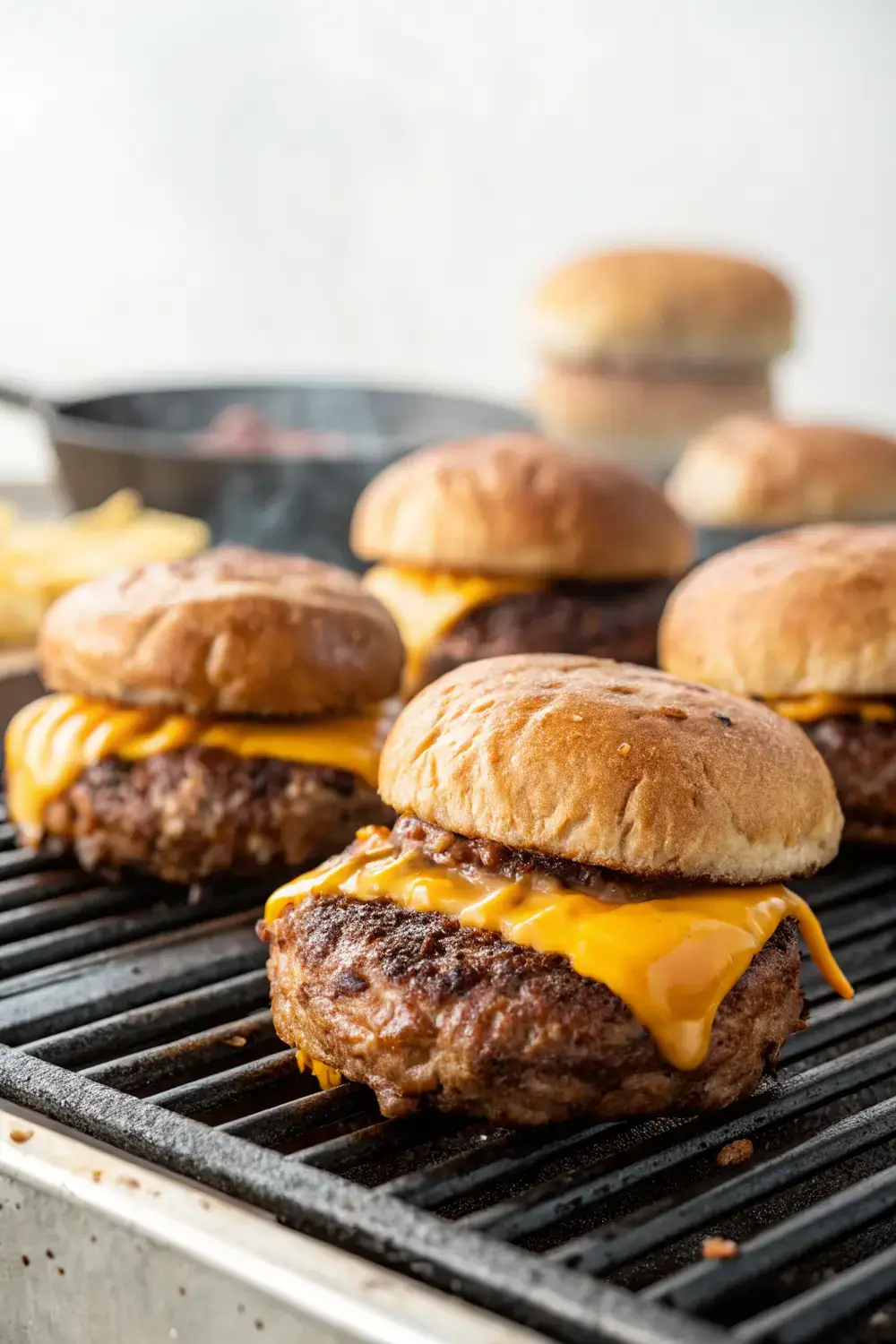
Making the Perfect Beef Burger for Your Backyard BBQ
There’s something about a backyard BBQ that brings people together under the summer sun. Whether it’s friends, family, or a lively crowd, the centerpiece of any great cookout is often a plate of homemade beef burgers. Unlike store-bought options, these patties are crafted with care, packed with flavor, and tailored to your tastes. Over the years, I’ve experimented with countless recipes, and after hosting dozens of BBQs, I’ve mastered the art of creating juicy, savory burgers that keep people coming back for seconds.
Unlike mass-produced versions, homemade beef burgers let you control every detail. You can choose the cut of meat, craft a seasoning blend that suits your palate, and adjust the cooking method to achieve that perfect char. This recipe is designed for anyone who wants to elevate their BBQ game without stress. No fancy tools, no complicated steps—just simple techniques passed down through generations.
Why Homemade Beef Burgers Stand Out
Homemade burgers have a unique texture and depth of flavor that pre-made patties can’t replicate. When you grind the beef fresh (or use high-quality pre-ground meat), the fat distribution is more even, leading to juicier results. Seasoning can be tailored to your preference—maybe you like bold spices, or you prefer a more subtle taste. The patty size, cooking time, and even the type of bun can be customized.
For backyard BBQs, simplicity is key. Guests often appreciate the effort of homemade food, and a great burger can become the star of the event. Plus, summer gatherings are perfect for experimenting with toppings. Think juicy tomatoes, crisp lettuce, or tangy relish. The possibilities are endless, and this recipe gives you a reliable base to build on.
Ingredients Breakdown
Before diving into the steps, let’s talk about the ingredients. Each component plays a role in achieving that perfect balance of juiciness and flavor.
Beef and Its Varieties
The heart of any great burger is, of course, the beef. For this recipe, a blend of ground chuck and brisket works best. Chuck offers richness, while brisket adds a deeper, more complex flavor. If you can’t find a mix, 70% lean chuck or 80% lean brisket will still yield excellent results.
Avoid overly lean cuts. A patty that’s too lean will dry out during cooking. A slight fat content ensures moisture retention and a tender bite. If you’re using a single cut, aim for at least 20% fat content.
Seasonings and Enhancers
Salt and pepper are the foundation. A straightforward blend allows the beef’s natural taste to shine. For extra depth, a small amount of garlic powder or onion powder can enhance the flavor profile. Avoid overloading on spices, which can mask the meat’s richness.
Optional: A touch of brown sugar or ketchup mix (a teaspoon of sugar balanced with a splash of ketchup counteracts the raw meat taste). This step is optional but recommended for a slightly caramelized crust.
Buns and Toppings
Buns are often overlooked but crucial for presentation. A soft brioche or potato bun adds a slight sweetness that complements the savory meat. Avoid hard rolls—they won’t hold up as well.
Toppings should be fresh. Lettuce for crunch, tomato for juiciness, onion for bite, and cheese (if allowed) for gooeyness. Condiments like mayo, mustard, or a homemade sauce can tie everything together.
Wine or Alcohol Restrictions Note
Since no alcohol is permitted in this recipe, we’ll focus on non-alcoholic mixers or alternatives. Ketchup, barbecue sauce, or hot sauce can add flavor without violating dietary rules.
Step-by-Step Burger Making
Now that we’ve covered the essentials, let’s walk through the process. This method ensures even seasoning distribution and a perfect grind.
Preparing the Beef
Start with cold, room-temperature beef. If your meat is too warm, the fat will melt prematurely, leading to a greasy patty. Place the ground beef (or mix) in a large bowl.
Seasoning the Mixture
Sprinkle salt evenly over the beef. Use your hands to mix it in, working from the outside in. This ensures every bite is seasoned, not just the surface. Avoid using a fork—manual mixing distributes spices better.
If you’re adding sugar or ketchup mix, incorporate it gently. Overmixing can make the patties dense.
Forming the Patties
Divide the mixture into equally sized balls. Aim for roughly 4-6 ounces per patty, depending on your bun size. Flatten each ball into a circle about ¾-inch thick.
Tips for Perfect Shape
Don’t press the edges too hard. A slight curve around the patty allows juices to stay inside while cooking. Avoid making them too thick—this can cause uneven cooking.
For easier handling, chill the patties for 15 minutes before grilling. This helps maintain their shape and reduces shrinkage.
Grilling the Burgers
Preheat your grill to medium-high heat. A clean griddle surface is essential to prevent sticking. Place the patties on the grill and let them sear for 3-4 minutes without moving them.
Never Flip Too Soon
The first sear is critical for a flavorful crust. Flip the patty only once to avoid losing juices. Cook time will vary—use a meat thermometer to check for doneness.
– Rare: 120-125°F
– Medium-rare: 130-135°F
– Medium: 140-145°F
Adding Flavor with Smoke
For a smoky aroma, use wood chips like mesquite or cherrywood. Soak them in water for 30 minutes, then place them on the grill. Avoid over-smoking, which can make the meat bitter.
Cooking Variations and Substitutions
Not everyone has a grill. Fear not—this recipe adapts to other methods.
Stovetop Cooking
Use a large skillet over medium heat. Cook patties for 5-6 minutes per side. A cast-iron skillet is ideal for even heat distribution.
Oven Baking
Preheat to 375°F. Place patties on a baking sheet lined with parchment paper. Bake for 20-25 minutes, flipping halfway. This method is less ideal for sear but works in a pinch.
Substitutions:
– For leaner meat, add a tablespoon of olive oil or melted butter to the mixture to keep moisture.
– For a vegetarian twist (though the main recipe is beef-focused), omit meat and use lentils or mushrooms as the base.
Storage and Reheating Tips
Leftovers or extra patties are common at BBQs. Store cooked burgers in an airtight container in the fridge for up to 3 days.
Reheating Without Drying Out
Reheat on a skillet or in the oven at 300°F for 10 minutes. Avoid microwaving, as it crisps the texture. For long-term storage, freeze patties (uncooked or cooked) wrapped in parchment paper.
Common Mistakes to Avoid
Even experienced cooks face pitfalls. Here’s what to steer clear of:
Overmixing the Meat
Overworking the mixture leads to dense, tough burgers. Mix just until combined.
Pressing the Patties Too Firmly
This squeezes out juices. Shape gently and let them relax.
Skipping the Resting Time
Let burgers sit after cooking for 5 minutes. This allows juices to redistribute, preventing a dry bite.
Using the Wrong Buns
A damp or stale bun ruins the experience. Toast lightly for better hold and flavor.
Frequently Asked Questions
Can I Make These Burgers Ahead of Time?
Yes, but shape them just before cooking. Store uncooked patties in the fridge for up to 24 hours. Grilling them cold adds a smoky flavor.
What If I Don’t Have a Meat Grinder?
Most grocery stores sell pre-ground beef. Opt for 80/20 or 70/30 blends.
How Do I Keep Burgers Juicy?
Don’t overcook them. A medium-rare patty is juicier than well-done. Also, use a patty bruiser to create dimples that hold sauce.
Can I Use a Different Type of Cheese?
Absolutely! Cheddar, Swiss, or even blue cheese adds variety. Avoid overly strong cheeses that might overpower the beef.
Should I Add Vinegar to the Seasoning?
A splash of vinegar or lemon juice can tenderize the meat. Add a teaspoon mixed with the spices.
What’s the Best Way to Wipe Off Excess Juices?
A rubber spatula or a piece of paper towel works best. Avoid using a fork, which can pierce the patty.
How Many Calories Are in Each Burger?
A typical patty (4-6 oz) has around 300-400 calories, depending on size and ingredients. Toppings increase the count, so go light or choose veggies.
Conclusion
There’s no secret to making a great beef burger. It’s about quality ingredients, simple techniques, and a dash of patience. These homemade patties are designed to bring joy to your backyard BBQ, offering a taste of summer that’s both comforting and unforgettable.
By focusing on fresh, high-quality beef and avoiding common mistakes, you’ll create burgers that are consistently juicy and flavorful. The beauty of this recipe lies in its adaptability. Whether you’re serving a crowd or cooking for two, the steps remain the same.
So fire up the grill, gather your friends, and enjoy the satisfaction of a perfectly made burger. The best part? You can tweak the recipe to suit your family’s tastes. Maybe add a unique seasoning blend next time or experiment with a new topping.
Your backyard BBQ doesn’t have to be fancy—just hearty, honest, and delicious. That’s what makes homemade beef burgers timeless. Try this recipe, share it with your guests, and create memories around every bite.
Happy cooking!