Table of Contents
- 1 Ingredients
- 2 Preparing the Black-Eyed Peas
- 3 Cooking the Vegetables
- 4 Building the Broth
- 5 Simmering to Perfection
- 6 Serving Suggestions
- 7 Tips for the Best Southern-Style Black-Eyed Peas
- 8 Optional Add-Ins and Variations
- 9 Make-Ahead and Storage
- 10 Why Black-Eyed Peas Are a New Year’s Tradition
- 11 Nutritional Benefits
- 12 Frequently Asked Questions
- 13 Final Thoughts
In many Southern households, New Year’s Day wouldn’t feel complete without a comforting pot of black-eyed peas simmering on the stove. The tradition is rooted in the belief that these humble legumes bring good luck and prosperity for the year ahead. Even for those who don’t follow the superstition, black-eyed peas are a nourishing, satisfying, and budget-friendly dish that captures the warmth of Southern cooking.
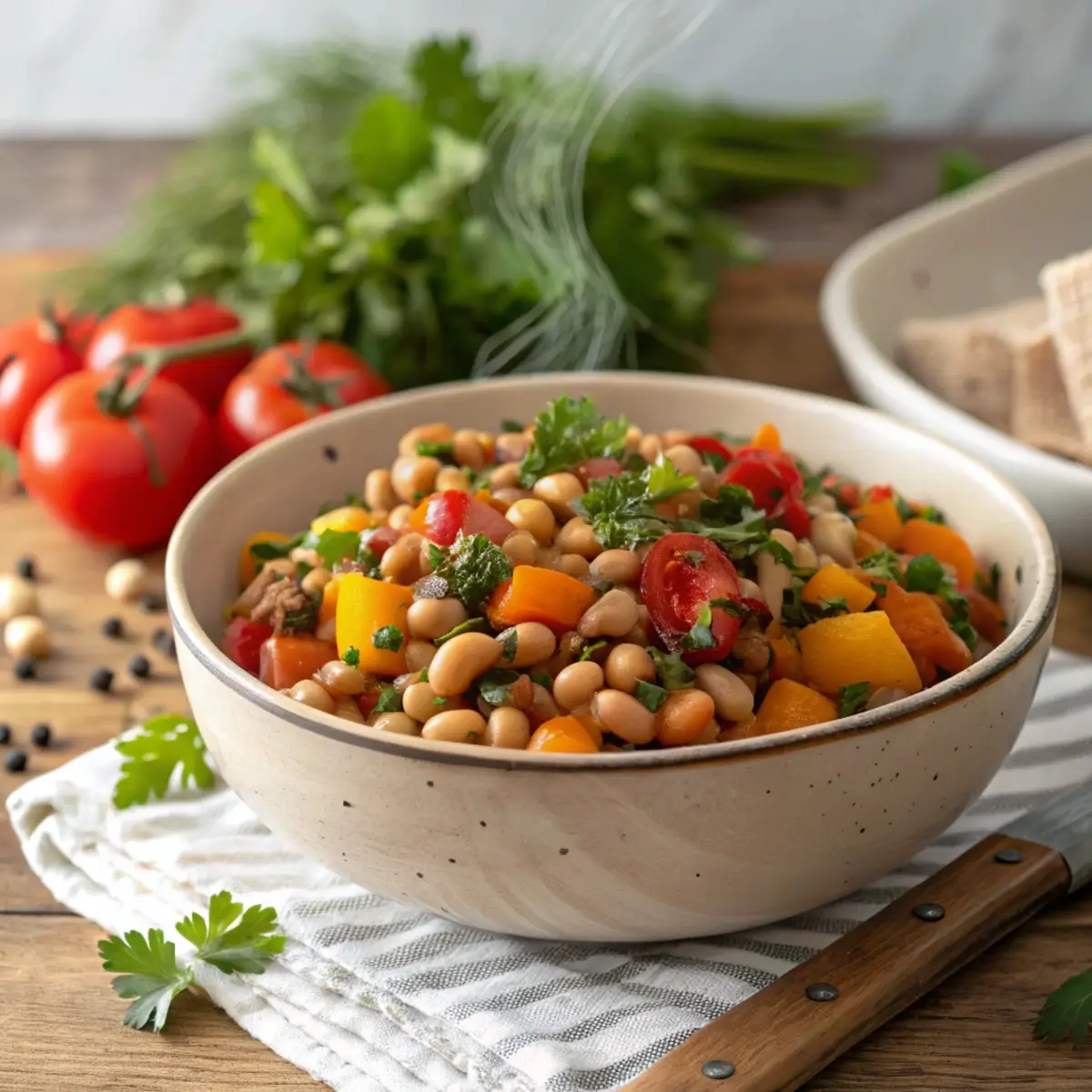
This version delivers the iconic flavor of Southern-style black-eyed peas without pork, using vegetables, herbs, and seasonings to develop the same comforting depth that the traditional dish is known for. Slowly simmered onions, carrots, celery, and spices infuse the peas with a savory richness that makes each bite warm and inviting.
Perfect for chilly days, holiday meals, or anytime you need a bowl of something hearty, this recipe is simple enough for beginners but flavorful enough for seasoned home cooks. Serve it over fluffy rice, spoon it beside a slice of cornbread, or enjoy a steaming bowl on its own.
Ingredients
Black-Eyed Peas
1 pound dried black-eyed peas, rinsed and sorted
6 cups water or low-sodium vegetable broth
1 tablespoon olive oil or avocado oil
Vegetable Base
1 onion, chopped
2 cloves garlic, minced
2 ribs celery, diced
2 medium carrots, chopped
1 bell pepper (any color), diced
Seasonings & Aromatics
1 teaspoon smoked paprika (for depth without meat)
1 teaspoon dried thyme
1 teaspoon dried oregano
1 bay leaf
½ teaspoon black pepper
1 teaspoon salt (adjust to taste)
¼ teaspoon crushed red pepper flakes (optional for heat)
Extra Flavor Add-Ins
1 tablespoon tomato paste
2 teaspoons soy sauce or coconut aminos (rich umami flavor)
1–2 teaspoons apple cider vinegar or lemon juice (added at the end for brightness)
Garnish
Chopped parsley, cilantro, or sliced green onions
Preparing the Black-Eyed Peas
Sorting and Rinsing
Dried black-eyed peas often contain small debris or imperfect peas. Pour them onto a baking sheet or into a bowl and sort through briefly. Rinse under cold water until clean.
Soaking (Optional)
Black-eyed peas cook relatively quickly and don’t always require soaking, but soaking can reduce cooking time and improve digestibility.
If you prefer:
Soak peas in cool water for at least 4 hours or overnight.
Drain before cooking.
Cooking the Vegetables
Warm olive oil in a large pot or Dutch oven over medium heat.
Add onions, celery, and carrots, cooking for 5–7 minutes until softened.
Stir in garlic and bell pepper, sautéing until fragrant.
Add tomato paste and stir well to caramelize slightly, deepening the flavor.
This vegetable base forms the backbone of your Southern-style broth, replacing what pork traditionally offers in richness and body.
Building the Broth
Pour in the rinsed black-eyed peas.
Add vegetable broth or water.
Stir in smoked paprika, thyme, oregano, bay leaf, black pepper, and optional crushed red pepper flakes.
Add soy sauce or coconut aminos to develop umami flavor.
Bring everything to a gentle simmer.
Once the pot begins to bubble lightly, reduce the heat, cover partially, and allow the peas to cook slowly.
Simmering to Perfection
Black-eyed peas typically take 45–60 minutes to soften, depending on whether they were soaked. Keep the pot at a low simmer, stirring occasionally to prevent sticking.
Check tenderness after 40 minutes and adjust the seasoning as needed. Add a splash more broth if you prefer a soupier consistency.
When the peas are fully tender—but not mushy—turn off the heat and remove the bay leaf. Add apple cider vinegar or lemon juice for brightness.
Serving Suggestions
Spoon over warm rice (white or brown).
Serve alongside skillet cornbread or homemade biscuits.
Pair with sautéed greens like collard greens, kale, or spinach.
Add freshly chopped parsley or green onions for vivid color and flavor.
For a thick, stew-like consistency, mash a few peas into the broth.
Tips for the Best Southern-Style Black-Eyed Peas
Use Vegetable Broth for More Flavor
Water will work, but broth creates a richer, more layered taste.
Don’t Skip the Smoked Paprika
It mimics the smokiness that pork-based recipes rely on.
Simmer Slowly
Low and slow cooking encourages the peas to absorb flavor deeply.
Control the Texture
For softer peas, cook longer.
For a brothier dish, add more liquid.
For thicker stew-like peas, simmer uncovered toward the end.
Balance With Acid
A splash of vinegar or lemon juice added at the end brightens all the savory flavors.
Optional Add-Ins and Variations
Southern Vegetable Boost
Diced tomatoes
Okra
Corn kernels
These vegetables enhance color and create a Southern harvest-inspired dish.
Creole or Cajun Twist
Add:
½ teaspoon Cajun seasoning
Chopped green onions
A pinch of cayenne
Creates a more robust, spicy version.
Creamy Black-Eyed Peas
Mash a few peas into the broth or stir in a splash of coconut milk.
High-Protein Addition
Keep the dish pork-free but add:
Diced cooked chicken breast
Roasted turkey pieces
Plant-based sausage crumbles
Herb-Focused Version
Fresh thyme, rosemary, and sage provide an earthy aroma.
Make-Ahead and Storage
Refrigeration
Store in an airtight container for up to 5 days.
The flavor deepens as it sits, making leftovers even better.
Freezing
Cool completely and freeze for 2–3 months.
Thaw in the refrigerator overnight before reheating.
Reheating
Warm on the stove over low heat, adding a splash of water or broth.
Microwave individual servings in 1-minute increments.
Why Black-Eyed Peas Are a New Year’s Tradition
Black-eyed peas symbolize prosperity, abundance, and fresh beginnings in Southern culture. Eating them on the first day of the year is believed to bring luck and financial blessings. While not everyone holds to the superstition, the tradition is deeply woven into family kitchens across the South, creating a comforting ritual that brings people together.
This pork-free variation preserves the spirit of the dish while making it accessible to more dietary preferences.
Nutritional Benefits
Black-eyed peas are naturally nutrient-rich, offering:
Plant-based protein
Fiber for digestion
B vitamins
Iron
Magnesium
Potassium
Combined with vegetables and herbs, this dish provides a balanced, wholesome meal that supports energy and well-being.
Frequently Asked Questions
Can I use canned black-eyed peas instead of dried?
Yes. If using canned, reduce simmering time significantly. Add them after sautéing the vegetables and cook for 15–20 minutes so flavors blend.
Do I have to soak the peas?
No. Soaking simply speeds up cooking time, but unsoaked peas cook well within an hour.
How can I make the broth thicker?
Mash a spoonful of peas into the pot or remove the lid during the final 10 minutes of cooking to reduce liquid.
What can I serve with black-eyed peas?
Rice, cornbread, collard greens, roasted vegetables, or simple salads pair beautifully.
Can I cook this in a slow cooker?
Yes. Combine all ingredients except vinegar and cook on low for 6–8 hours or on high for 3–4 hours. Add vinegar at the end.
Is this dish naturally gluten-free?
Yes, all ingredients are naturally gluten-free.
Can I meal prep this dish?
Absolutely. It reheats well and can be portioned for lunches or dinners throughout the week.
Final Thoughts
Southern-style black-eyed peas deliver everything you want in a comforting meal—warmth, heartiness, rich flavor, and nourishing ingredients. This pork-free version honors tradition while keeping the dish accessible for a wider range of preferences. The slow simmering process develops deep, savory notes from vegetables, herbs, and seasonings, creating a wholesome bowl that’s every bit as satisfying as its classic counterpart.
Whether you enjoy this dish as part of a New Year’s celebration or simply crave a cozy Southern-style meal, it’s a recipe that brings comfort, flavor, and a touch of tradition to the table. Serve it with rice or cornbread, share it with family, and savor each spoonful of this timeless comfort food.