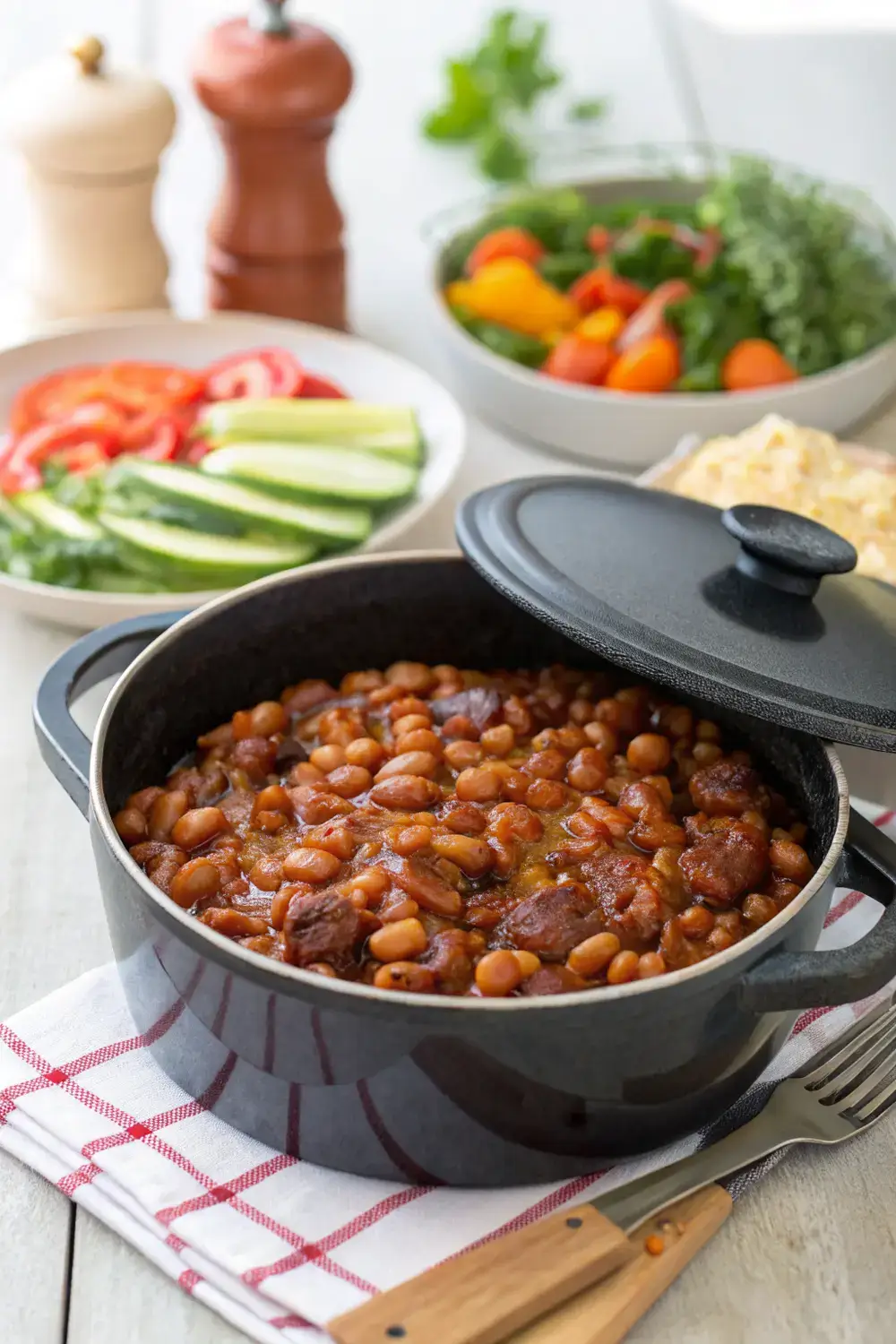
The Joy of a Pork-Free 4th of July Baked Bean Tradition
There’s something magical about gathering with loved ones on a summer evening, the sun setting just as the aroma of smoky grilled vegetables and freshly baked bread fills the air. At the heart of this celebration often lies a pot of baked beans—rich, creamy, and bursting with flavor. But what if you follow a vegetarian lifestyle or simply prefer to skip pork? Enter the pork-free baked bean, a dish that’s just as hearty, flavorful, and versatile as its traditional counterpart. Whether you’re hosting a backyard barbecue or a casual potluck, these beans are a showstopper that guarantees nods of appreciation from even the most discerning taste buds.
The beauty of this recipe lies in its simplicity. Using pantry staples and fresh produce, you can create a dish that’s both deeply satisfying and entirely pork-free. From the smoky sweetness of molasses to the zesty tang of apple cider vinegar, every ingredient plays a role in building layers of flavor. No one has to miss out on the joy of a classic 4th of July staple—this version is inclusive, adaptable, and oh-so-tasty.
In this guide, you’ll learn how to make beans that are tender without being mushy, sweet without being cloying, and perfectly balanced with a hint of heat. We’ll walk through every step in detail, from prepping the ingredients to troubleshooting common pitfalls. By the end, you’ll have a recipe that’s not just a side dish but a conversation starter for your summer celebrations.
Why Choose Pork-Free Baked Beans?
Traditional baked beans often rely on pork products like bacon or ham for richness and depth. However, this recipe eliminates those elements entirely, using natural flavors to achieve the same complexity. This makes it ideal for vegetarians, vegans, or anyone looking to reduce their meat intake. Plus, pork-free beans are just as festive and satisfying, proving that dietary preferences don’t have to limit creativity in the kitchen.
Another advantage is versatility. Pork-free beans can be tweaked to suit individual tastes—add more spices for smokiness, extra sweetness for a dessert-like finish, or fresh herbs for a refreshing twist. They also pair wonderfully with a variety of sides, from grilled corn to quinoa salads, making them a reliable centerpiece for any 4th of July spread.
Key Ingredients and Their Roles
To create beans that are both tender and full of flavor, you’ll need a carefully selected group of ingredients. Each one contributes uniquely to the final dish, so let’s break them down.
Canned Kidney Beans (Gluten-Free Option)
Canned kidney beans are the foundation of this recipe. They’re pre-cooked, making them a quick and convenient choice. Opt for low-sodium varieties to control salt levels, as you’ll add flavor through other means. If you prefer a heartier texture, you can rinse and drain the beans thoroughly. For a gluten-free version, ensure all other ingredients are certified gluten-free.
Yellow Onion (Sweetness and Depth)
Yellow onions add a caramelized sweetness that balances the tangy glaze. Their natural sugars come out when cooked, creating a rich flavor base. Sautéing them until golden brown enhances their aroma, which infuses the beans beautifully.
Carrots and Celery (Freshness and Body)
These vegetables add a pop of color and a subtle earthiness. Diced carrots provide natural sweetness, while celery contributes a refreshing crunch. Together, they add texture and complexity without overpowering the dish.
Garlic Powder and Onion Powder (Aroma Boosters)
Both add concentrated flavor without the need for fresh garlic or onions. They’re pantry staples that deepen the umami profile of the beans.
Chili Powder and Smoked Paprika (Smokiness Without Meat)
These spices mimic the smoky depth often found in pork-based recipes. Chili powder adds heat, while smoked paprika contributes a subtle, earthy note. Together, they create the illusion of a meaty richness.
Brown Sugar and Molasses (Sweet Glaze)
Brown sugar caramelizes during cooking, while molasses provides a molasses-like sweetness and body. This combination creates a glaze that’s sticky, sweet, and utterly irresistible.
Apple Cider Vinegar (Tangy Balance)
A splash of vinegar cuts through the richness, adding a bright, tangy note that prevents the beans from tasting too heavy. It also helps preserve the beans slightly, keeping them fresh longer.
Vegetable Broth (Moisture and Flavor)
Instead of pork broth, use vegetable broth to keep the recipe 100% plant-based. It adds moisture and a savory backbone without overpowering the other flavors.
Step-by-Step Guide to Perfect Pork-Free Baked Beans
Now that you have all your ingredients ready, let’s dive into the cooking process. This recipe makes approximately 8 servings, so adjust quantities if you need more or less.
Step 1: Prepare the Beans
Start by draining and rinsing your canned kidney beans. If you’re using dried beans (a less common but rewarding option), soak them overnight in water to soften them before cooking. However, for simplicity and speed, canned beans are recommended, especially for a holiday meal.
Step 2: Sauté the Aromatics
In a large pot or Dutch oven, heat a tablespoon of oil (like olive oil) over medium heat. Add one diced yellow onion, two carrots, and one celery stalk. Sauté for 5–7 minutes until the vegetables are softened and fragrant. Stir in one teaspoon of garlic powder and one teaspoon of onion powder. Cook for another minute to let the aromatics bloom.
Step 3: Add Spices and Simmer
Stir in one tablespoon each of chili powder and smoked paprika. Allow the spices to toast slightly in the heat, which enhances their flavor. Next, add one teaspoon of brown sugar and two tablespoons of molasses. These will begin to caramelize as they cook.
Step 4: Incorporate the Beans and Broth
Now, add the drained kidney beans to the pot. Pour in four cups of vegetable broth to cover them by about an inch. Stir everything together and bring the mixture to a gentle simmer. Reduce the heat to low and let it cook uncovered for 30–40 minutes. The beans should be tender but still hold their shape.
Step 5: Prepare the Glaze
While the beans simmer, make the glaze. In a small bowl, mix together one tablespoon of apple cider vinegar, one tablespoon of brown sugar, and one teaspoon of molasses. This will create a sticky, slightly tangy sauce that binds everything together.
Step 6: Combine and Finish
After 40 minutes, remove the pot from the heat. Stir in the glaze and mix well. Let the mixture sit for 10–15 minutes so the flavors meld. If the beans seem too dry, add a splash of vegetable broth or water to create a runny consistency.
Step 7: Serve and Garnish
Transfer the beans to a serving dish. Garnish with fresh chopped parsley or green onions for color. Serve warm or at room temperature, ensuring there’s plenty to share with your guests.
Tips for Success
– Don’t Rush the Simmering: Patience is key. Let the beans cook slowly to develop deep flavor.
– Adjust Sweetness: Taste the glaze before adding. If it’s too sweet, add a pinch more vinegar.
– Thickening the Glaze: If the sauce is too runny, simmer it separately to reduce.
Variations and Substitutions
This recipe is flexible, allowing you to adapt it to your preferences or pantry needs.
For Extra Smokiness
Add a dash of liquid smoke (a few drops) or use a smoking gun if you have one. This mimics the depth that pork would normally provide.
For a Sweeter Version
Increase the brown sugar to two tablespoons or add a teaspoon of honey (if keeping it vegan). You can also use maple syrup for a different flavor profile.
For a Spicier Kick
Add one chopped jalapeño or a teaspoon of cayenne pepper to the sautéed vegetables. Adjust to taste.
Gluten-Free Option
Ensure all spices and broth are certified gluten-free, as some brands may contain traces.
Vegan Adaptation
Replace the molasses or brown sugar with a high-quality agave nectar. Check that all other ingredients are vegan.
Storage and Reheating Tips
These beans reheat beautifully, making them ideal for meal prepping or serving over multiple days.
Refrigeration
Store leftovers in an airtight container in the refrigerator for up to 5 days.
Freezing
For longer storage, freeze the beans in a freezer-safe bag or container. They’ll keep for up to 3 months. When reheating, add a splash of water or broth to prevent them from drying out.
Reheating Instructions
Warm the beans gently in a saucepan over low heat, stirring often. If they’ve thickened, add liquid to restore the sauce. Alternatively, reheat in the microwave in 1–2 minute intervals, stirring in between.
Common Mistakes to Avoid
Even a simple recipe can go wrong if you’re not careful. Here’s how to steer clear of pitfalls.
Overcooking the Beans
This can make them mushy. Stick to 40 minutes of simmering and check for doneness by pressing a bean—it should be tender but firm.
Imbalanced Glaze
Too much vinegar will make the beans sour, while too little leaves them overly sweet. Taste and adjust as you go.
Not Roasting the Onions Enough
Brown onions are crucial for depth. Rushing this step can result in bland beans.
Skipping the Soak (If Using Dried Beans)
Dried beans require soaking to soften. Without it, they’ll remain hard and unpalatable.
FAQs About Pork-Free Baked Beans
1. Can I use black beans instead of kidney beans?
Yes! Black beans will work just as well. They have a slightly earthier flavor, but the spices will still shine.
2. Is this recipe vegan?
It can be! Use maple syrup instead of molasses or brown sugar to ensure it’s vegan.
3. How do I make the glaze thicker?
Simmer the glaze separately on low heat until it reduces to a syrupy consistency.
4. Can I add other vegetables?
Absolutely! Diced bell peppers, green beans, or even corn add great texture.
5. Why are my beans not sticking to the glaze?
Ensure you’ve added enough vinegar and brown sugar to the glaze. If the beans are too dry, stir in a bit of broth.
6. Can I make this recipe ahead of time?
Yes! Assemble the beans up to a day in advance. Reheat gently before serving for the best flavor.
Conclusion: A Celebration for Every Palate
This pork-free 4th of July baked bean recipe is more than just a side dish—it’s a centerpiece that brings people together. Whether you’re cooking for a crowd or just for yourself, these beans deliver a burst of flavor that’s hard to resist. The sweet, smoky, and tangy elements come together in harmony, creating a dish that’s both nostalgic and innovative.
The key to success lies in balance. Each ingredient has a role, and by following the steps carefully, you’ll avoid common mistakes and achieve a result that’s truly special. Plus, with so many customization options, this recipe can be tailored to suit any dietary need or taste preference.
As you fire up your grill and set up your table, remember that food has a way of bringing people together. A pot of these pork-free beans can be the perfect conversation starter, a sweet touch that complements grilled meats or vegetables, and a comforting ending to any meal.
So, roll up your sleeves, gather your ingredients, and let the aroma of homemade baked beans fill your kitchen. With this recipe, you’re not just making a side dish—you’re crafting a memory for your 4th of July celebration. Happy cooking!