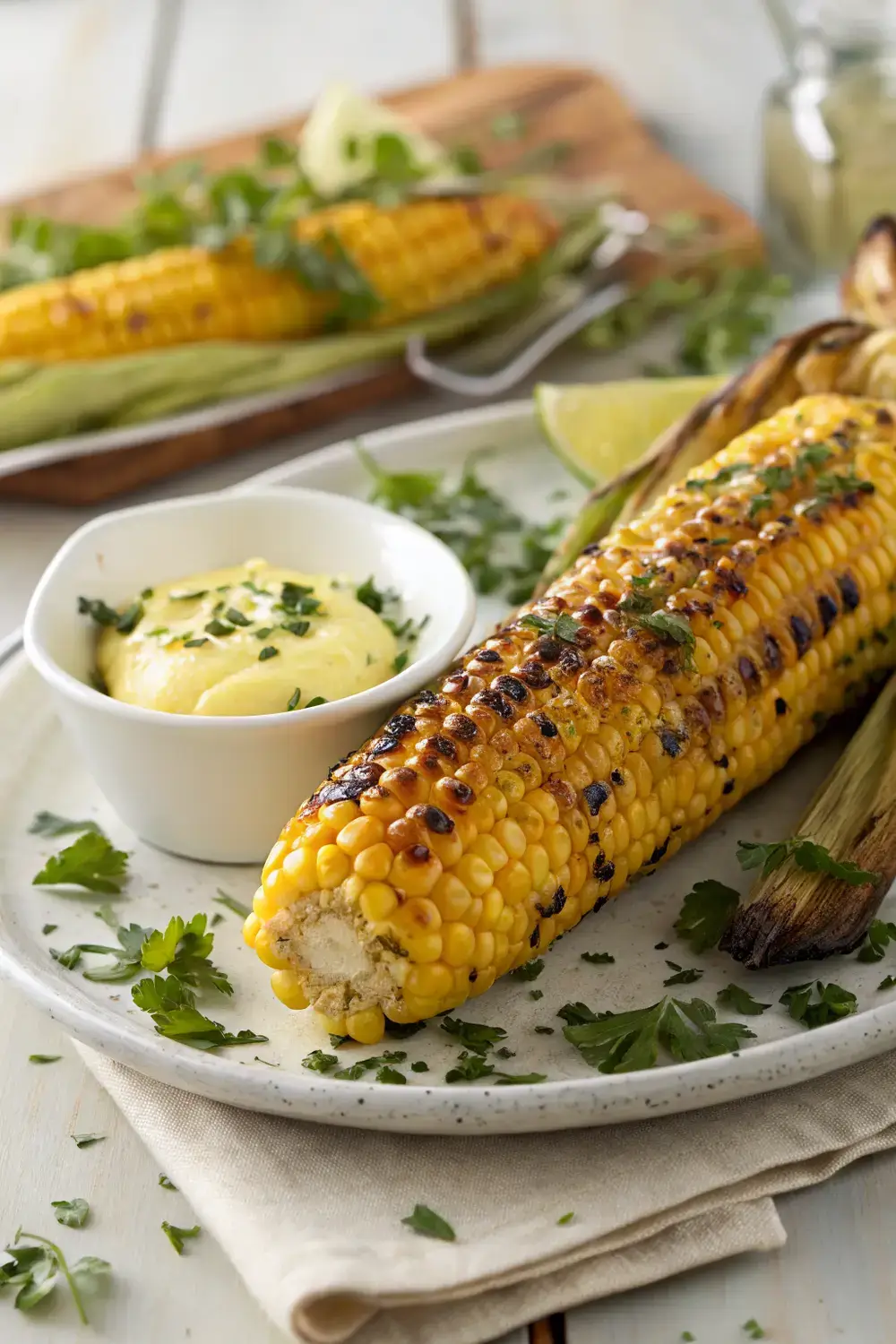
Introduction To Grilled Corn Traditions
Grilled corn has long been a staple at outdoor gatherings, celebrated for its perfect balance of sweet and smoky flavors. Whether you’re planning a summer barbecue or a cozy family dinner, this dish offers a versatile foundation that adapts to any occasion. The key lies in mastering the process to ensure every cob is equally treated, resulting in a harmonious blend of textures and tastes. This collection explores how to elevate a simple recipe into something extraordinary, tailored for those who value quality and precision.
Why Grilled Corn Stands Out
What makes grilled corn so indispensable? Its ability to absorb herbs and sugars while retaining a tender interior creates a universally appealing result. The charred edges contrast beautifully with the soft center, making it a visual and sensory delight. For those new to cooking with grills, the steps are straightforward but require attention to detail to avoid common pitfalls. Whether you’re a seasoned chef or a cooking novice, this guide provides clear guidance to ensure success every time.
Essential Ingredients Explained
The core components of this recipe include fresh corn, butter, salt, and herbs. Each ingredient plays a distinct role: corn provides the base, butter adds richness, salt enhances flavor, and herbs introduce brightness. Understanding their functions helps in adjusting quantities based on taste preferences. For instance, using freshly picked corn guarantees a fresher taste compared to processed alternatives. These elements work synergistically to create a dish that’s both accessible and sophisticated.
Step-by-Step Grilling Process
Crafting perfect grilled corn involves attention to detail at every stage. Begin by preheating the grill to ensure uniform heat distribution. Place the corn on skewers or directly onto the grates, avoiding overcrowding to maintain grill space. The cooking duration should be adjusted slightly based on corn variety and thickness. Simultaneously, preparing the butter mixture ensures a smooth glaze that adheres evenly, contributing to the final texture. Patience is key here, as rushing can compromise the result.
Creative Variations And Substitutions
While the classic recipe is a crowd-pleaser, flexibility allows for customization. Experiment with different herbs—thyme, basil, or even chili flakes—to suit personal preferences. Substituting corn kernels with other seasonal produce like zucchini or squash can introduce new flavors while maintaining the dish’s heart. Adjust cooking times if using smaller or larger corn, considering variations in moisture content. These adaptations make the recipe a versatile tool for diverse culinary needs.
Storage And Reheating Techniques
After grilling, leftovers can be stored in airtight containers to preserve freshness. Reheating methods include warming in a skillet or oven to maintain crispness. If stored improperly, corn may lose its desired texture, making it preferable to serve fresh. Proper storage ensures that even after preparation time passes, the dish retains its quality and vitality.
Avoiding Common Mistakes
Attempting to force the corn beyond its capacity is a frequent mistake. Overwatering during grilling can lead to sogginess, while undercooking may result in uneven cooking. Additionally, skipping the resting period after grilling allows the internal temperature to stabilize, preventing a mushy outcome. These insights help prevent frustration and ensure consistency across attempts.
Frequently Asked Questions
Rest the grilled corn for a few minutes before serving to allow excess moisture to dissipate.
Yes, but adjust the amount to maintain richness while ensuring the dish remains cohesive.
Absolutely, as it’s naturally sweet and sweet. Adjust herb quantities to suit dietary preferences.
It requires direct heat but may need slightly longer based on grill size and temperature control.
Outdoor grills offer ideal conditions, but indoor ovens or infrared heaters provide reliable alternatives.
Adjust cooking time or reduce direct heat intensity to avoid burning.
Conclusion And Final Tips
Mastering grilled corn involves practice and attention to detail, yet its simplicity belies its rewards. By embracing these tips and experimenting with variations, you can tailor the dish to meet individual tastes. Whether planning a special event or everyday meal, this recipe serves as a reliable foundation. Remember to savor each step, adjust as needed, and enjoy the process. With care and attention, perfectly grilled corn becomes a testament to patience and skill, reinforcing its role as a beloved staple in countless culinary traditions.