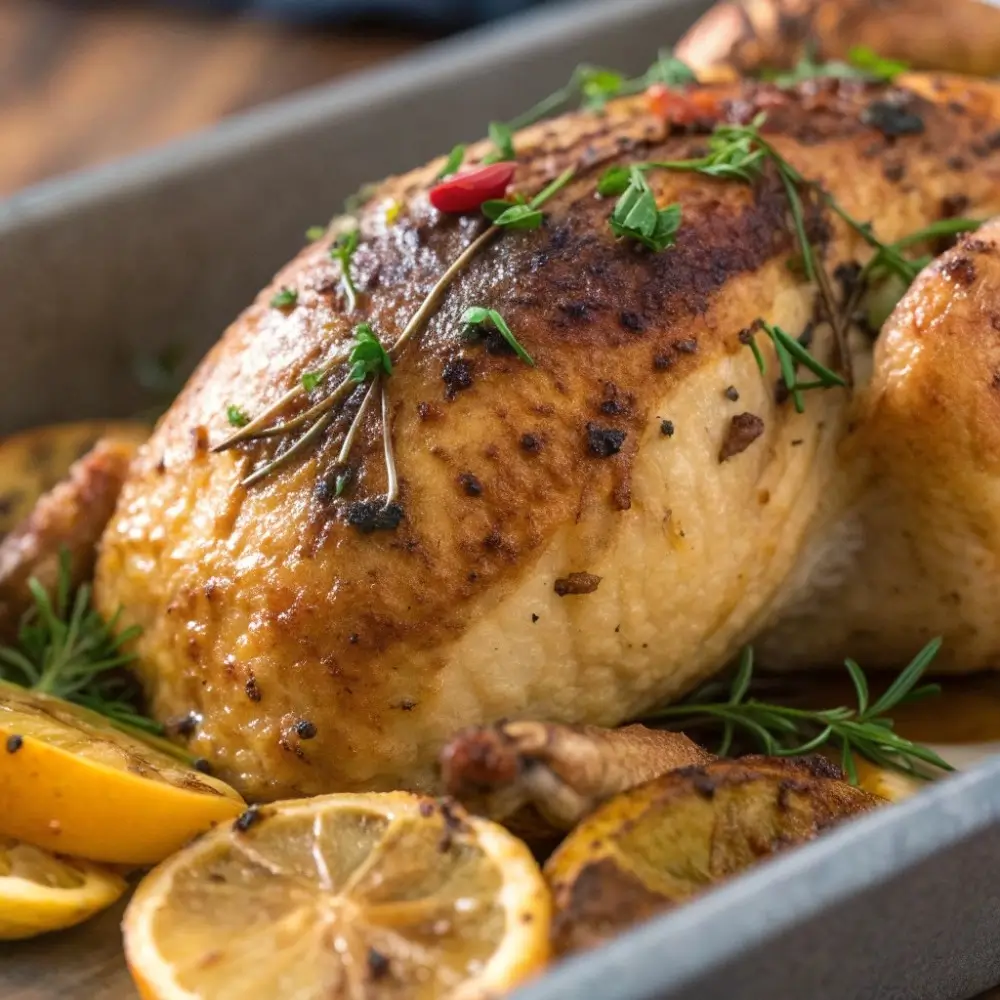
Table of Contents
- 1 Why Oven Chicken Often Turns Dry
- 2 The Core Principles of Juicy Oven Chicken
- 3 The Best Juicy Oven-Baked Chicken Recipe
- 4 How to Prepare Chicken for Maximum Juiciness
- 5 Baking Instructions That Prevent Dry Chicken
- 6 The Most Important Step: Resting the Chicken
- 7 Why This Method Works Every Time
- 8 Best Chicken Cuts for Juicy Oven Results
- 9 Flavor Variations Without Drying Out the Chicken
- 10 Common Mistakes That Cause Dry Oven Chicken
- 11 How to Tell When Chicken Is Perfectly Cooked
- 12 Serving Ideas for Juicy Oven Chicken
- 13 Using Leftovers Without Drying Them Out
- 14 Juicy Oven Chicken for Meal Prep
- 15 Frequently Asked Questions
- 16 Building Confidence With Oven Chicken
- 17 Final Thoughts
Dry chicken is one of the most common frustrations in home cooking. You follow a recipe, set the oven, wait patiently, and still end up with chicken that feels tough, stringy, or bland. It is discouraging, especially when chicken is supposed to be a reliable, versatile protein for family dinners and weekly meal prep.
The good news is that juicy oven chicken is not about complicated recipes or fancy ingredients. It is about understanding a few simple techniques that protect moisture, enhance flavor, and create consistently tender results. Once you learn these methods, you can confidently cook chicken in the oven without fear of drying it out.
This article walks you through a proven juicy oven chicken recipe, explains why it works, and shows you how to adapt it for different tastes, cuts, and occasions. Whether you are cooking for your family, planning leftovers, or just want dependable oven meals, this guide will help you achieve juicy chicken every single time.
Why Oven Chicken Often Turns Dry
Before fixing the problem, it helps to understand why it happens.
Chicken dries out when moisture escapes too quickly during cooking. This usually occurs because of:
Cooking at the wrong temperature
Overcooking, even by a few minutes
Using very lean cuts without protection
Skipping resting time after baking
Not seasoning or preparing the chicken properly
The oven itself is not the enemy. In fact, when used correctly, it can produce some of the juiciest chicken possible. The key is controlling heat, timing, and preparation.
The Core Principles of Juicy Oven Chicken
Juicy chicken is the result of technique, not luck. These principles apply no matter which cut you use.
Proper temperature
Cooking chicken at too low a temperature causes it to dry out before browning. Too high, and the outside dries before the inside cooks. A moderate, steady oven temperature is ideal.
Even thickness
Chicken that cooks unevenly leads to dry edges and undercooked centers. Flattening or choosing evenly sized pieces helps everything cook at the same rate.
Fat and seasoning
A small amount of oil or fat helps seal in moisture. Seasoning also encourages better texture and flavor development.
Resting time
Letting chicken rest after baking allows juices to redistribute instead of running out when sliced.
These principles are built directly into the recipe below.
The Best Juicy Oven-Baked Chicken Recipe
This is a reliable, repeatable recipe designed specifically to prevent dryness. It uses simple ingredients and straightforward steps that work even for beginners.
Ingredients
For the chicken:
4 boneless, skinless chicken breasts
2 tablespoons olive oil
1 teaspoon salt
½ teaspoon black pepper
1 teaspoon garlic powder
1 teaspoon onion powder
1 teaspoon paprika
Optional flavor additions:
Dried oregano or thyme
Lemon zest
Fresh herbs for garnish
How to Prepare Chicken for Maximum Juiciness
Step one: bring chicken closer to room temperature
Remove the chicken from the refrigerator about 15 minutes before cooking. This helps it cook more evenly in the oven.
Step two: even out the thickness
Place the chicken breasts between two sheets of parchment or plastic wrap and gently pound the thicker side until the chicken is relatively even in thickness. This step alone dramatically improves juiciness.
Step three: season generously
Pat the chicken dry. Drizzle with olive oil and rub it over the entire surface. Sprinkle salt, pepper, garlic powder, onion powder, and paprika evenly on both sides.
Do not rush this step. Even seasoning contributes to moisture retention and flavor.
Baking Instructions That Prevent Dry Chicken
Preheat the oven
Set your oven to 425°F (220°C). This temperature allows the chicken to cook quickly while sealing in juices.
Arrange the chicken
Place the chicken breasts in a single layer in a baking dish or on a lined baking sheet. Leave a little space between pieces so heat circulates evenly.
Bake uncovered
Bake for 18–22 minutes, depending on thickness. The chicken should be cooked through but still tender.
Avoid opening the oven repeatedly, as this releases heat and affects cooking consistency.
The Most Important Step: Resting the Chicken
Once the chicken is out of the oven, resist the urge to cut into it immediately.
Let it rest for at least 5–8 minutes. During this time, the juices redistribute throughout the meat. Cutting too soon allows moisture to escape, making the chicken seem dry even if it was perfectly cooked.
Why This Method Works Every Time
This recipe combines multiple moisture-protecting techniques:
High enough heat to seal juices
Olive oil to protect the surface
Even thickness for consistent cooking
Short cooking time to avoid overbaking
Resting time to retain internal moisture
Together, these steps create chicken that is tender, juicy, and flavorful without complicated steps.
Best Chicken Cuts for Juicy Oven Results
Boneless, skinless chicken breasts
Lean and quick-cooking. Best when pounded evenly and not overbaked.
Boneless, skinless chicken thighs
Naturally juicier and more forgiving. Ideal if you often overcook chicken.
Bone-in chicken pieces
Excellent for moisture retention but require longer cooking times.
This recipe works best with boneless cuts, but the principles apply to all types.
Flavor Variations Without Drying Out the Chicken
Once you master the base recipe, you can customize flavors easily.
Lemon herb chicken
Add lemon zest and dried herbs before baking. Finish with fresh herbs after resting.
Garlic lovers chicken
Increase garlic powder and add fresh minced garlic mixed with olive oil.
Smoky paprika chicken
Use smoked paprika for deeper flavor and color.
Mild spice version
Add a pinch of chili flakes or cayenne for gentle heat.
None of these variations require extra steps or longer cooking times.
Common Mistakes That Cause Dry Oven Chicken
Overcooking by “just a few minutes”
Chicken continues cooking slightly after leaving the oven. Those extra minutes matter.
Cooking straight from the fridge
Cold chicken cooks unevenly, leading to dryness.
Skipping oil or fat
Even lean cooking needs some fat to protect the meat.
Cutting immediately after baking
This releases juices that should stay inside the chicken.
Avoiding these mistakes alone will significantly improve your results.
How to Tell When Chicken Is Perfectly Cooked
Juicy chicken should be:
Opaque and white throughout
Firm but still springy to the touch
Releasing clear juices, not cloudy
If you prefer precision, use a thermometer and remove chicken once it reaches a safe internal temperature. Then rest it before serving.
Serving Ideas for Juicy Oven Chicken
This chicken works well with many sides.
Roasted vegetables
Steamed rice or quinoa
Mashed or roasted potatoes
Fresh salads
Simple grain bowls
Because the chicken stays moist, it also works well sliced for wraps or bowls.
Using Leftovers Without Drying Them Out
Juicy chicken makes excellent leftovers when handled properly.
Storage tips
Store in airtight containers
Refrigerate within two hours
Use within 3–4 days
Reheating tips
Reheat gently, not at high heat
Add a splash of water or broth
Cover while reheating to trap steam
Proper reheating keeps the chicken tender even the next day.
Juicy Oven Chicken for Meal Prep
This recipe is ideal for meal planning.
Cook a batch at the start of the week
Slice after resting
Store in portions
Use the chicken for salads, wraps, bowls, or quick dinners without worrying about dryness.
Frequently Asked Questions
Why does my chicken dry out even when I follow recipes?
Small differences in oven temperature, thickness, or timing can cause dryness. Using consistent techniques is more reliable than following times alone.
Can I cover chicken with foil while baking?
Covering can help, but this recipe does not require it. High heat and oil already protect moisture.
Is it better to bake chicken fast or slow?
Moderate-high heat for a shorter time is better for juiciness than low heat for a long time.
Can I marinate the chicken?
Yes, but it is not required. This recipe is designed to be juicy without marinating.
Does resting really make a difference?
Yes. Resting is one of the most important steps for keeping chicken juicy.
Can I use this method for other proteins?
The principles apply to many lean proteins, but times and temperatures will vary.
Building Confidence With Oven Chicken
Once you succeed with juicy oven chicken a few times, confidence replaces frustration. You stop guessing, stop overcooking, and start trusting the process.
Cooking chicken does not need to feel risky. With the right method, the oven becomes one of the most reliable tools in your kitchen.
Final Thoughts
Juicy oven chicken is not a mystery—it is the result of simple, repeatable steps that protect moisture and enhance flavor. By controlling heat, preparing chicken properly, and allowing it to rest, you can enjoy tender, flavorful chicken every time you bake it.
This recipe is designed to be dependable, flexible, and easy enough for any night of the week. Once you try it, dry chicken will no longer be part of your routine.