Table of Contents
- 1 Ingredients
- 2 Why This Recipe Works for Beginners
- 3 Preparing the Black Eyed Peas
- 4 Building the Flavor Base
- 5 Adding the Peas and Liquid
- 6 Simmering the Black Eyed Peas
- 7 Finishing Touches
- 8 Serving Suggestions
- 9 Texture and Flavor Adjustments
- 10 Variations for Different Taste Profiles
- 11 Why Stovetop Cooking Works So Well
- 12 Storage and Reheating
- 13 Nutritional Benefits
- 14 Beginner Troubleshooting Guide
- 15 Step-by-Step Summary
- 16 Frequently Asked Questions
- 17 Final Thoughts
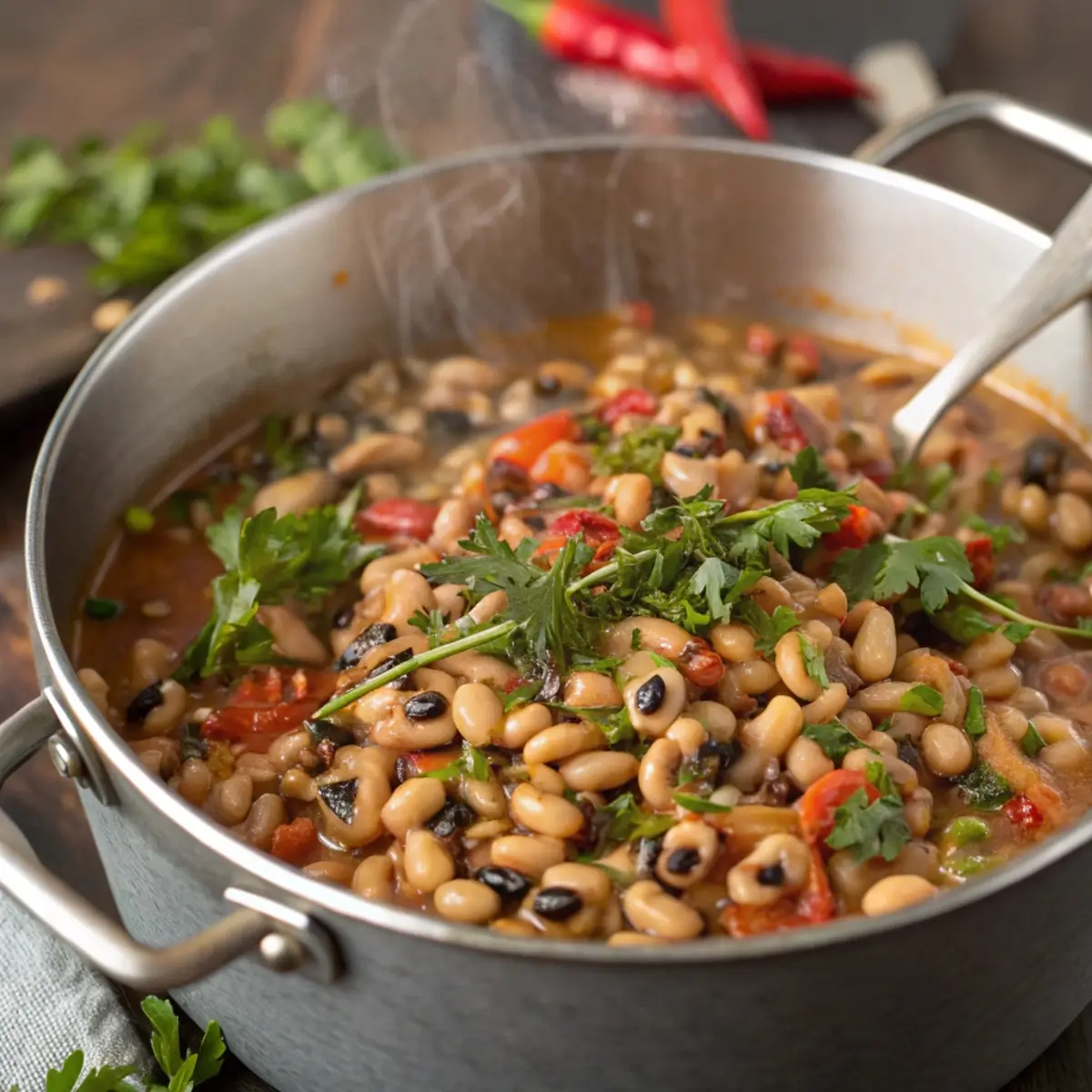
Black-eyed peas are one of the most comforting and approachable ingredients you can cook with—especially for beginners. They’re inexpensive, versatile, and incredibly nourishing. Whether you’re preparing them for a weekday dinner, meal prep for the week ahead, or simply craving something wholesome and warm, stovetop black-eyed peas offer the perfect solution.
This recipe keeps things wonderfully simple. There’s no need for fancy equipment or complicated steps. Just a pot, a few vegetables, gentle seasonings, and time. As the peas simmer, they soften into a creamy, earthy texture, soaking up aromatic flavors from garlic, onions, and herbs. The result is a cozy dish that tastes like it took hours—even though it’s mostly hands-off.
Traditional Southern recipes often include pork, but this beginner-friendly version stays pork-free and relies solely on herbs, spices, and vegetables to build depth. You still get a rich, satisfying bowl of black-eyed peas without needing smoked meats, making it a great option for lighter eating or dietary preferences.
This guide walks through everything: ingredients, step-by-step cooking, flavor variations, storage tips, serving ideas, and answers to common questions beginners often have. Whether this is your first time cooking dried beans or you’re simply looking for a dependable stovetop recipe, these black-eyed peas are a delicious place to start.
Ingredients
Base Ingredients
1 pound dried black-eyed peas, rinsed and sorted
7–8 cups water or low-sodium vegetable broth
1 tablespoon olive oil
Aromatics
1 large onion, diced
3 cloves garlic, minced
2 ribs celery, chopped
1 medium carrot, chopped
Herbs & Spices
1 teaspoon dried thyme
1 teaspoon dried oregano
1 teaspoon smoked paprika
1 bay leaf
½ teaspoon black pepper
¾ teaspoon salt (adjust later to taste)
¼ teaspoon crushed red pepper flakes (optional)
Flavor Boosters
1 tablespoon tomato paste
1 teaspoon soy sauce or coconut aminos (optional but adds umami)
1–2 teaspoons lemon juice or apple cider vinegar (added at the end)
Garnish
Fresh parsley, cilantro, or sliced green onions
Why This Recipe Works for Beginners
People often feel intimidated by cooking dried beans, but this recipe makes it foolproof. Every step is approachable, the ingredients are affordable, and the process is forgiving. As long as you simmer gently and keep the pot from drying out, the black-eyed peas cook beautifully.
Here’s why stovetop black-eyed peas are ideal for beginners:
You don’t have to soak them (though you can if you prefer).
They cook faster than many other dried beans.
They absorb flavor quickly.
The ingredients are pantry staples.
Seasoning is simple and flexible.
The dish is naturally vegetarian and pork-free.
This recipe is perfect for learning foundational cooking skills like sautéing vegetables, simmering, seasoning, and adjusting flavors at the end.
Preparing the Black Eyed Peas
The first step is sorting and rinsing.
Sorting
Dried peas may contain small stones or debris from processing. Pour the peas onto a tray or large plate and quickly scan for anything that doesn’t belong. Remove unwanted pieces.
Rinsing
Place the peas in a colander and rinse under cold water until the water runs clear.
Optional Soaking
Some cooks soak dried peas to reduce cooking time. If you prefer this approach, cover peas with water for 4–6 hours, then drain. If not, they cook perfectly well without soaking—just allow for a slightly longer simmer.
Building the Flavor Base
The secret to making beginner-friendly black-eyed peas taste rich lies in the aromatic base. This is where onions, garlic, celery, carrots, and tomato paste work their magic.
Heat olive oil in a large pot over medium heat.
Add the diced onion, celery, and carrots. Cook 5–7 minutes until softened and fragrant.
Add garlic and stir for one minute so it doesn’t burn.
Stir in tomato paste and let it caramelize slightly. This deepens the overall flavor.
This vegetable foundation gives the peas a warm, homestyle taste and helps create a broth that feels comforting and full-bodied.
Adding the Peas and Liquid
Once the vegetables soften and the tomato paste has had time to develop flavor, it’s time to build the broth.
Add the rinsed black-eyed peas to the pot.
Pour in water or vegetable broth.
Add thyme, oregano, smoked paprika, black pepper, red pepper flakes (optional), and bay leaf.
Stir in soy sauce or coconut aminos if using.
Increase the heat to bring everything to a gentle boil. Once boiling, reduce the heat to a simmer.
Simmering the Black Eyed Peas
Black-eyed peas typically take 45–60 minutes to become tender on the stovetop. During this time, they soften, the broth thickens slightly, and flavors meld beautifully.
Simmering tips for success:
Keep the pot partially covered.
Stir occasionally.
Add more water or broth if liquid reduces too quickly.
Taste toward the end and adjust seasoning as needed.
The peas are done when they’re soft but not mushy. If you prefer a creamier consistency, continue simmering and gently mash a small handful of peas into the broth.
Finishing Touches
Near the end of cooking, add salt if needed. Beans can firm up if salted too early, which is why adjusting at the end is ideal.
Right before serving, stir in:
Lemon juice
orApple cider vinegar
This brightens the flavor and balances the earthy notes.
Remove the bay leaf and taste again. Adjust with more herbs, lemon, or spices if desired.
Serving Suggestions
These stovetop black-eyed peas are incredibly versatile. They can be served as the main dish or paired with sides to create a more complete meal.
Try serving with:
Steamed rice (white, brown, or jasmine)
Warm cornbread
Sautéed collard greens or kale
Roasted sweet potatoes
Quinoa or couscous
Grilled or baked chicken for added protein
Fresh green salad
For a cozy bowl-style meal, top the peas with fresh herbs, a drizzle of olive oil, or even a sprinkle of crushed red pepper for heat.
Texture and Flavor Adjustments
This recipe is wonderfully adaptable. Whether you like your peas saucy, thick, mild, or intensely seasoned, you can adjust along the way.
To Make Them Creamier
Simmer uncovered for the last 10 minutes.
Mash a few peas into the broth.
Add extra smoked paprika or thyme to deepen the flavor.
To Make Them Brothier
Add more broth or water while simmering.
Add fresh herbs like parsley or cilantro.
To Increase Flavor Depth
Add a splash of soy sauce or coconut aminos.
Stir in extra tomato paste.
Add a pinch of sugar to balance acidity if using tomatoes.
To Add Heat
Use more red pepper flakes.
Add fresh jalapeño slices.
Stir in chili powder.
Variations for Different Taste Profiles
Southern-Inspired Version
Add:
Extra smoked paprika
A dash of cayenne
Collard greens chopped during the last 10 minutes
Herb-Forward Mediterranean Version
Add:
Rosemary
Extra thyme
A drizzle of olive oil at the end
Lemon zest
Cozy Autumn Version
Add:
Diced sweet potato
Extra carrots
A pinch of cinnamon
Tomato-Rich Version
Add:
A can of diced tomatoes
Extra tomato paste
A pinch of sugar
Protein-Boosted Version
Add:
Shredded cooked chicken
Turkey sausage without pork
Tofu cubes
Veggie-Loaded Version
Add at the end:
Spinach
Kale
Roasted peppers
Corn
These variations allow you to keep the recipe fresh and interesting without making it complicated.
Why Stovetop Cooking Works So Well
Cooking black-eyed peas on the stovetop helps you learn how beans behave, absorb liquid, and develop flavor. While pressure cookers and slow cookers are great, stovetop offers control and mindfulness, helping beginners understand timing, texture, and seasoning.
Stovetop benefits:
You control heat at every stage.
Easy to adjust seasoning while cooking.
You can modify texture in real time.
Peas stay intact rather than breaking down too quickly.
You learn kitchen fundamentals like simmering, sautéing, and tasting as you go.
Storage and Reheating
Refrigeration
Store in an airtight container for up to 5 days. The flavor deepens each day, making leftovers even better.
Freezing
Let peas cool completely.
Store in freezer-safe containers up to 3 months.
Thaw overnight in the refrigerator.
Reheating
Stovetop: warm gently with a splash of water or broth.
Microwave: heat in 60-second intervals, stirring between.
Black-eyed peas reheat beautifully, making them ideal for meal prep.
Nutritional Benefits
Black-eyed peas are both comforting and nutritious. They offer:
Plant-based protein
Fiber for digestive health
Low fat content
Folate and other essential vitamins
Natural gluten-free properties
Combined with vegetables and mild seasonings, they make a balanced and healthful meal suitable for many dietary preferences.
Beginner Troubleshooting Guide
Why are my peas still firm after an hour?
They may be older beans. Simply continue simmering and add more water.
Why do my peas taste bland?
Add salt, brighten with lemon, and adjust herbs and spices. Tomato paste or soy sauce also adds depth.
Why did the liquid evaporate too quickly?
Keep the pot partially covered. Add water as needed.
Can I use canned peas instead of dried?
Yes, but reduce cooking time drastically. Simmer only 15–20 minutes.
Can I skip tomato paste?
Yes, but it adds richness. You may need more herbs to compensate.
Step-by-Step Summary
Sort and rinse peas.
Sauté onions, celery, carrot, and garlic.
Add tomato paste and caramelize.
Add peas, broth, and seasonings.
Bring to boil, then simmer.
Cook 45–60 minutes, adjusting liquid as needed.
Add lemon juice and salt near the end.
Serve warm with herbs.
This straightforward process builds confidence and delivers a flavorful dish every time.
Frequently Asked Questions
Do I need broth, or is water fine?
Water works well, but broth adds extra flavor.
Can I make this oil-free?
Yes—sauté vegetables in a splash of water instead of oil.
Can I cook this ahead of time?
Absolutely. It reheats and stores beautifully.
Are black-eyed peas the same as other beans?
They’re technically a legume, but they cook similarly to beans and absorb flavor quickly.
Can I add greens?
Yes. Spinach, kale, or collards work well in the last few minutes of cooking.
How do I keep them from getting mushy?
Simmer gently and check often near the end.
Can I double the recipe?
Yes—use a larger pot and increase liquid as needed.
Final Thoughts
Easy stovetop black-eyed peas are a wonderful recipe for beginners—simple, forgiving, and packed with homestyle flavor. Whether you enjoy them as a hearty main course, a comforting side, or a meal-prep staple for the week, they always deliver warm satisfaction.
With just a few vegetables, a pot, and time, you can create something nourishing that feels truly homemade. As you become more comfortable, you’ll discover endless variations and ways to personalize the dish to your own tastes.