Table of Contents
- 1 Why Lobster Tail Is Perfect for Beginners
- 2 What Makes This Recipe Beginner-Friendly
- 3 Ingredients for Easy Lobster Tail
- 4 Choosing Lobster Tails as a Beginner
- 5 How to Safely Thaw Lobster Tails
- 6 Preparing Lobster Tail Step by Step
- 7 Seasoning Lobster Tail the Easy Way
- 8 How to Bake Lobster Tail for Beginners
- 9 How to Tell When Lobster Is Done
- 10 Common Beginner Mistakes and How to Avoid Them
- 11 Serving Easy Lobster Tail
- 12 Best Side Dishes for Beginner Lobster Meals
- 13 Making Lobster Tail Feel Less Intimidating
- 14 Storing and Reheating Leftover Lobster
- 15 Nutritional Benefits of Lobster Tail
- 16 Frequently Asked Questions
- 17 Final Thoughts on Easy Lobster Tail for Beginners
Cooking lobster tail for the first time can feel intimidating. Many people assume lobster is something only professional chefs or high-end restaurants can handle. The truth is, lobster tail is one of the easiest seafood dishes to make at home—especially when you follow a beginner-friendly method designed for success.
This easy lobster tail recipe is created specifically for first-time cooks. It uses simple ingredients, clear steps, and reliable timing so you can confidently prepare tender, juicy lobster without stress. Even if you’ve never cooked seafood before, this recipe walks you through everything you need to know, from choosing lobster tails to serving them beautifully on the plate.
If you want a meal that looks impressive but feels completely doable, this is the perfect place to start.
Why Lobster Tail Is Perfect for Beginners
Lobster tail is often easier to cook than many other proteins. Unlike whole lobster, tails don’t require boiling large pots, handling claws, or complicated techniques. You’re working with one clean piece of meat that cooks quickly and responds well to simple seasoning.
Reasons lobster tail works well for beginners:
Short cooking time
Minimal preparation
Simple seasoning
Clear visual signs when it’s done
Forgiving oven-baking method
When prepared correctly, lobster tail delivers big flavor with very little effort.
What Makes This Recipe Beginner-Friendly
This recipe was designed with first-time cooks in mind. Every step is intentional, explained clearly, and easy to follow.
What you’ll love about this approach:
No special tools required
Basic pantry ingredients
Oven-baked for consistent results
No complicated sauces
Easy timing guidelines
Clear doneness indicators
You don’t need confidence to start—this recipe builds it for you.
Ingredients for Easy Lobster Tail
Main Ingredients
Lobster tails (4 to 6 ounces each)
Unsalted butter, melted
Olive oil
Garlic, finely minced
Lemon juice
Paprika
Salt
Black pepper
Optional Garnishes
Fresh parsley
Lemon wedges
These ingredients enhance the lobster’s natural sweetness without overpowering it.
Choosing Lobster Tails as a Beginner
Fresh vs Frozen Lobster Tails
Most beginners find frozen lobster tails easier and more accessible. They’re widely available, affordable, and consistently sized.
If using frozen lobster tails:
Choose tails with firm shells
Avoid excessive ice crystals
Thaw overnight in the refrigerator
Fresh lobster tails should smell clean and mild, never fishy.
Ideal Size for First-Time Cooks
Smaller lobster tails (4 to 6 ounces) are ideal for beginners. They cook evenly and are less likely to be overcooked.
How to Safely Thaw Lobster Tails
Proper thawing ensures even cooking and better texture.
Best thawing method:
Place lobster tails in the refrigerator overnight
Keep them in a sealed container or bag
Avoid thawing at room temperature, which can affect texture and safety.
Preparing Lobster Tail Step by Step
Cleaning the Lobster Tails
Rinse the lobster tails under cold water and pat them dry with paper towels.
Butterflying the Lobster Tail
Butterflying helps the lobster cook evenly and makes it look impressive.
Steps:
Use kitchen scissors to cut down the center of the shell
Stop before reaching the tail fin
Gently pull the meat upward
Rest the meat on top of the shell
This step may feel intimidating, but it’s easier than it looks and makes a big difference.
Seasoning Lobster Tail the Easy Way
Seasoning lobster doesn’t need to be complicated. The goal is to enhance, not hide, the flavor.
In a small bowl, mix:
Melted butter
Olive oil
Garlic
Lemon juice
Paprika
Salt
Black pepper
Brush the mixture generously over the lobster meat. Make sure it’s evenly coated for maximum flavor and moisture.
How to Bake Lobster Tail for Beginners
Oven Temperature
Preheat your oven to 425°F (220°C). This temperature allows the lobster to cook quickly while staying tender.
Baking Time
Bake lobster tails for 10 to 15 minutes depending on size.
General guideline:
4-ounce tails: 10–11 minutes
5-ounce tails: 12–13 minutes
6-ounce tails: 14–15 minutes
Always place lobster tails on a baking sheet or oven-safe dish.
How to Tell When Lobster Is Done
One of the biggest fears beginners have is overcooking lobster. Thankfully, lobster gives clear visual cues.
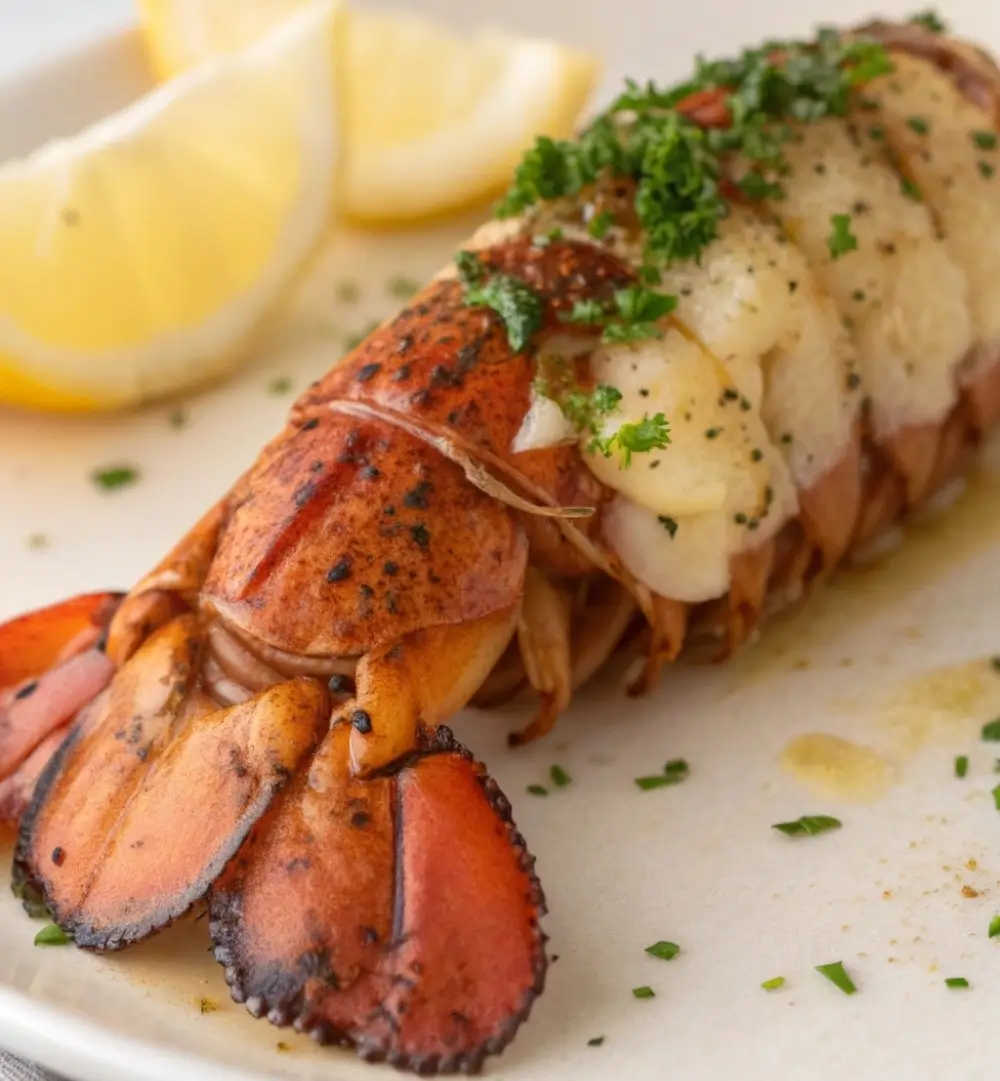
Perfectly cooked lobster:
Turns opaque white
Feels firm but not rubbery
Reaches an internal temperature of about 140°F–145°F
If the meat is still translucent, it needs more time. If it’s dry or tough, it may be overcooked.
Common Beginner Mistakes and How to Avoid Them
Overcooking
This is the most common mistake. Stick to the recommended time and check early if unsure.
Skipping Butterflying
Butterflying helps the lobster cook evenly and prevents dryness.
Over-seasoning
Lobster has a delicate flavor. Simple seasoning works best.
Cooking Straight from Frozen
Always thaw lobster tails for even cooking and better texture.
Serving Easy Lobster Tail
Presentation makes lobster feel special, even for beginners.
Serve lobster tails:
On warm plates
With lemon wedges
Garnished with parsley
With extra melted butter on the side if desired
A simple presentation builds confidence and makes the meal feel rewarding.
Best Side Dishes for Beginner Lobster Meals
Easy Vegetable Sides
Steamed broccoli
Roasted asparagus
Green beans
Sautéed spinach
Simple Starches
Mashed potatoes
Baked potatoes
Rice
Buttered noodles
Light Salads
Mixed greens
Cucumber salad
Tomato and lettuce salad
Keep sides simple so the lobster remains the star.
Making Lobster Tail Feel Less Intimidating
Remember, lobster tail is just another protein. Treat it like you would chicken or fish—pay attention to timing, temperature, and seasoning.
Cooking lobster at home:
Builds kitchen confidence
Saves money
Creates impressive meals
Feels rewarding
Once you cook lobster tail once, it becomes much less intimidating the next time.
Storing and Reheating Leftover Lobster
Storage
Store leftover lobster in an airtight container in the refrigerator for up to 2 days.
Reheating
Reheat gently to avoid drying out:
Wrap in foil with butter
Warm in the oven at 300°F
Avoid microwaving if possible.
Nutritional Benefits of Lobster Tail
Lobster is a lean, nutrient-rich protein.
Benefits include:
High protein content
Low fat
Rich in vitamins and minerals
Naturally satisfying
Prepared simply, lobster fits well into balanced eating plans.
Frequently Asked Questions
Is lobster tail hard to cook for beginners?
No. Lobster tail is one of the easiest seafood dishes to prepare, especially when baked.
Can I cook lobster tail without butter?
Yes, olive oil works well, though butter adds flavor and moisture.
How many lobster tails per person?
One lobster tail per person is usually enough, especially with sides.
Can I prepare lobster tails ahead of time?
You can butterfly and season them a few hours ahead, then bake just before serving.
What if my lobster turns rubbery?
It was likely overcooked. Reduce cooking time next time and check earlier.
Do I need special tools?
No. Kitchen scissors, a baking dish, and a brush are enough.
Can beginners grill lobster tail?
Yes, but oven baking is more forgiving for first-time cooks.
Final Thoughts on Easy Lobster Tail for Beginners
This easy lobster tail recipe proves that cooking lobster at home doesn’t have to be scary or complicated. With simple ingredients, clear steps, and reliable timing, even first-time cooks can achieve tender, flavorful lobster that looks impressive on the plate.
Whether you’re cooking for yourself or someone special, this recipe helps you build confidence in the kitchen while enjoying a meal that feels luxurious yet approachable. Once you try it, you’ll realize lobster tail is not just for restaurants—it’s for home cooks, too.