Introduction
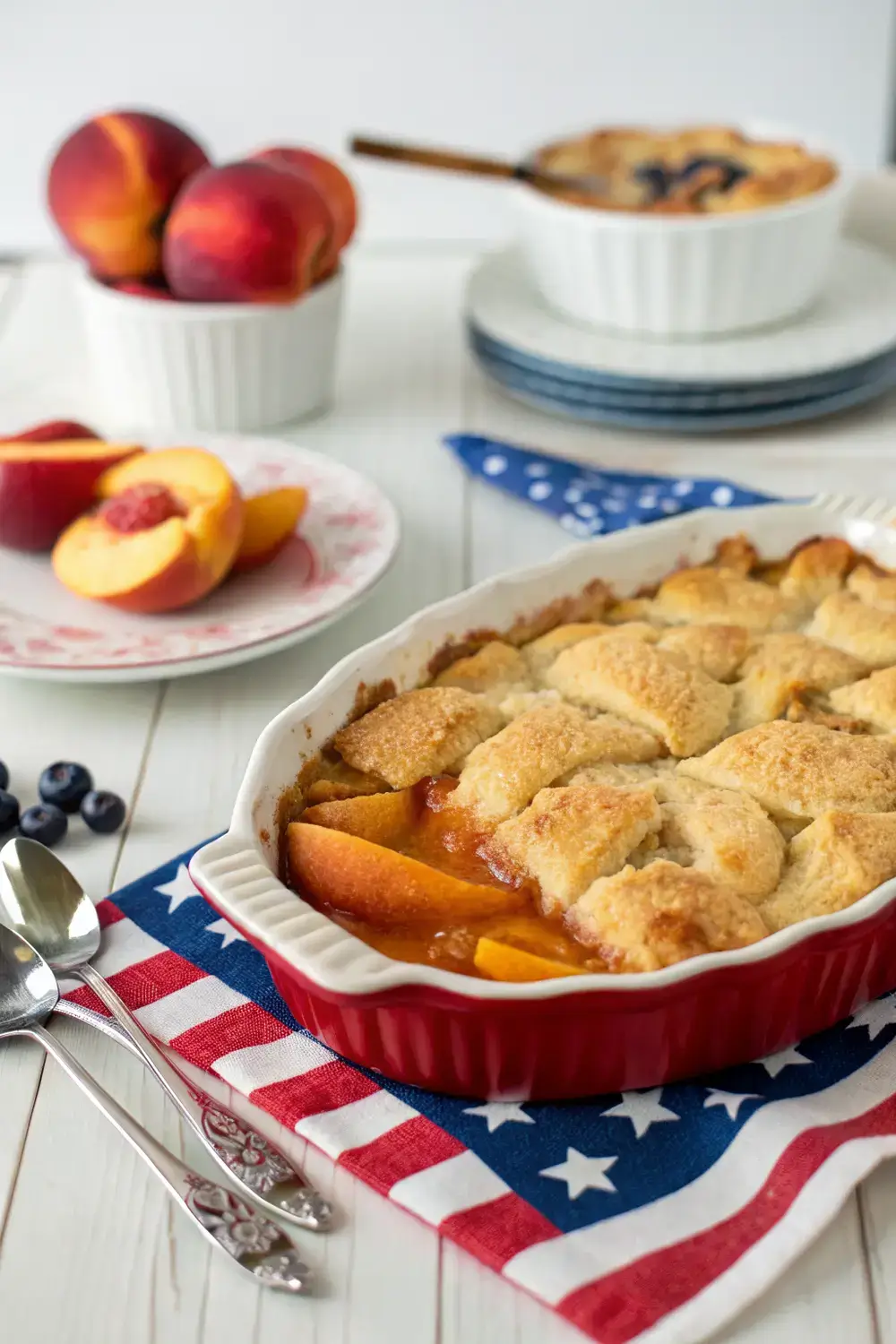
There’s something truly special about a homemade peach cobbler straight from the oven on a warm summer evening. As we approach the Fourth of July, this classic American dessert takes on even more significance, becoming the perfect centerpiece for your patriotic celebration. The sweet aroma of juicy peaches mingling with a buttery biscuit topping is enough to make any gathering feel more festive and welcoming.
In this comprehensive guide, I’ll walk you through every step of creating the most delicious homemade peach cobbler that will have your guests coming back for seconds. Whether you’re a seasoned baker or trying your hand at making dessert from scratch for the first time, this recipe is designed to be foolproof while delivering exceptional results. We’ll explore everything from selecting the perfect peaches to achieving that ideal golden-brown topping that makes a cobbler so irresistible.
Peach cobbler holds a special place in American culinary tradition, particularly during the summer months when fresh peaches are at their peak. This dessert embodies the spirit of home cooking and comfort food while being sophisticated enough to impress your guests at any Fourth of July gathering. The beauty of this recipe lies in its simplicity—you don’t need fancy equipment or advanced baking skills to create something truly spectacular.
As we dive into this recipe, I’ll share tips and tricks that I’ve gathered over years of baking, ensuring your peach cobbler turns out perfectly golden, bubbly, and bursting with flavor. By the end of this guide, you’ll not only have a fantastic dessert for your Independence Day celebration but also the confidence to recreate this American classic whenever the craving strikes.
The Perfect Ingredients for Your Peach Cobbler
Creating an exceptional peach cobbler starts with selecting quality ingredients. Each component plays a crucial role in developing the complex flavors and textures that make this dessert so beloved. Let’s explore what you’ll need and why each ingredient matters.
Fresh Peaches
The star of our show, fresh peaches bring natural sweetness and a juicy texture that simply can’t be replicated with canned alternatives. When selecting peaches, look for fruits that yield slightly to gentle pressure, have a rich, vibrant color, and a fragrant aroma at the stem end. White peaches offer a delicate floral sweetness, while yellow peaches provide a classic tangy-sweet balance that works beautifully in cobblers. For the best results, choose peaches that are ripe but still firm enough to hold their shape during baking.
You’ll need approximately 6-8 medium-sized peaches, which will yield about 4 cups of sliced fruit. When preparing your peaches, the best method is to first score an “X” on the bottom of each peach with a knife. Then, blanch them in boiling water for about 30-60 seconds before transferring immediately to an ice bath. This process makes the skins slide off effortlessly, revealing the succulent flesh beneath. Once peeled, slice the peaches into half-inch thick crescents, removing the pit as you go.
Granulated Sugar
Sugar serves multiple purposes in our peach cobbler recipe. First, it naturally draws out the juices from the peaches, creating a luscious syrup that bubbles up around the biscuit topping. Second, it balances the tartness of the fruit, highlighting their natural sweetness. Third, it contributes to the beautiful golden-brown color of the filling as it bakes.
For this recipe, we’ll use ¾ cup of granulated sugar, but feel free to adjust slightly based on the natural sweetness of your peaches. If you’re using exceptionally sweet peaches, you might reduce the sugar to ½ cup, whereas tarter varieties may benefit from the full ¾ cup or even up to 1 cup.
All-Purpose Flour
All-purpose flour provides the necessary structure to thicken the peach filling, creating that signature saucy consistency that makes a cobbler so satisfying. It helps trap the peach juices, preventing a runny texture while still allowing the filling to remain delightfully spoonable. We’ll use ¼ cup of flour mixed with the peaches and sugar.
Ground Cinnamon
Cinnamon is the perfect spice companion to peaches, enhancing their natural sweetness while adding warmth and complexity to the flavor profile. The aromatic quality of cinnamon becomes even more pronounced as it bakes, filling your kitchen with an irresistible fragrance that signals dessert is nearly ready. We’ll use 1 teaspoon of ground cinnamon, but you can adjust this based on your personal preference. If you enjoy spicier desserts, consider adding a pinch of nutmeg or a dash of ginger for additional depth of flavor.
Lemon Juice
A tablespoon of fresh lemon juice might seem like a small addition, but it plays a crucial role in balancing the sweetness of the peaches and brightening their natural flavor. The acidity helps cut through the richness of the biscuit topping, creating a more complex and satisfying dessert experience. Fresh lemon juice is essential here, as bottled varieties can have a slightly different flavor profile that doesn’t quite deliver the same bright, fresh notes.
Vanilla Extract
Pure vanilla extract adds warmth and depth to both the peach filling and the biscuit topping. Using high-quality pure vanilla extract rather than imitation vanilla makes a noticeable difference in the final flavor. We’ll use 1 teaspoon in the filling and ½ teaspoon in the biscuit topping, creating a cohesive vanilla note throughout the dessert.
Biscuit Topping Ingredients
The biscuit topping is what transforms this dish from simply baked peaches to a true cobbler. Here’s what you’ll need:
All-Purpose Flour: 1½ cups serve as the base for our biscuit topping, creating the structure that will become golden and tender as it bakes.
Baking Powder: 2 teaspoons of baking powder are essential for creating the light, fluffy texture we want in our biscuit topping. This leavening agent helps the biscuits rise slightly, creating pockets of tender dough that perfectly complement the juicy peaches below.
Salt: ½ teaspoon of salt enhances all the flavors in our cobbler, balancing the sweetness and highlighting the natural flavors of the peaches and vanilla.
Unsalted Butter: 6 tablespoons of cold, unsalted butter cut into small pieces create the flaky, tender texture in our biscuit topping. The key to perfect biscuits is keeping the butter cold, which creates pockets of steam as it melts, resulting in that desirable flaky consistency.
Milk: ½ cup of cold milk (buttermilk works exceptionally well if you have it on hand) brings the dough together without making it too sticky. The cold temperature helps maintain the delicate pockets of butter, ensuring a tender result.
Step-by-Step Instructions for Perfect Peach Cobbler
Now that we’ve gathered our ingredients, let’s walk through the process of creating this delightful dessert. I’ll provide detailed instructions along with helpful tips to ensure your peach cobbler turns out perfectly every time.
Preparing Your Peaches
1. Start by thoroughly washing your peaches under cool running water to remove any dirt or residue.
2. As mentioned earlier, score an “X” on the bottom of each peach with a sharp knife.
3. Bring a pot of water to a rolling boil and carefully place the peaches in the boiling water for 30-60 seconds, depending on their ripeness.
4. Immediately transfer the peaches to a bowl of ice water to stop the cooking process and loosen the skins.
5. Once cool enough to handle, use your fingers or a small paring knife to gently peel away the skins starting from the “X” you made earlier.
6. Halve the peaches, remove the pits, and slice each half into crescents about ½ inch thick.
7. Place the sliced peaches in a large mixing bowl and set aside while you prepare the filling mixture.
Creating the Peach Filling
1. To the bowl containing your sliced peaches, add the ¾ cup of granulated sugar, ¼ cup of all-purpose flour, 1 teaspoon of ground cinnamon, 1 tablespoon of fresh lemon juice, and 1 teaspoon of vanilla extract.
2. Gently fold the ingredients together using a spatula until everything is evenly distributed. Be careful not to mash the peaches as you mix.
3. Allow the peach mixture to sit while you prepare the biscuit topping. This resting period helps the sugar draw out some of the peach juices, which will create a more flavorful filling.
4. Preheat your oven to 375°F (190°C) and have your baking dish ready.
Preparing the Biscuit Topping
1. In a medium-sized mixing bowl, whisk together 1½ cups of all-purpose flour, 2 teaspoons of baking powder, and ½ teaspoon of salt.
2. Add the 6 tablespoons of cold, unsalted butter that has been cut into small, pea-sized pieces.
3. Using a pastry blender, two knives, or simply your fingertips, work the butter into the flour mixture until it resembles coarse crumbs with some pea-sized pieces of butter remaining. This step is crucial for achieving a flaky texture in your biscuit topping.
4. Pour in the ½ cup of cold milk and gently mix with a fork until the dough just comes together. Be careful not to overmix, as this can result in tough biscuits.
5. Turn the dough out onto a lightly floured surface and gently pat it into a rectangle about ½ inch thick.
Assembling the Cobbler
1. Choose a baking dish that’s approximately 9×13 inches or similar in size. A deeper dish like a Dutch oven or cast iron skillet also works beautifully and can help create a more even bake.
2. Pour the peach filling (including all the accumulated juices) into your prepared baking dish and spread it evenly.
3. Using a knife or bench scraper, cut the biscuit dough into squares or rounds, depending on your preference. For a more rustic appearance, you can simply tear off pieces of dough with your hands.
4. Arrange the dough pieces over the peach filling, leaving some space between them for the filling to bubble up around the edges.
5. For a beautiful golden-brown finish, you can brush the top of the biscuit dough with a little milk or a beaten egg mixed with a tablespoon of milk. This step is optional but highly recommended for achieving an appealing color.
Baking Your Peach Cobbler
1. Place the assembled cobbler on the center rack of your preheated 375°F (190°C) oven.
2. Bake for 35-45 minutes, or until the filling is bubbly and the biscuit topping is golden brown and cooked through.
3. To check if the biscuit topping is done, insert a toothpick or skewer into one of the biscuits. It should come out clean with no doughy residue.
4. For the last 10 minutes of baking, you might want to cover the edges of the cobbler with aluminum foil to prevent over-browning if necessary.
5. Once baked, remove the cobbler from the oven and let it cool for at least 15-20 minutes before serving. This resting period allows the filling to set slightly, making it easier to serve and preventing a runny consistency.
Serving Suggestions for Your 4th of July Celebration
A beautiful dessert deserves an equally beautiful presentation, especially when celebrating a holiday as festive as the Fourth of July. Here are some serving suggestions that will make your peach cobbler the star of your dessert table:
Vanilla Ice Cream
Nothing complements warm peach cobbler quite like a scoop of creamy vanilla ice cream. The contrast between the hot, fruity filling and the cold, sweet ice cream creates an irresistible combination. For an extra patriotic touch, look for vanilla ice cream with flecks of blueberries or strawberries, or serve it alongside a scoop of strawberry or blueberry ice cream.
Whipped Cream
Freshly whipped cream adds a light, airy element to the rich peach cobbler. You can keep it simple with sweetened whipped cream, or get creative by folding in fresh blueberries or strawberry puree for a patriotic twist. For an even more festive presentation, use a star-shaped piping tip to create dollops of whipped cream on each serving.
Fresh Berries
Garnish your cobbler with fresh blueberries and raspberries for a pop of color that perfectly matches the Fourth of July theme. The tartness of these berries provides a delightful contrast to the sweet peaches and rich biscuit topping.
Patriotic Table Decor
Present your peach cobbler on a red, white, and blue decorated dessert table. Consider using a flag-themed tablecloth, napkins in coordinating colors, and small American flags as decorative elements. Glass dessert dishes in red or blue can add an extra touch of festivity.
Beverage Pairings
Complement your peach cobbler with refreshing beverages that enhance the celebration. Consider lemonade, iced tea, or sparkling water with fresh berries. For adults, a peach bellini (using sparkling grape juice instead of alcohol) can be a festive non-alcoholic option.
Cooking Variations and Substitutions
One of the wonderful things about peach cobbler is its versatility. Here are some variations and substitutions you can try to customize this recipe to your preferences or accommodate dietary restrictions:
Fruit Variations
While peaches are the traditional choice for cobbler, you can easily substitute other fruits or create combinations:
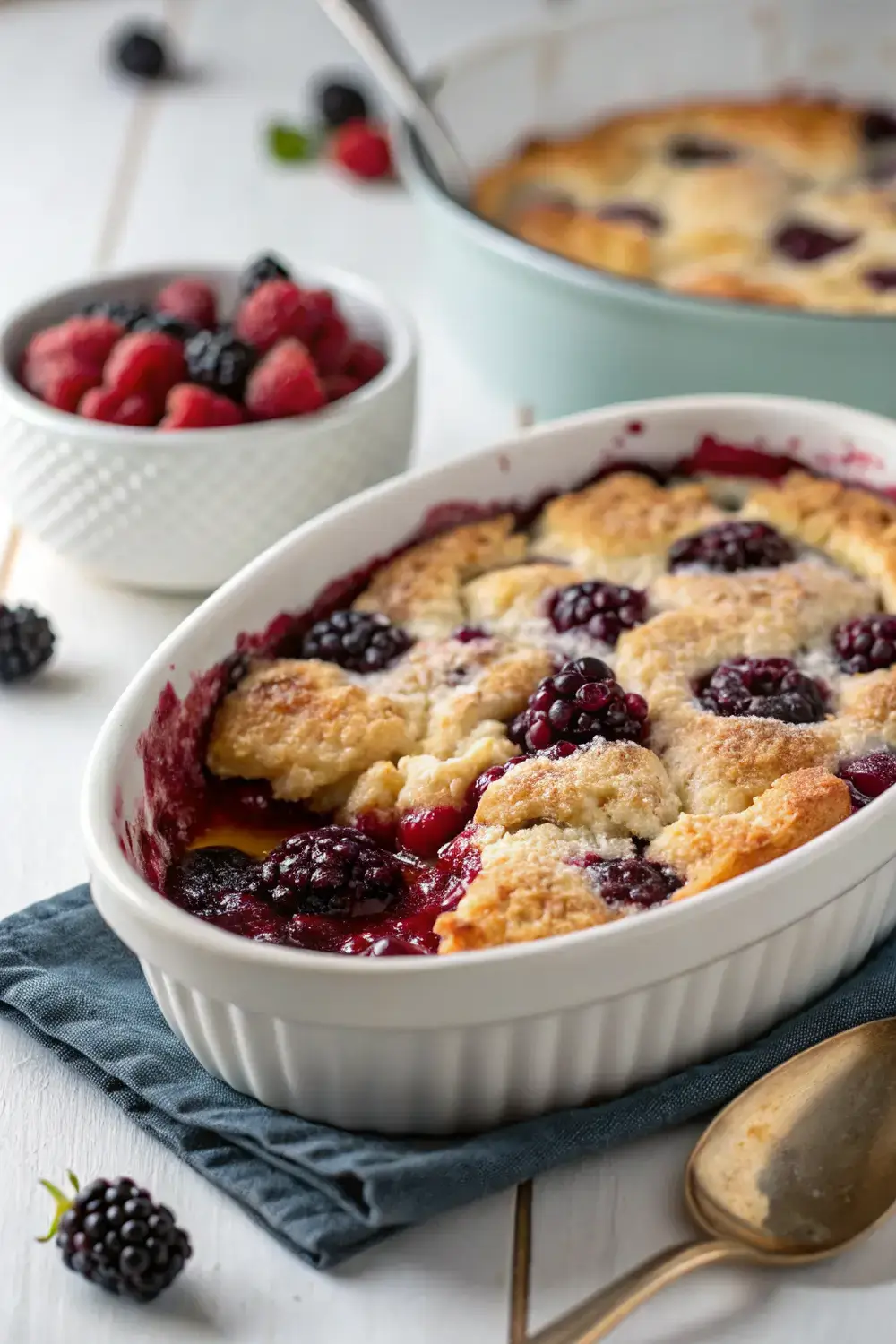
– Mixed Berry Cobbler: Combine peaches with blueberries, raspberries, and blackberries for a colorful, patriotic twist.
– Apple Peach Cobbler: Add sliced apples to the peach filling for additional texture and flavor complexity.
– Stone Fruit Cobbler: Experiment with nectarines, plums, or apricots either alone or in combination with peaches.
– Summer Fruit Medley: Create a filling with peaches, blueberries, and a handful of fresh raspberries for a vibrant Fourth of July dessert.
Gluten-Free Option
For those following a gluten-free diet, you can easily adapt this recipe:
– Substitute all-purpose flour with a 1-to-1 gluten-free baking blend in both the filling and the biscuit topping.
– Ensure your baking powder is certified gluten-free, as some brands contain wheat starch.
– The texture may be slightly different, but the flavor will still be delicious.
Lower Sugar Option
To reduce the sugar content:
– Decrease the granulated sugar to ½ cup or even less, depending on the natural sweetness of your peaches.
– Add a tablespoon of honey or maple syrup to enhance the sweetness with a different flavor profile.
– Consider using a sugar substitute like erythritol or stevia, though this may affect the texture and browning properties.
Dairy-Free Option
To make this recipe dairy-free:
– Substitute the butter with a high-quality plant-based butter that has a high fat content (at least 80%).
– Replace the milk with almond milk, oat milk, or your preferred non-dairy alternative.
– For the whipped cream topping, use a coconut-based whipped cream or store-bought dairy-free whipped topping.
Spice Variations
While cinnamon is traditional, feel free to experiment with other spices:
– Add a pinch of nutmeg for warmth and depth.
– Try a dash of ginger for a slightly spicy kick.
– For a more complex flavor profile, add a quarter teaspoon of cardamom or allspice.
– If you enjoy spicy desserts, a small pinch of cayenne pepper can provide an interesting contrast to the sweet peaches.
Crumb Topping Alternative
If you prefer a crumb topping over a biscuit topping:
– Mix 1 cup of flour, ½ cup of brown sugar, ½ teaspoon of cinnamon, and ½ teaspoon of salt.
– Cut in 6 tablespoons of cold butter until the mixture resembles coarse crumbs.
– Sprinkle over the peach filling before baking for a crunchy, streusel-like topping.
Storage and Reheating Tips
Leftover peach cobbler is just as delicious as when it’s freshly made, if you store it properly. Here are some tips for keeping your cobbler fresh and maintaining its texture and flavor:
Storing at Room Temperature
Peach cobbler can be safely stored at room temperature for up to 24 hours, as long as your kitchen is cool (around 68-70°F or 20-21°C). Cover the dish loosely with aluminum foil or a kitchen towel to protect it from dust and insects. After 24 hours, however, it should be refrigerated to maintain freshness and food safety.
Refrigeration
For longer storage, transfer any leftovers to an airtight container or cover the baking dish tightly with plastic wrap or aluminum foil. Properly stored, peach cobbler will keep in the refrigerator for up to 4-5 days. The flavors will actually continue to develop during this time, making it taste even better the next day.
Freezing
Peach cobbler freezes exceptionally well, making it a great make-ahead dessert for your 4th of July celebration:
– Allow the cobbler to cool completely at room temperature before freezing.
– Once cooled, cover the baking dish with aluminum foil, then wrap it tightly in plastic wrap, or transfer portions to airtight freezer-safe containers.
– For optimal freshness, use within 2-3 months, though it will remain safe to eat for up to 6 months.
– When you’re ready to enjoy it, thaw the cobbler overnight in the refrigerator before reheating.
Reheating Methods
Proper reheating is key to restoring the fresh-baked texture and warm flavors of your peach cobbler:
Oven Method: Preheat your oven to 350°F (175°C). Place the cobbler (covered with aluminum foil if it’s been refrigerated or frozen) in the oven and heat for 15-20 minutes, or until warmed through. For a crispy topping, remove the foil for the last 5-10 minutes of reheating.
Microwave Method: Transfer individual servings to microwave-safe dishes. Heat on medium power for 1-2 minutes, checking periodically until warmed through. Note that the biscuit topping may become slightly softer when microwaved.
Stovetop Method: For individual portions, you can reheat in a small saucepan over low heat, adding a tablespoon or two of water to prevent sticking and help create a sauce-like consistency.
Serving Temperature: Peach cobbler is best served warm rather than piping hot. Let it sit for 5-10 minutes after reheating to allow the filling to set slightly, making it easier to serve.
Signs of Spoilage
Despite proper storage, it’s important to know when your cobbler has gone bad. Discard the peach cobbler if you notice:
– Mold growth on any part of the dish
– An off odor, particularly a sour or fermented smell
– Unusual texture changes, such as sliminess in the filling
– Excessive liquid separation that doesn’t recombine when stirred
Common Mistakes to Avoid
Even with a straightforward recipe like peach cobbler, a few common pitfalls can affect the final result. By being aware of these potential issues, you can ensure your cobbler turns out perfectly golden, bubbly, and delicious every time.
Using Underripe Peaches
One of the most significant mistakes is using underripe peaches. These peaches will lack the natural sweetness and juicy texture that make a great cobbler. To avoid this, always choose peaches that are fragrant and yield slightly to gentle pressure. If you accidentally use peaches that aren’t quite ripe, you can help sweeten them by adding an extra tablespoon of sugar and letting them macerate with the sugar for 30 minutes before baking.
Overmixing the Biscuit Topping
When preparing the biscuit topping, overmixing is a common mistake that can result in tough, dense biscuits rather than light, flaky ones. Mix the dough just until it comes together—there should still be some visible streaks of flour. Remember, a light hand is key to tender biscuits. If you’re concerned about getting the consistency right, err on the side of undermixing rather than overmixing.
Not Preheating the Oven
Starting your cobbler in a preheated oven is crucial for proper baking. If you place the cobbler in a cold oven, the biscuit topping may become soggy before it has a chance to set and brown. Always ensure your oven is fully preheated to the correct temperature before putting in your cobbler. For the most accurate results, consider using an oven thermometer to verify your oven’s actual temperature, as many run hotter or cooler than their setting indicates.
Skipping the Resting Time
Allowing your peach cobbler to rest for at least 15-20 minutes after removing it from the oven is essential. This resting period allows the filling to set slightly, making it easier to serve without it being too runny. It also helps the flavors to meld together, creating a more harmonious dessert. While it may be tempting to dig in immediately, patience will be rewarded with a better-textured and more flavorful cobbler.
Using Canned Peaches
While convenient, canned peaches simply don’t compare to fresh peaches in terms of flavor and texture. They tend to be softer and have a different sweetness profile that can make the cobbler taste artificial. If you absolutely must use canned peaches, be sure to drain them thoroughly and pat them dry before using. You’ll also want to reduce the sugar in the recipe, as canned peaches are typically already packed in syrup.
Overcrowding the Baking Dish
Using a baking dish that’s too small can cause the filling to bubble over during baking, creating a messy oven and uneven cooking. As a general rule, your peaches should fill the dish no more than two-thirds full to allow room for the biscuit topping and for the filling to bubble up without spilling over. If you don’t have an appropriately sized dish, consider making two smaller cobblers rather than forcing everything into one dish.
Neglecting to Adjust for Altitude
If you’re baking at high altitudes, you’ll need to make some adjustments to ensure proper results. At altitudes above 3,500 feet, you may need to increase the oven temperature by 15-25°F and decrease the baking time slightly. You might also need to reduce the amount of leavening agents (like baking powder) by about 25% to prevent the cobbler from rising too quickly and then collapsing.
Not Protecting the Edges
If you notice the edges of your biscuit topping browning too quickly before the center is done, cover them with aluminum foil for the remainder of the baking time. This simple step prevents burning while allowing the center to continue cooking to perfection. A good rule of thumb is to check your cobbler after 20 minutes of baking and cover the edges if they’re getting too dark.
Frequently Asked Questions
As with any classic recipe, questions often arise about techniques, ingredient choices, and serving suggestions. Here are some of the most frequently asked questions about making homemade peach cobbler:
Can I use frozen peaches instead of fresh ones?
Yes, frozen peaches can be used in this recipe with excellent results. The advantage of frozen peaches is that they’re typically picked at peak ripeness and frozen quickly, preserving their flavor and nutritional content. When using frozen peaches, there’s no need to thaw them first—simply toss them frozen with the other filling ingredients. You may need to add an extra tablespoon or two of flour to help thicken the additional liquid that will be released as the frozen peaches cook. The baking time might also need to be extended by 5-10 minutes to ensure the filling is properly cooked through.
How do I prevent the biscuit topping from becoming soggy?
The key to preventing a soggy biscuit topping is to create a barrier between the filling and the dough. You can achieve this by sprinkling a thin layer of flour or breadcrumbs over the filling before adding the biscuit topping. Additionally, ensure your oven is properly preheated, as a cold oven can cause the topping to absorb too much moisture before it begins to set. If you’re making the cobbler ahead of time, consider refrigerating the filling and preparing the biscuit topping just before baking to minimize moisture absorption.
Can I make this recipe in individual servings?
Absolutely! Making individual peach cobblers is a wonderful way to portion control and create an elegant presentation. Simply use ramekins or small oven-safe bowls (about 6-8 ounces each). Divide the peach filling among the dishes, then place small rounds or squares of biscuit dough on top. Individual cobblers will bake more quickly, typically in 20-25 minutes, so keep a close eye on them to prevent over-browning. You may need to reduce the oven temperature slightly to 350°F (175°C) to account for the smaller surface area.
What’s the best way to thicken the filling if it’s too runny?
If your peach cobbler filling turns out thinner than expected after baking, there are a few ways to thicken it. For future batches, you can add an extra tablespoon of flour to the filling mixture. If your cobbler is already baked and the filling is too runny, you can create a slurry by mixing 1 tablespoon of cornstarch with 2 tablespoons of cold water, then drizzling it over the filling and returning it to the oven for an additional 5-10 minutes. Alternatively, you can let the cobbler cool completely, which will naturally thicken the filling as it sets.
Can I prepare the peach cobbler in advance?
Yes, peach cobbler is an excellent make-ahead dessert that actually benefits from being prepared a day ahead. You can assemble the entire cobbler (filling and topping) and refrigerate it overnight before baking. When you’re ready to serve, simply place it in a preheated oven and add 5-10 minutes to the baking time to account for the chilled ingredients. This approach allows the flavors to meld together even more, resulting in a more complex and delicious dessert.
How do I know when the biscuit topping is fully cooked?
The biscuit topping is fully cooked when it’s golden brown and a toothpick or skewer inserted into the center of one of the biscuits comes out clean with no doughy residue. You should also notice that the topping has risen slightly and developed a pleasant, baked aroma. If the top is browning too quickly before the center is done, cover the edges with aluminum foil and continue baking until the interior is fully cooked.
Can I use other fruits besides peaches?
Absolutely! While peaches are traditional for cobbler, many other fruits work beautifully. Nectarins, plums, apricots, and even apples or pears can be used successfully. For a mixed fruit cobbler, combine peaches with berries like blueberries or raspberries for additional flavor and color. Keep in mind that different fruits have varying water contents, so you may need to adjust the amount of flour in the filling to achieve the right consistency.
What’s the difference between a cobbler, a crisp, and a crumble?
While these terms are often used interchangeably, there are subtle differences. A cobbler features a biscuit-like or drop dough topping, as in our recipe. A crisp has a streusel topping made with oats, flour, and butter that creates a crunchy texture. A crumble is similar to a crisp but typically doesn’t include oats in the topping. All three are delicious ways to enjoy baked fruit, but the topping method and texture are what distinguish them from one another.
Conclusion
Homemade peach cobbler is more than just a dessert—it’s a celebration of American culinary tradition, a showcase of seasonal flavors, and the perfect centerpiece for your Fourth of July gathering. This simple yet sophisticated recipe brings together sweet, juicy peaches and a tender, buttery biscuit topping to create a dessert that’s both comforting and impressive.
As we’ve explored throughout this guide, the key to exceptional peach cobbler lies in using quality ingredients, proper preparation techniques, and a bit of patience. From selecting the perfect peaches to achieving that ideal golden-brown topping, each step contributes to the final, delightful result that will have your guests asking for the recipe.
What makes this recipe particularly special for Independence Day is its versatility and adaptability. Whether you’re serving it at a backyard barbecue, a formal dinner party, or a casual family gathering, the peach cobbler fits perfectly into the festive atmosphere. Its warm colors and sweet aroma embody the joy of summer celebrations while honoring the classic American desserts that have been cherished for generations.
Beyond its patriotic appeal, peach cobbler offers a connection to our agricultural heritage. Peaches have been cultivated in America since the 17th century, and this dessert represents a time when home cooking was about making the most of seasonal ingredients. Today, when we bake a peach cobbler, we’re participating in that same tradition of transforming simple, fresh ingredients into something extraordinary.
The beauty of this recipe extends beyond its taste and appearance—it’s also about the memories it creates. Imagine the scene: your family and friends gathered around the dessert table, plates piled high with warm peach cobbler topped with vanilla ice cream, their faces lighting up with each bite. These are the moments that define holiday celebrations and make the effort of baking from scratch worthwhile.
As you prepare this peach cobbler for your Fourth of July festivities, remember that you’re not just making a dessert—you’re creating an experience. You’re combining the freshest summer produce with time-honored baking techniques to produce something that will delight your senses and bring people together.
So go ahead, embrace the spirit of the season, and bake a peach cobbler that will become the highlight of your Independence Day celebration. Whether you’re a seasoned baker or trying your hand at making dessert from scratch for the first time, this recipe is designed to be accessible while delivering exceptional results.
May your Fourth of July be as sweet and memorable as a perfectly baked peach cobbler, filled with warmth, joy, and the simple pleasures of good food and great company. Happy baking, and happy Independence Day!