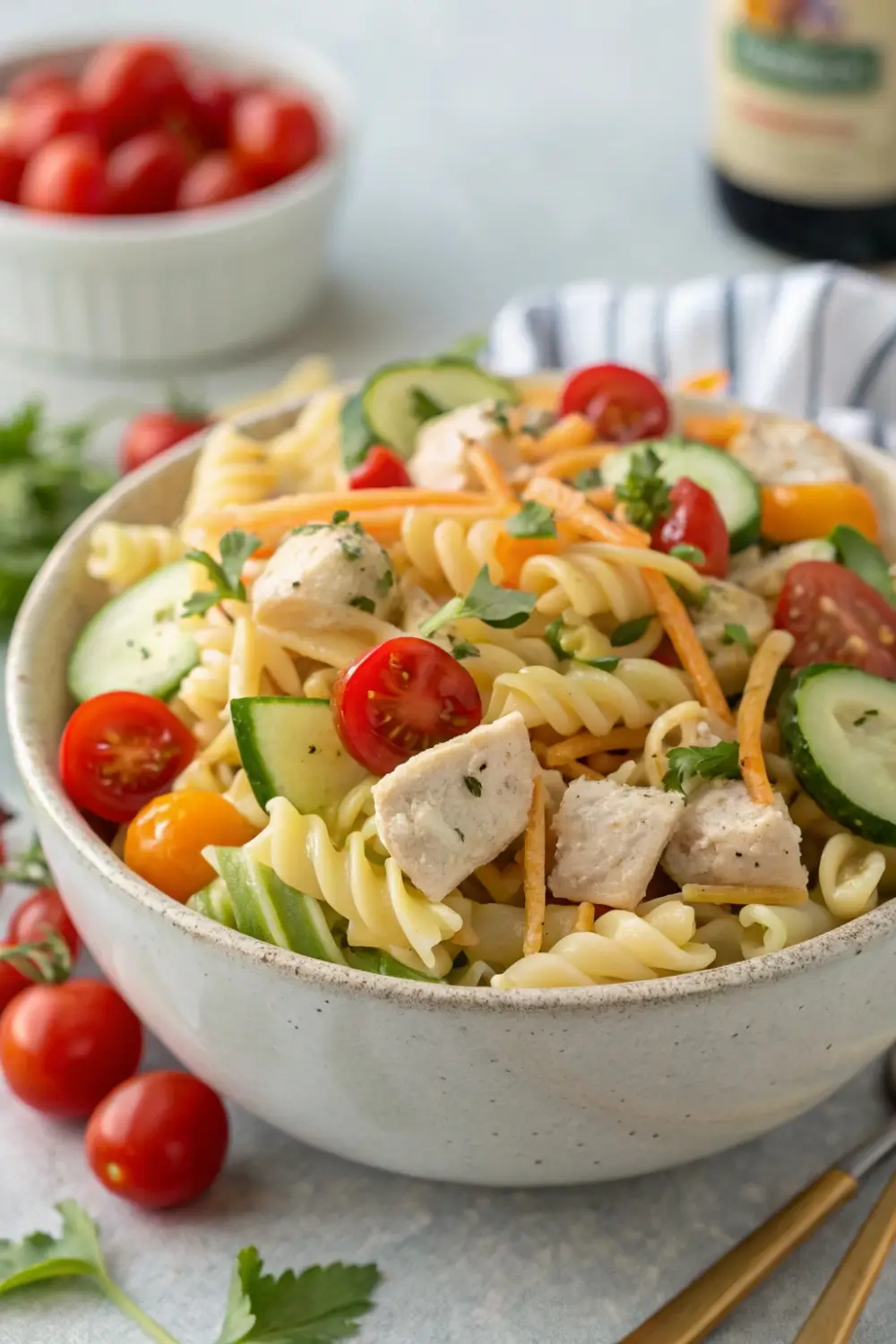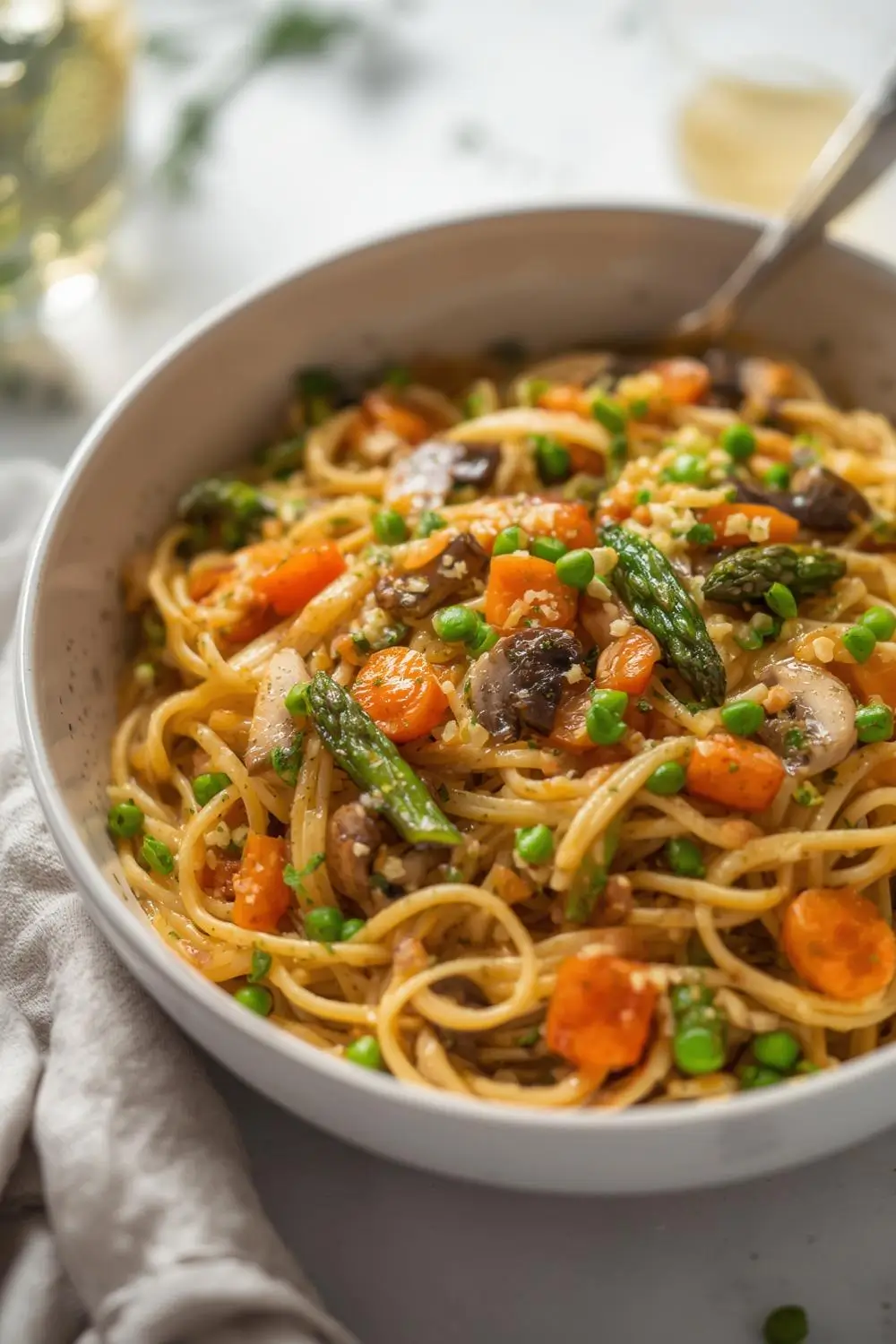
Welcome to a celebration of spring on your plate! This vibrant Spring Vegetable Pasta with Lemon Garlic Sauce is more than just a meal; it’s a burst of sunshine and freshness that perfectly captures the essence of the season. Imagine tender asparagus, sweet peas, crisp carrots, and earthy mushrooms all dancing together in a bright, zesty lemon garlic sauce. This dish is pure magic – incredibly simple to make, bursting with flavor, and ready in just 30 minutes. It’s the perfect answer to busy weeknights or an elegant, light dinner for guests. The beauty lies in its simplicity and the incredible freshness of its ingredients. The lemon garlic sauce, made with just a few pantry staples, clings beautifully to every strand of pasta and vegetable, creating a harmonious blend of bright acidity and savory depth. The visual appeal is undeniable too, with a rainbow of colors that makes it as pleasing to the eye as it is to the palate. Packed with nutrients and bursting with flavor, this vegetarian (and easily gluten-free) pasta is a crowd-pleaser that will have everyone asking for the recipe. Let’s dive into creating this springtime masterpiece.
Why This Recipe is a Must-Try:
- Effortless Elegance: Achieve restaurant-quality results in under 30 minutes.
- Seasonal Spotlight: Showcases the best of spring vegetables at their peak.
- Flavor Symphony: The bright lemon cuts through the savory garlic, perfectly balancing the natural sweetness of the veggies.
- Versatile & Adaptable: Easily customizable – add grilled chicken, shrimp, or keep it vegetarian.
- Visual Feast: A stunning array of colors makes it irresistible.
- Nutrient Powerhouse: Packed with vitamins and fiber from the fresh produce.
- Simple Pantry Magic: The sauce relies on basic ingredients you likely already have.
The Heart of the Dish: Ingredients Explained
The magic happens with just a handful of high-quality, fresh ingredients. Here’s what you’ll need and why each one matters:
- Pasta: Choose your favorite shape – linguine, fettuccine, or even penne work beautifully. For a gluten-free option, use a high-quality GF pasta. The pasta acts as the perfect canvas for the vibrant sauce and vegetables.
- Spring Vegetables: This is where the dish shines! Use the freshest you can find:
* Asparagus: Trimmed and cut into 1-2 inch pieces. Its tender texture and subtle earthiness are essential.
* Peas: Fresh or frozen (thawed). They add a sweet pop of color and a delightful pop of texture.
* Carrots: Julienned or thinly sliced. They bring crunch, sweetness, and a beautiful orange hue.
* Mushrooms: Cremini or white button work well. They add meaty depth and umami richness. Slice them evenly for even cooking.
- Lemon Garlic Sauce: The soul of the dish. This simple sauce creates the bright, zesty coating:
* Lemon Juice: Freshly squeezed is non-negotiable for maximum brightness and flavor. Bottled won’t cut it here.
* Garlic: Minced or finely grated. It provides the savory, aromatic base. Don’t skip it!
* Olive Oil: Extra virgin olive oil adds fruity richness and helps emulsify the sauce.
* Salt & Black Pepper: Essential for balancing and enhancing all the other flavors.
* Optional: A pinch of red pepper flakes for a gentle kick, or a teaspoon of honey or maple syrup to mellow the acidity slightly if preferred.
Step-by-Step: Bringing it All Together
Creating this dish is a straightforward, joyful process. Here’s how to achieve perfection:
1. Prepare Your Ingredients: Trim the asparagus, slice the carrots and mushrooms, and have your peas ready. Mince the garlic. Having everything prepped (mise en place) makes the cooking process smooth and efficient.
2. Cook the Pasta: Bring a large pot of well-salted water to a rolling boil. Add your pasta and cook according to package directions until al dente (usually 8-12 minutes). Reserve at least 1 cup of the starchy pasta water before draining. This starchy water is crucial for helping the sauce cling to the pasta.
3. Sauté the Vegetables: While the pasta cooks, heat 1-2 tablespoons of olive oil in a large skillet or wok over medium-high heat. Add the sliced mushrooms and a pinch of salt. Cook, stirring occasionally, until they release their liquid and start to brown slightly, about 5-7 minutes. Add the asparagus pieces and cook for another 3-4 minutes until tender-crisp. Add the julienned carrots and cook for 2-3 minutes more. Finally, add the peas and cook just until heated through, about 1 minute. Remove the vegetable mixture from the skillet and set aside.
4. Create the Lemon Garlic Sauce: In the same skillet (no need to wash it yet!), add the minced garlic and cook over medium heat for about 30 seconds, just until fragrant – don’t let it brown. Carefully pour in the freshly squeezed lemon juice and stir to combine. Let it bubble gently for about 1 minute to slightly reduce and intensify the flavor. Remove the skillet from the heat.
5. Combine Everything: Add the drained pasta directly to the skillet with the lemon garlic mixture. Toss everything together vigorously to coat the pasta and vegetables evenly. The heat from the pasta will gently warm the sauce. If the sauce seems too thick, add a splash of the reserved pasta water, a tablespoon at a time, until it reaches a glossy, cohesive consistency that coats the pasta beautifully.
6. Finish & Serve: Taste and adjust seasoning with salt and freshly ground black pepper. If desired, stir in a teaspoon of olive oil for extra richness. Divide the pasta among serving bowls. Garnish generously with freshly chopped parsley or basil for a burst of color and freshness. A final squeeze of lemon juice over each serving is a lovely touch.
Tips for Success:
- Fresh is Best: Use the freshest spring vegetables you can find. They make the biggest difference in flavor and texture.
- Don’t Overcook Veggies: Aim for tender-crisp vegetables. Overcooking makes them mushy and loses their vibrant color and nutrients.
- Fresh Lemon Juice is Key: Bottled lemon juice lacks the bright, complex flavor needed for this sauce.
- Reserve Pasta Water: This starchy water is your secret weapon for creating a silky, clinging sauce.
- Don’t Skip the Garlic: It’s the savory backbone of the sauce. Mince it finely or grate it for maximum flavor release.
- Adjust Acidity: If the lemon flavor is too sharp for your taste, a tiny pinch of honey or maple syrup can balance it perfectly.
- Protein Boost: For a heartier meal, simply add cooked, diced chicken, shrimp, or crumbled tofu to the vegetable mixture before tossing with the pasta.
Variations & Substitutions: Make it Your Own
This recipe is incredibly adaptable. Here are some ideas to customize it:
- Protein Power: Add 1-2 cups of cooked, diced chicken breast, shrimp, or crumbled tofu to the vegetable mixture before combining with the pasta.
- Cheese Lover’s Delight: Stir in 1/2 cup of grated Parmesan cheese (or a vegan alternative) into the sauce just before tossing with the pasta for extra richness.
- Herb Garden: Substitute or add fresh herbs like basil, dill, or tarragon to the sauce for different flavor profiles.
- Spice It Up: Add a pinch of red pepper flakes to the garlic while sautéing for a subtle heat, or stir in a teaspoon of Dijon mustard for a tangy twist.
- Vegetable Swap: Feel free to swap out any vegetable based on what you have or love. Zucchini, bell peppers, or green beans would all work well. Just adjust cooking times accordingly.
- Gluten-Free: Use your favorite gluten-free pasta shape. Ensure your sauce ingredients (like soy sauce if used, though not in this recipe) are GF if needed.
- Vegan: Ensure your pasta is vegan, and use a vegan butter or olive oil. Skip the Parmesan.
Storage & Reheating: Keeping the Magic Alive
- Refrigeration: Store any leftovers in an airtight container in the refrigerator for up to 3 days. The vegetables might soften slightly, but the flavors will remain delicious.
- Reheating: Reheat gently on the stovetop over medium-low heat, adding a splash of water or broth if the sauce seems dry. Stir constantly to prevent sticking. You can also reheat in the microwave, but stirring frequently helps prevent hot spots. Avoid reheating more than once.
- Freezing: This dish doesn’t freeze particularly well due to the texture of the vegetables and pasta changing upon thawing and reheating. It’s best enjoyed fresh.
Common Mistakes to Avoid
- Overcooking Vegetables: Leads to mushy, less flavorful results.
- Using Bottled Lemon Juice: Lacks the brightness and complexity of fresh juice.
- Burning the Garlic: Cook garlic gently over medium heat; high heat burns it quickly, making it bitter.
- Sauce Too Thick: Remember to reserve pasta water to adjust consistency if needed.
- Skipping Salt: Salt enhances all the other flavors. Taste and season generously.
- Not Tossing Vigorously: Ensure every strand of pasta and piece of vegetable is coated in the delicious sauce.
Frequently Asked Questions (FAQs)
1. Can I use frozen peas? Absolutely! Just make sure they are thawed before adding them to the skillet.
2. What if I don’t have asparagus? Feel free to substitute with green beans, sugar snap peas, or broccoli florets.
3. Can I make this ahead of time? The pasta and vegetables are best served fresh. You can prep the vegetables and sauce components separately and combine just before serving for optimal texture.
4. Is this dish spicy? Not inherently. It has a subtle background from the garlic and optional red pepper flakes. Adjust to your taste.
5. Can I use a different pasta shape? Yes! Penne, fusilli, or even short rigatoni work well. Just ensure it’s a shape that holds sauce nicely.
6. Is this recipe vegan? Yes, it is naturally vegan. Ensure your pasta is vegan and avoid any dairy-based garnishes like Parmesan (use nutritional yeast or vegan cheese instead).
7. How do I know when the vegetables are done? They should be tender-crisp – easily pierced with a fork but still holding their shape and vibrant color. Asparagus and carrots take slightly longer than peas and mushrooms.
8. Can I add more garlic? Of course! Adjust the amount to your garlic preference. Just be mindful not to burn it.
9. What can I serve with this pasta? It’s a complete meal on its own, but it pairs beautifully with a simple green salad or crusty bread for soaking up the sauce.
10. Can I double the recipe? Yes, simply scale up the ingredients proportionally. You might need a larger skillet or wok.
A Final Note of Joy
There’s something incredibly satisfying about creating a vibrant, flavorful meal from simple, fresh ingredients. This Spring Vegetable Pasta with Lemon Garlic Sauce embodies that joy. It’s a testament to the season’s bounty, a celebration of color and taste, and a reminder that the most delicious meals are often the simplest. The bright lemon and savory garlic dance with the tender vegetables, creating a harmony that’s both comforting and uplifting. It’s a dish that feels like a warm hug on a cool spring evening or a refreshing burst of energy on a warm day. So gather your freshest spring produce, embrace the simplicity, and let this vibrant pasta bring a little sunshine to your table. Enjoy every delicious, colorful bite!