Table of Contents
- 1 A Classic Dish with a Bold, Tangy Upgrade
- 2 Why You’ll Love This Recipe
- 3 Ingredients You’ll Need
- 4 The Secret Behind the Mustard Glaze
- 5 Preparing Your Ingredients
- 6 Step-by-Step Cooking Instructions
- 7 Applying the Mustard Glaze
- 8 Building the Final Dish
- 9 Tips for Perfect Results
- 10 Flavor Variations to Try
- 11 Serving Suggestions
- 12 Storage and Reheating
- 13 Nutritional Overview
- 14 Common Mistakes to Avoid
- 15 Frequently Asked Questions
- 16 Why This Recipe Stands Out
- 17 Creative Ways to Use Leftovers
- 18 Final Thoughts
A Classic Dish with a Bold, Tangy Upgrade
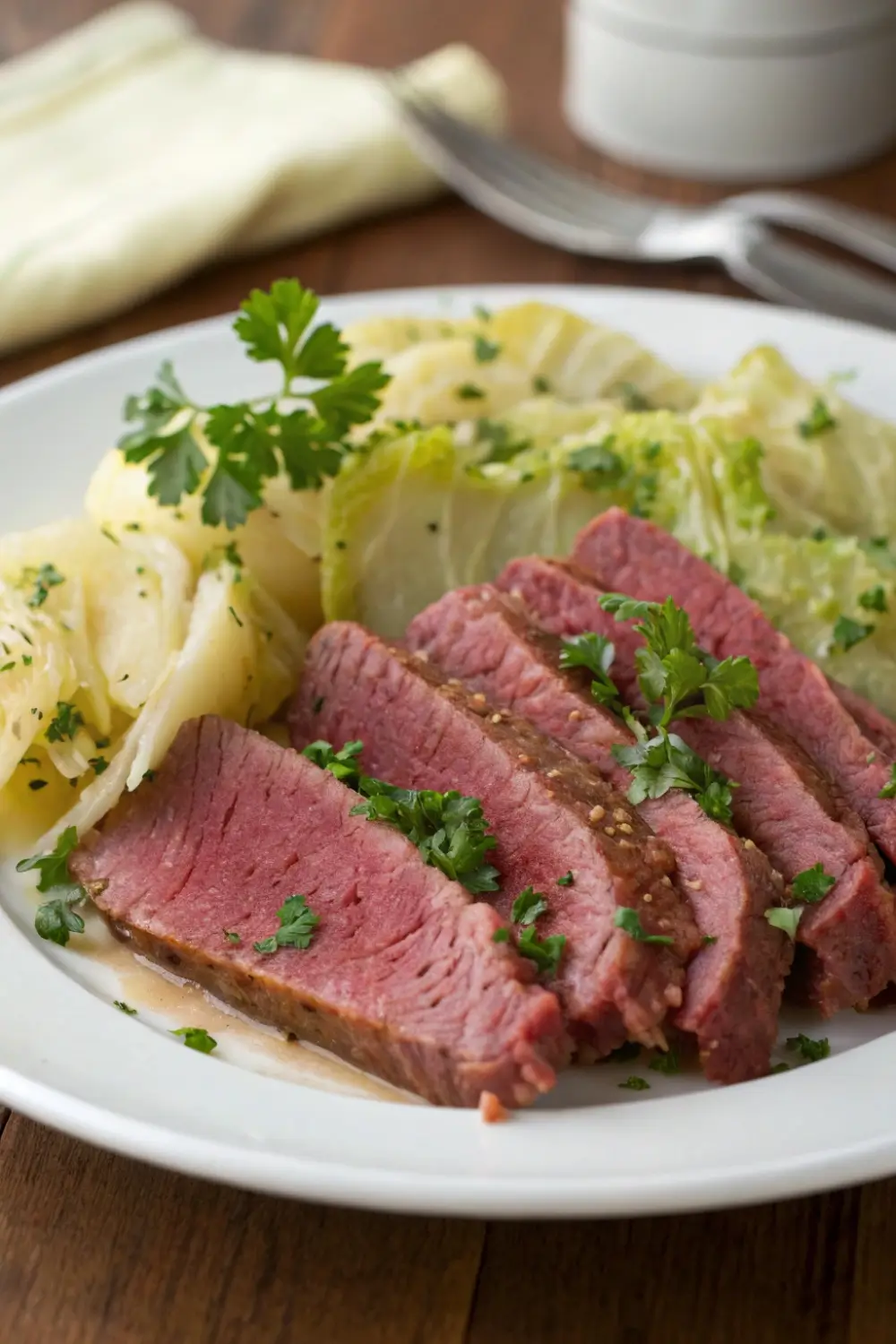
Corned beef and cabbage has long been known as a comforting, hearty meal built on simple ingredients and slow cooking. This version keeps everything you love about the traditional dish while adding a rich mustard glaze that brings a new layer of flavor.
The glaze introduces a gentle tanginess that complements the savory depth of the corned beef and the natural sweetness of the vegetables. Instead of overpowering the dish, it enhances each component, creating a balanced and satisfying meal that feels both familiar and refreshed.
Perfect for cozy dinners or when you want to elevate a classic without complicating the process, this recipe delivers both comfort and flavor in every bite.
Why You’ll Love This Recipe
A flavorful twist on tradition
The mustard glaze adds brightness and depth without changing the core of the dish.
Simple yet impressive
It looks and tastes elevated, but the process remains easy and approachable.
Perfect balance of flavors
Savory, slightly tangy, and naturally sweet elements come together beautifully.
Great for everyday or special meals
It works just as well for a casual dinner as it does for a more thoughtful gathering.
Ingredients You’ll Need
For the corned beef and vegetables
- 1 corned beef brisket (1.5–2 kg), with spice packet
- 1 large green cabbage, cut into wedges
- 5 medium potatoes, peeled and halved
- 4 carrots, peeled and cut into chunks
- 1 large onion, cut into thick slices
- 4 garlic cloves, lightly crushed
Cooking essentials
- Spice packet from corned beef
- 2 bay leaves
- 1 teaspoon black peppercorns (optional)
- Water (enough to cover the meat)
For the mustard glaze
- 3 tablespoons smooth mustard
- 1 tablespoon whole grain mustard (optional for texture)
- 1 tablespoon honey or a natural sweetener
- 1 tablespoon warm cooking broth
- 1 teaspoon garlic powder or finely minced garlic
- Freshly ground black pepper
The Secret Behind the Mustard Glaze
Why mustard works so well
Mustard has a natural sharpness that cuts through the richness of corned beef, making each bite feel lighter and more balanced.
Creating a smooth finish
By combining mustard with a touch of sweetness and warm broth, the glaze becomes silky and easy to spread.
Enhancing without overpowering
The glaze is applied at the end, allowing it to complement rather than dominate the dish.
Preparing Your Ingredients
Rinse the corned beef
Before cooking, rinse the brisket under cold water to remove excess salt from the curing process.
Cut vegetables into large pieces
This ensures they hold their shape during the long cooking time.
Prepare the glaze ahead
Mix all glaze ingredients in a small bowl so it’s ready when the meat finishes cooking.
Step-by-Step Cooking Instructions
Start with the beef
Place the corned beef brisket into a large pot. Add the spice packet, bay leaves, garlic, and peppercorns. Cover completely with water.
Bring to a boil
Heat over medium-high until the water begins to boil. Once boiling, reduce the heat to low.
Simmer gently
Cover the pot and let the beef cook for about 2.5 to 3 hours. Keep the heat low to ensure tender results.
Add vegetables in stages
After about 2 hours, add the potatoes, carrots, and onion. Continue cooking for 20–30 minutes.
Add cabbage wedges during the last 15–20 minutes of cooking.
Check for doneness
The corned beef should be fork-tender, and the vegetables should be soft yet intact.
Rest the meat
Remove the beef from the pot and let it rest for 10 minutes before slicing.
Applying the Mustard Glaze
Slice the beef first
Cut the corned beef against the grain into even slices.
Brush or spoon the glaze
Spread the mustard glaze evenly over the slices.
Optional warming step
Place the glazed beef back into a warm pan or oven for a few minutes to set the glaze slightly.
Building the Final Dish
Arrange the vegetables
Place cabbage, potatoes, carrots, and onions on a serving platter.
Add the glazed beef
Lay the mustard-coated slices over the vegetables.
Finish with a light broth drizzle
Spoon a small amount of cooking broth over the dish for added moisture and flavor.
Tips for Perfect Results
Keep the cooking gentle
A low simmer ensures the meat becomes tender rather than tough.
Don’t rush the glaze
Mixing it properly ensures a smooth, even coating.
Add cabbage at the right time
This prevents it from becoming overly soft.
Taste before serving
Adjust the glaze balance if needed by adding a touch more sweetness or mustard.
Flavor Variations to Try
Stronger mustard flavor
Increase the amount of mustard for a more pronounced tang.
Sweeter glaze
Add a bit more honey for a softer, sweeter finish.
Garlic-forward glaze
Enhance the garlic for deeper flavor.
Herb-infused version
Add fresh herbs like parsley or thyme to the glaze for extra freshness.
Serving Suggestions
Classic presentation
Serve on a large platter with vegetables surrounding the glazed beef.
Individual plates
Plate portions with a balanced mix of meat and vegetables.
Add fresh sides
Pair with a light salad or steamed greens for contrast.
Storage and Reheating
Refrigeration
Store leftovers in airtight containers for up to 4 days.
Freezing
Corned beef can be frozen for up to 2 months. Store glaze separately if possible.
Reheating
Reheat gently with a bit of broth and reapply glaze if needed.
Nutritional Overview
This dish provides a balanced combination of protein, vegetables, and carbohydrates. The mustard glaze adds flavor without requiring heavy sauces, keeping the meal satisfying but not overly rich.
Common Mistakes to Avoid
Cooking at high heat
This can make the meat tough instead of tender.
Adding glaze too early
The glaze should be applied after cooking to preserve its flavor.
Overcooking vegetables
This leads to mushy textures and less appealing presentation.
Skipping the resting step
Resting ensures juicy, tender slices.
Frequently Asked Questions
Can I make the glaze ahead of time?
Yes, you can prepare it in advance and store it in the refrigerator until ready to use.
How do I keep the glaze from being too strong?
Balance it with a bit of honey or broth to soften the flavor.
Can I use only one type of mustard?
Yes, smooth mustard works perfectly on its own if you prefer a simpler glaze.
What’s the best way to slice corned beef?
Always slice against the grain for the most tender results.
Can I use leftovers for this recipe?
Absolutely. Simply reheat the beef and apply the glaze before serving.
Is this recipe suitable for meal prep?
Yes, store the glaze separately and add it when reheating for the best flavor.
Why This Recipe Stands Out
Adds depth without complexity
The glaze enhances the dish without adding extra cooking steps.
Keeps the traditional base
You still get the comforting qualities of classic corned beef and cabbage.
Flexible and adaptable
You can adjust flavors easily to suit your taste.
Perfect for any occasion
From weeknight dinners to special meals, it fits a variety of settings.
Creative Ways to Use Leftovers
Glazed beef sandwiches
Use slices in sandwiches with fresh vegetables.
Bowl-style meals
Serve leftover beef and vegetables in bowls with extra glaze.
Simple stir-fry
Quickly heat leftovers in a pan for a new twist.
Final Thoughts
Corned beef and cabbage with mustard glaze is a perfect example of how a small addition can transform a classic dish. The tangy, smooth glaze enhances the rich flavors of the beef and complements the softness of the vegetables, creating a meal that feels both comforting and elevated.
Whether you’re preparing it for a cozy evening or sharing it with others, this recipe offers a delicious balance of tradition and creativity. Once you try it, you’ll find it’s an easy way to bring new life to a timeless favorite.