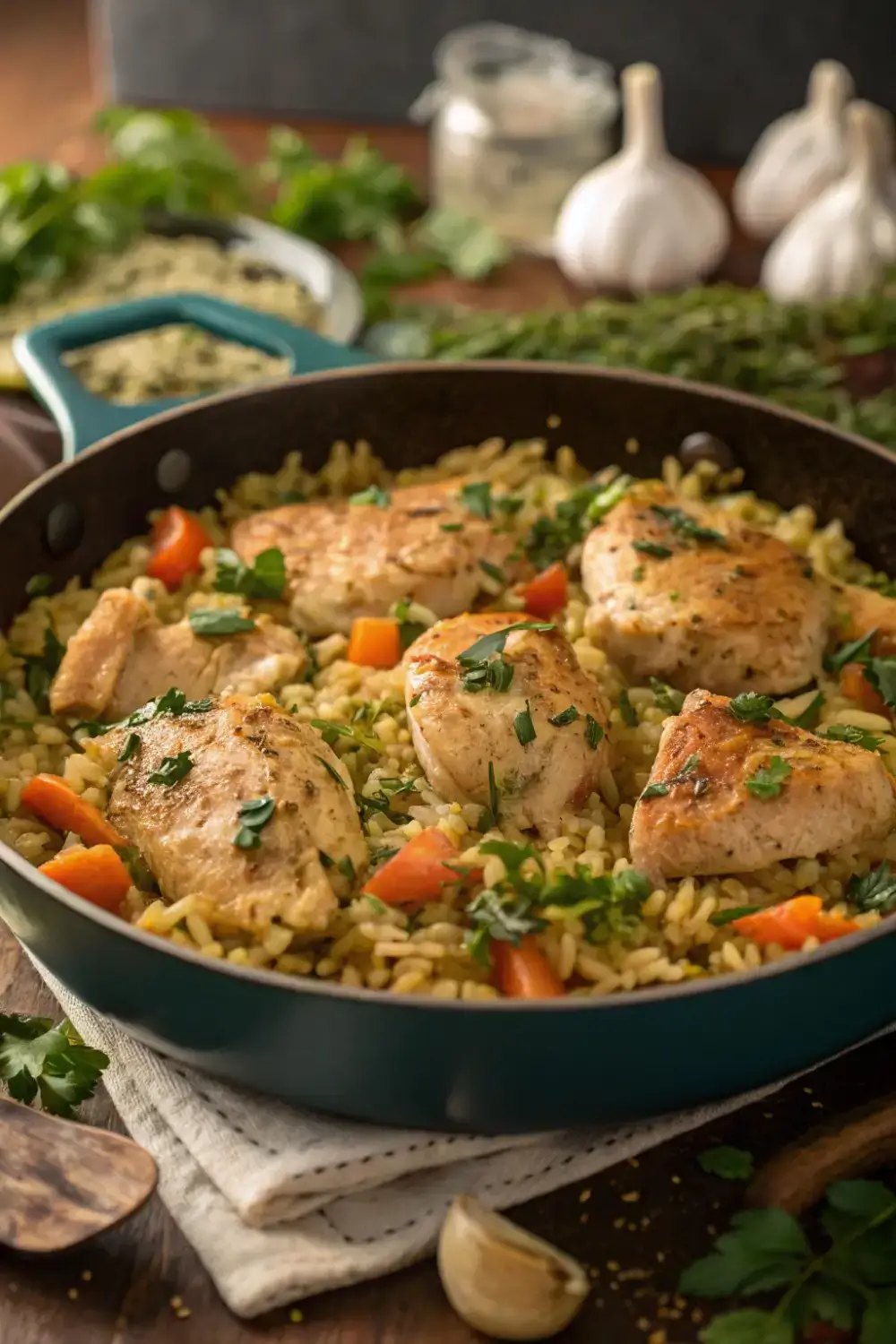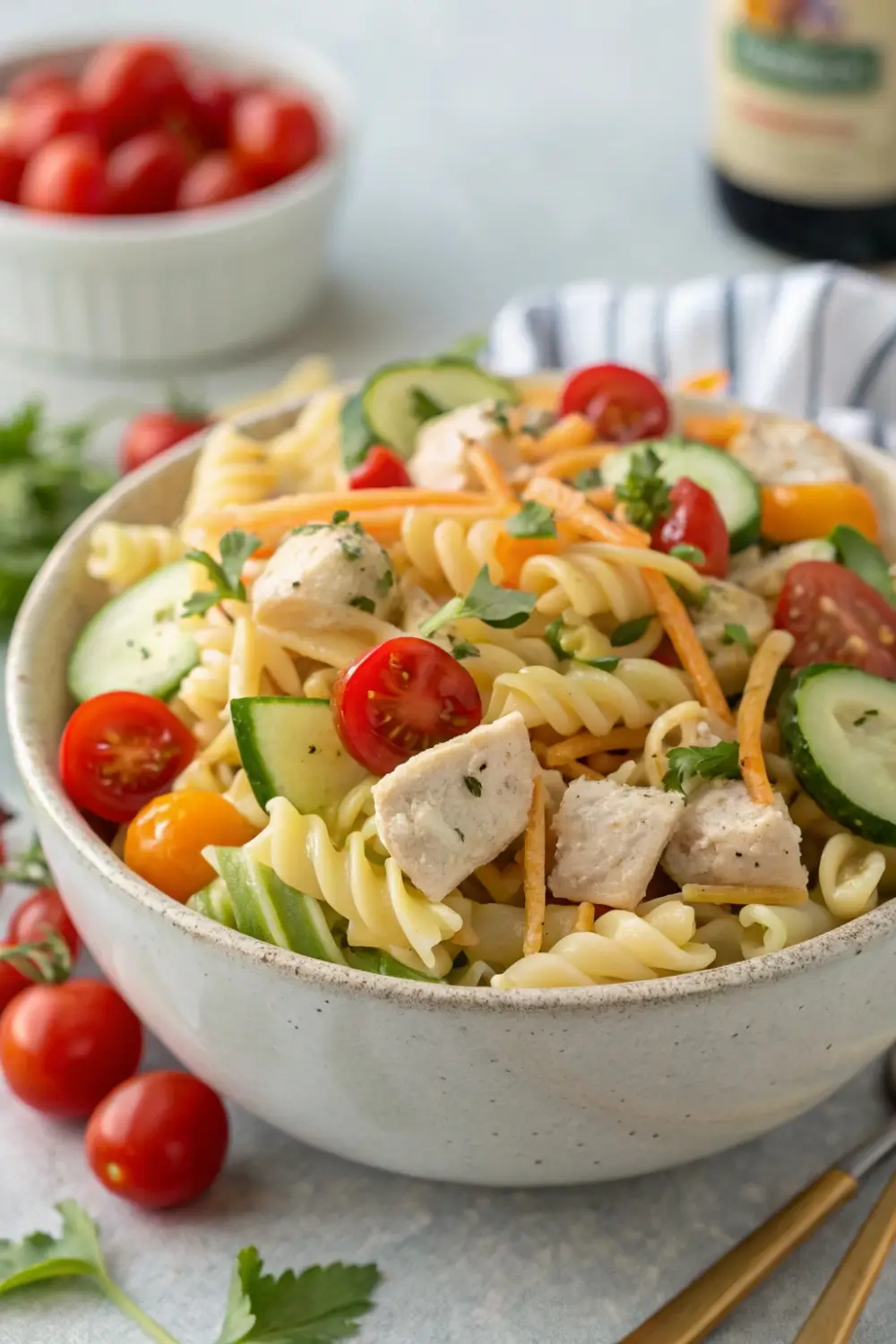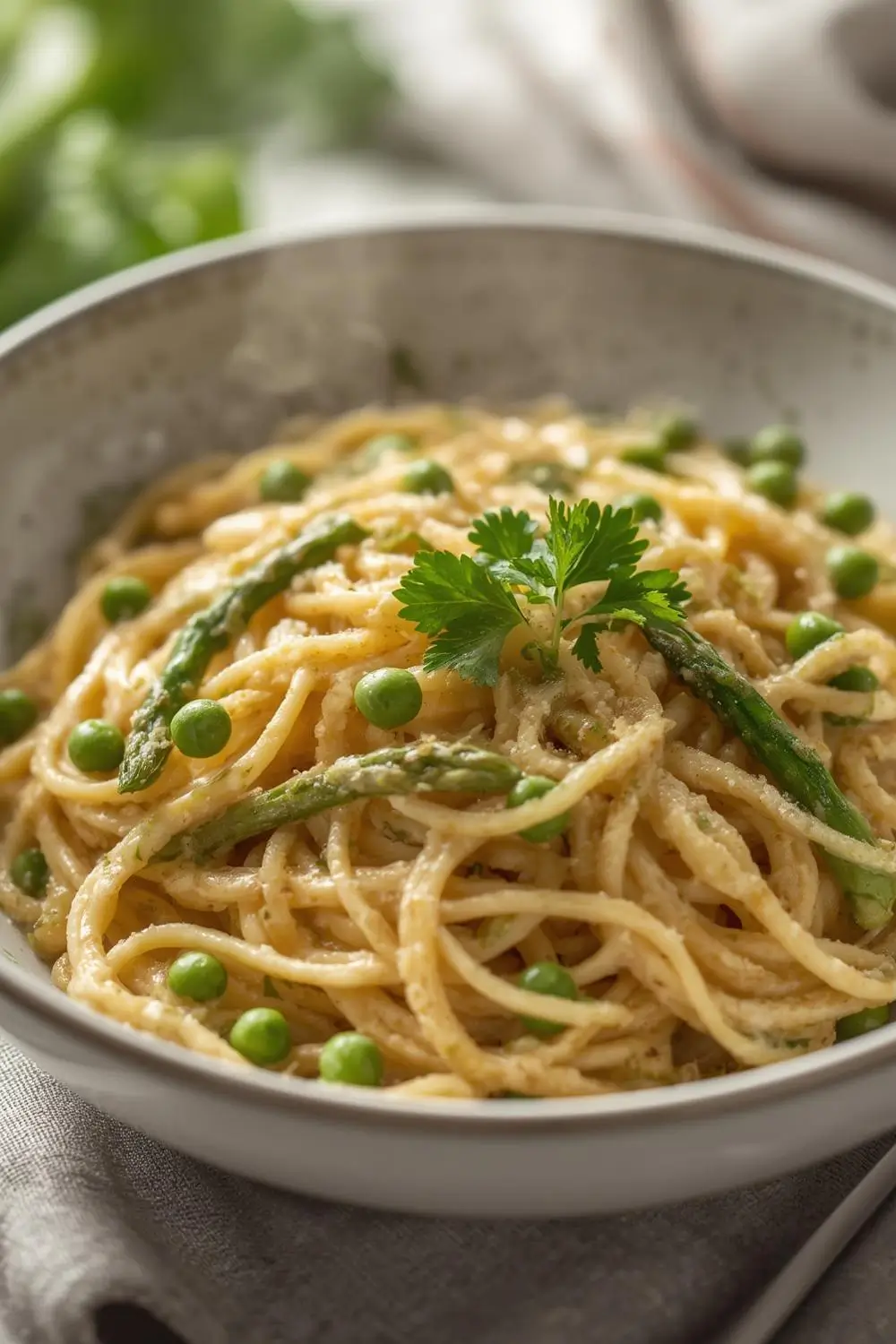
The first warm breeze of spring whispers promises of renewal, and there’s no better way to celebrate than with a vibrant, flavorful dish that captures the season’s essence. This Spring Vegetable Pasta with Light Cream Sauce is your answer. It’s a celebration of fresh, crisp asparagus, sweet, tender peas, and juicy cherry tomatoes, all dancing in a luxurious yet surprisingly simple sauce. The magic lies in the velvety blend of heavy cream, garlic, and parmesan, gently thinned with pasta water to create a silky coating that clings perfectly to every strand of pasta. Ready in just 20 minutes, this dish transforms into the ultimate quick weeknight meal that feels indulgent yet healthy. It’s perfect for a cozy dinner for two or a light spring gathering. And the best part? It’s completely free of pork, bacon, wine, alcohol, beer, whisky, or vodka – just wholesome, seasonal ingredients.
Why This Recipe Sings for Spring:
- Freshness is Key: Asparagus, peas, and cherry tomatoes are quintessential spring vegetables, bursting with flavor and nutrients.
- Creamy Comfort, Light Touch: The sauce is rich and satisfying without being heavy, thanks to the careful balance of cream and pasta water.
- Incredibly Quick: 20 minutes from pantry to plate – perfect for busy weeknights.
- Versatile & Adaptable: Easily customized with other spring veggies or greens.
- Beautifully Balanced: The sweetness of the peas and tomatoes, the earthiness of the asparagus, and the savory depth of the parmesan create a harmonious flavor profile.
- Elegant Simplicity: Garnished with fresh herbs and black pepper, it looks as good as it tastes.
Gather Your Ingredients:
Pasta: 8 ounces (about 225g) of your favorite short pasta shape – penne, fusilli, or farfalle work beautifully, catching the sauce perfectly. Why it matters:* The shape helps the sauce cling.
- Spring Vegetables:
* 1 bunch (about 12-15 spears) fresh asparagus, tough ends snapped off and cut into 1-inch pieces.
* 1 cup (about 150g) frozen or fresh peas (if using frozen, use straight from the bag).
* 1 cup (about 150g) cherry tomatoes, halved.
Optional Additions:* Thinly sliced zucchini, diced bell peppers, or chopped spinach added in the last minute of cooking.
- The Creamy Sauce:
* 1/2 cup (120ml) heavy cream (full-fat is essential for that luxurious texture).
* 1/4 cup (30g) freshly grated Parmesan cheese (not the green can stuff!).
* 2 cloves garlic, minced or pressed.
* 1/2 teaspoon salt (adjust to taste later).
* 1/4 teaspoon freshly ground black pepper.
* 1/4 cup (60ml) reserved pasta cooking water (crucial for the sauce!).
- For Finishing:
* 2 tablespoons fresh basil or parsley, chopped.
* Extra black pepper for serving.
Optional Garnish:* A sprinkle of extra grated Parmesan.
Step-by-Step: Crafting Your Spring Pasta
1. Boil the Pasta: Bring a large pot of well-salted water to a rolling boil. Add the pasta and cook according to package directions until al dente (usually 8-12 minutes). Reserve at least 1/2 cup of the starchy pasta cooking water before draining the pasta. Drain the pasta, but do not rinse it. Return the drained pasta to the warm pot.
2. Sauté the Vegetables: While the pasta cooks, heat 1 tablespoon of olive oil in a large skillet over medium-high heat. Add the asparagus pieces and cook for 3-4 minutes, stirring occasionally, until they start to soften and get some nice color. Add the cherry tomatoes and cook for another 2 minutes, just until they start to soften and release their juices. Add the peas and cook for 1 more minute. Remove the skillet from the heat and set aside.
3. Create the Creamy Sauce: In the same skillet (no need to clean it yet!), add the remaining 1 tablespoon of olive oil. Add the minced garlic and cook over medium heat for about 30 seconds, just until fragrant – don’t let it brown. Pour in the heavy cream and bring it to a gentle simmer. Let it simmer for 1-2 minutes, just until it starts to thicken slightly. Reduce the heat to low. Whisk in the grated Parmesan cheese until it’s completely melted and the sauce is smooth. Season with salt and pepper.
4. Combine Everything: Pour the creamy sauce over the drained pasta in the pot. Add the sautéed vegetable mixture. Using tongs, gently toss everything together until the pasta is evenly coated in the sauce. The residual heat from the pasta will warm the vegetables through. If the sauce seems too thick, add a splash (1-2 tablespoons) of the reserved pasta water and toss again. You want a silky, clinging sauce, not a pool of liquid.
5. Finish with Freshness: Remove the pot from the heat. Stir in the chopped fresh basil or parsley. Taste and adjust seasoning with a little more salt or pepper if needed. Serve immediately, garnished with extra fresh herbs and a crack of black pepper.
Tips for Perfect Results:
- Salt the Pasta Water Generously: This is the foundation of flavor. It should taste like the sea.
- Don’t Skip the Pasta Water: This starchy water is magic for emulsifying the sauce, making it silky and helping it cling. Don’t drain it all!
- Fresh Parmesan is Non-Negotiable: Pre-grated cheese often contains anti-caking agents that prevent it from melting smoothly. Grate it yourself.
- Garlic Caution: Cook the garlic just until fragrant to avoid bitterness. If you prefer a milder garlic flavor, add it later with the vegetables.
- Vegetable Prep: Cutting asparagus and tomatoes consistently ensures even cooking. Frozen peas are perfectly fine and save time.
- Sauce Consistency: If the sauce seems too thick after adding the pasta, a little more pasta water is the solution. If it’s too thin, simmer it gently for a minute or two to reduce slightly.
- Cheese Melting: Whisk the Parmesan into the warm cream sauce off the heat to ensure it melts completely and smoothly without clumping.
Variations & Substitutions:
- Different Pasta: Use spaghetti, linguine, or even rice noodles for a gluten-free option.
- Vegetable Swaps: Replace asparagus with green beans or sugar snap peas. Use broccoli florets or cauliflower florets. Add diced zucchini or bell peppers. Stir in some chopped spinach or kale in the last minute of cooking.
- Protein Boost: Add cooked chicken, shrimp, or chickpeas for a heartier meal.
- Creamier Sauce: For an extra-rich sauce, add an additional 1-2 tablespoons of cream or a spoonful of mascarpone cheese.
- Lighter Option: Substitute half the heavy cream with whole milk or a plant-based cream alternative (like full-fat coconut milk or oat cream). The sauce will be slightly less rich but still delicious.
- Herb Variations: Use fresh dill, chives, or tarragon instead of basil or parsley for a different flavor profile.
- Spice It Up: Add a pinch of red pepper flakes to the sauce for a subtle kick.
Storing & Reheating Leftovers:
Storage: Let the pasta salad completely cool to room temperature. Transfer it to an airtight container. Store in the refrigerator for up to 3 days. Important:* The sauce can separate slightly when chilled. This is normal.
- Reheating: Reheat gently in a skillet over low-medium heat, adding a splash of milk or cream and stirring constantly until warmed through. Alternatively, reheat in the microwave in 30-second bursts, stirring well between each, adding a tiny bit of water or milk if it seems dry. Avoid boiling, as it can make the pasta mushy.
Avoiding Common Mistakes:
1. Overcooking the Pasta: Cooking pasta beyond al dente results in a mushy texture that won’t hold the sauce well. Taste it a minute or two before the package time.
2. Rinsing the Pasta: Rinsing removes the starch that helps the sauce cling. Only rinse if you’re making a cold pasta salad.
3. Adding Garlic Too Early or Too Long: Burnt garlic is bitter. Cook it just until fragrant.
4. Using Low-Fat Cream: Full-fat cream is essential for the right texture and flavor. Skim milk or half-and-half won’t work.
5. Forgetting the Pasta Water: This is crucial for the sauce’s consistency. Always reserve some!
6. Overloading the Sauce: Start with less sauce and add more if needed. It’s easier to add than to remove.
7. Serving Cold: This dish is best served immediately while the pasta is hot and the vegetables are crisp-tender.
Your Spring Pasta FAQs:
- Can I use frozen peas instead of fresh? Absolutely! Just add them straight from the bag with the asparagus in step 2.
- What if I don’t have heavy cream? You can use whole milk, but the sauce will be thinner and less rich. For a vegan option, try full-fat coconut milk or a store-bought plant-based cream alternative.
- Can I make this ahead of time? The components (cooked pasta, sautéed veggies, sauce) can be made separately and stored. Reheat and combine just before serving for the best texture.
- Is this dish gluten-free? Use a gluten-free pasta shape to make it gluten-free.
- Can I add chicken to this? Yes! Cook diced chicken breast or thighs in the skillet with the asparagus before adding the tomatoes and peas. Add it back in when you combine everything with the sauce.
- Why is my sauce separating? This can happen if the cream is too cold when added to the hot skillet or if it’s cooked too vigorously. Ensure the cream is warmed slightly before adding the cheese, and keep the heat low while whisking.
- Can I use dried herbs instead of fresh? Yes, but use about half the amount (e.g., 1/2 teaspoon dried basil or parsley instead of 1 tablespoon fresh). Add them with the garlic in step 3.
- What’s the best way to store leftovers? Store in an airtight container in the refrigerator for up to 3 days. Reheat gently on the stovetop with a splash of milk or cream.
The Final Touch:
This Spring Vegetable Pasta with Light Cream Sauce is more than just a meal; it’s a celebration of the season’s bounty. It’s a testament to how simple, fresh ingredients, combined with a little technique, can create something truly special. The vibrant colors, the harmonious blend of flavors, and the comforting yet light texture make it perfect for any spring occasion. It’s a dish that feels like a hug from the season itself. So, gather your ingredients, embrace the simplicity, and enjoy the delicious, wholesome goodness of spring on a plate. Buon appetito!