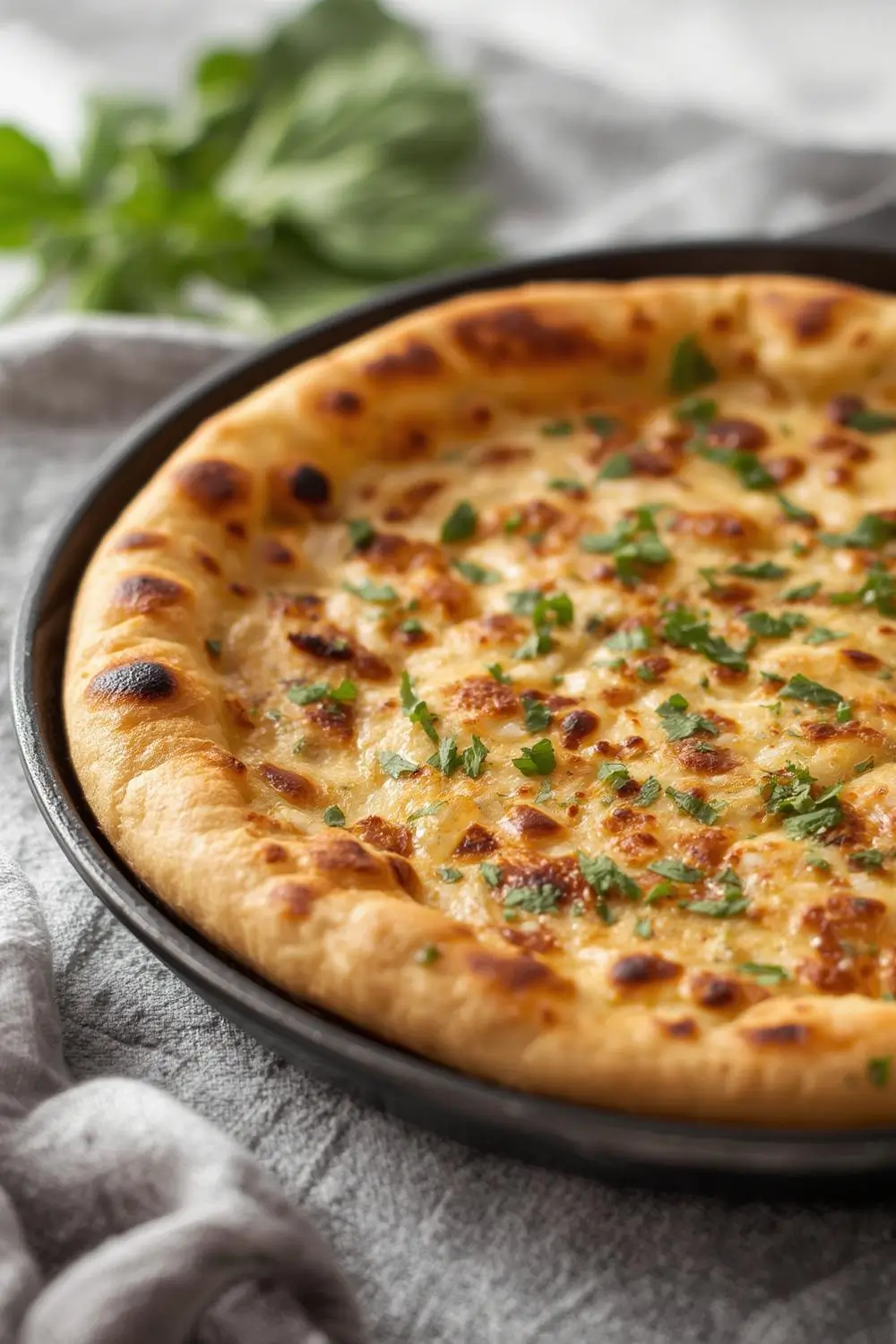
Imagine transforming that mysterious, tangy blob in your fridge into something utterly delicious in under 10 minutes. That’s the magic of sourdough discard skillet flatbread! This recipe is pure kitchen wizardry, turning what many bakers consider kitchen waste into a crispy, golden, chewy flatbread that’s perfect for breakfast, lunch, or dinner. Forget complicated kneading or long fermentation times – this is sourdough simplicity at its finest. Best of all, it’s completely free of pork, bacon, wine, alcohol, beer, or whisky – just wholesome, tangy sourdough goodness.
Why This Recipe is a Game-Changer
You know that jar of sourdough starter sitting on your counter? The one you feed regularly but rarely use up? That’s sourdough discard. It’s the portion you remove before feeding your starter to keep it healthy. Instead of letting it go to waste, this recipe harnesses its natural tang and fermentation power to create something extraordinary. This flatbread is incredibly versatile: slather it with butter and honey for a sweet breakfast treat, pile it high with your favorite savory toppings for a quick lunch, or use it as a base for a hearty dinner. The result? A flatbread with a beautifully crisp, slightly charred edge and a soft, chewy interior that practically melts in your mouth. It’s a testament to the power of sourdough and the beauty of using every part of your starter.
Gathering Your Ingredients: Simplicity is Key
The beauty of this recipe lies in its minimalism. You likely already have everything you need:
Sourdough Discard: This is the star! Use about 1 cup (240ml) of discard that’s been sitting out for 4-8 hours until it’s bubbly and active. The tangier it is, the more flavor your flatbread will have. Tip: If your discard is very stiff, add a splash (1-2 tbsp) of water to make it easier to mix.*
- All-Purpose Flour: Provides the structure. You can use bread flour for a slightly chewier texture, but AP flour works perfectly fine.
- Salt: Enhances all the flavors. Fine sea salt or table salt are both great.
- Water: Just enough to bring the dough together. Use room temperature water for easier mixing.
- Olive Oil (Optional but Recommended): A little oil adds richness and helps with browning. You can also use melted butter.
Why These Ingredients Work Together
Sourdough discard is naturally acidic. This acidity, combined with the flour and salt, creates a simple dough that ferments slightly during cooking, developing flavor and tenderness. The water hydrates the flour, allowing the gluten to form minimally, resulting in that characteristic soft yet chewy texture. The optional oil adds a touch of luxury and promotes that gorgeous golden crust. No need for yeast here – the discard provides the leavening action through its existing wild yeast and bacteria.
Step-by-Step: From Bowl to Skillet in Minutes
1. Combine & Mix: In a medium bowl, whisk together the sourdough discard, flour, and salt. Add the water and olive oil (if using). Stir with a spatula or your hands until a shaggy dough forms. Don’t worry about perfect smoothness yet – it will come together.
2. Knead Briefly (Optional but Recommended): Turn the dough out onto a lightly floured surface. Knead it gently for just 30-60 seconds. This helps develop a bit more gluten for better structure and chew, without making it tough. You should see it come together into a cohesive ball. If it’s too sticky, add a tiny bit more flour; if too dry, add a tiny bit more water.
3. Rest the Dough: Cover the bowl loosely with plastic wrap or a damp kitchen towel. Let it rest for 10-15 minutes. This rest period allows the flour to fully hydrate and the gluten to relax, making the dough much easier to shape.
4. Shape the Flatbread: After resting, gently press the dough into a rough 8-inch circle on a lightly floured surface. It should be about 1/2-inch thick. Don’t overwork it – a rustic, slightly uneven shape is perfectly charming.
5. Heat the Skillet: Place a heavy-bottomed skillet (cast iron is ideal) over medium-high heat. Let it get nice and hot – you want it sizzling hot. A drop of water should skitter across the surface and evaporate instantly. Add a small amount of oil or a pat of butter to the skillet.
6. Cook to Perfection: Carefully place your shaped flatbread into the hot skillet. Cook for 2-3 minutes, until the bottom is deeply golden brown and crispy, with distinct brown spots. You’ll see bubbles forming on the top.
7. Flip & Finish: Using a thin spatula, carefully flip the flatbread. Cook the second side for another 2-3 minutes, until it’s also golden brown and crisp. If your skillet isn’t huge, you might need to cook the flatbread in batches.
8. Rest & Serve: Transfer the cooked flatbread to a wire rack or cutting board. Let it rest for a minute or two. This allows the steam to escape, preventing sogginess and ensuring maximum crispiness. Serve immediately while hot and crispy!
Pro Tips for Skillet Flatbread Success
- Hot Skillet is Non-Negotiable: This is the secret to that incredible crispy bottom. Don’t rush this step.
- Don’t Overcrowd: Cook flatbreads in batches if needed. Crowding the skillet lowers the temperature and prevents proper browning.
- Rest After Cooking: Letting it rest for a minute or two makes a noticeable difference in texture.
- Adjust Thickness: For a crispier flatbread, roll it thinner (about 1/4-inch). For a softer, more bready texture, roll it slightly thicker (1/2-inch).
- Experiment with Toppings: While delicious plain, try adding a sprinkle of coarse salt, a drizzle of olive oil, or a dollop of pesto before cooking. For breakfast, top with butter and honey or jam. For dinner, add cheese, herbs, or a smear of hummus before the second flip.
Variations & Substitutions: Make it Your Own
- Whole Wheat Twist: Substitute up to 50% of the all-purpose flour with whole wheat flour for a nuttier flavor and denser texture.
- Herb-Infused: Mix chopped fresh herbs (like rosemary, thyme, or oregano) into the dough before shaping.
- Cheese Lover’s Delight: Sprinkle shredded cheese (cheddar, mozzarella, feta) over the flatbread after* the first side is cooked, then cover the skillet briefly to melt it.
- Sweet Breakfast Flatbread: Add a tablespoon of sugar to the dough and top with butter, honey, or maple syrup after cooking.
- No Olive Oil? Use melted butter or a neutral oil like vegetable or canola oil instead.
- No Sourdough Discard? You can use a combination of 3/4 cup (180ml) milk and 1/4 cup (60ml) plain yogurt as a substitute, though the flavor will be different. Alternatively, use 1 cup (240ml) of active sourdough starter (without discarding) and reduce the flour slightly.
Storage & Reheating: Keeping the Crispness
- Cooling Completely: Allow the flatbread to cool completely on a wire rack. This is crucial for maintaining crispness when storing.
- Airtight Container: Store cooled flatbreads in an airtight container at room temperature for up to 2 days. They will soften slightly.
- Reheating for Crispness: To restore crispiness, reheat in a dry skillet over medium heat for 1-2 minutes per side. Alternatively, place in a preheated 400°F (200°C) oven for 5-7 minutes. Avoid the microwave, as it makes flatbread soggy.
- Freezing: Wrap individual flatbreads tightly in plastic wrap, then foil, and freeze for up to 1 month. Thaw at room temperature and reheat as above.
Common Mistakes to Avoid: Mastering the Technique
1. Skillet Not Hot Enough: This is the #1 culprit for soggy bottoms. Patience is key – wait for the skillet to be properly sizzling hot.
2. Overworking the Dough: Kneading too much or shaping too aggressively can make the flatbread tough. Gentle handling is best.
3. Using Cold Discard: Discard that’s been sitting out for less than 4 hours might not be bubbly enough. Let it ferment longer for better flavor and rise.
4. Overcrowding the Skillet: Leads to steaming instead of frying, resulting in a limp flatbread.
5. Skipping the Rest: Skipping the 10-15 minute rest makes shaping difficult and can lead to a denser texture.
6. Reheating Incorrectly: Microwaving is the enemy of crispiness. Use a skillet or oven instead.
Your Sourdough Discard Skillet Flatbread FAQs
- Q: What if my discard is very stiff? A: Add 1-2 tablespoons of water when mixing to achieve a workable dough consistency.
- Q: Can I use discard that’s been in the fridge for weeks? A: Yes! Very old discard (like 1-2 weeks) works wonderfully, often with a stronger tang. Just ensure it’s bubbly and active when you use it.
- Q: Why is my flatbread dense? A: Common causes are a skillet that wasn’t hot enough, not resting the dough, or overmixing. Ensure your skillet is screaming hot and let the dough rest!
- Q: Can I make this without olive oil? A: Absolutely! Use melted butter or a neutral oil like vegetable or canola oil instead.
- Q: How do I know when it’s done cooking? A: The bottom is deeply golden brown and crispy, and the top is set with bubbles. The edges should be slightly charred.
- Q: Can I add toppings before cooking? A: Yes! Sprinkle herbs, cheese, or seeds on top after* the first side is cooked and before flipping. Avoid wet toppings that might make the bottom soggy.
- Q: Can I use this dough for pizza? A: While it’s delicious, this dough is designed for flatbread. For pizza, you’d typically use a different hydration level and longer fermentation.
- Q: What’s the best way to store leftovers? A: Cool completely, then store in an airtight container at room temperature for up to 2 days. Reheat in a skillet or oven for best results.
- Q: Can I freeze cooked flatbreads? A: Yes! Wrap tightly in plastic wrap and foil, freeze for up to 1 month. Thaw at room temperature and reheat as needed.
The Final Slice: A Sourdough Triumph
There you have it – your very own Sourdough Discard Skillet Flatbread, ready in a flash! This recipe proves that sourdough doesn’t have to be complicated or time-consuming. It’s a celebration of resourcefulness, transforming what might be considered waste into a star player on your dinner table. The tangy, chewy, crispy flatbread is a blank canvas for endless flavor combinations, whether you crave something sweet or savory. It’s a testament to the magic of fermentation and the joy of simple, delicious cooking. So, dig out that jar of discard, heat up your skillet, and experience the wonder for yourself. Enjoy every crispy, chewy bite of your homemade sourdough masterpiece!
Pin this recipe for later!