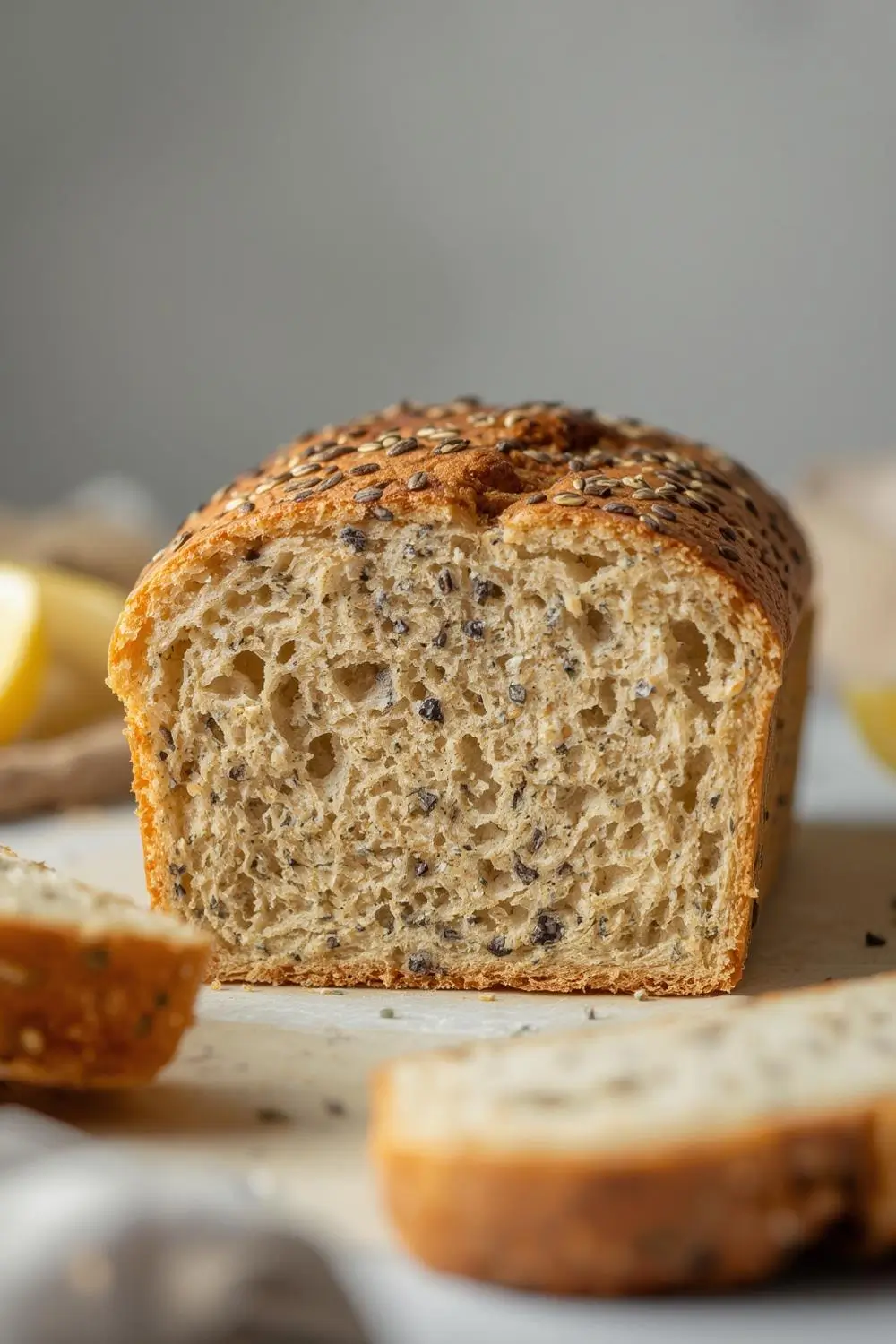
There’s something incredibly satisfying about transforming humble sourdough discard into something truly special. This Lemon Poppy Seed Loaf isn’t just a bread; it’s a celebration of bright, sunny flavors and a brilliant way to use up that tangy starter. Imagine biting into a slice: the crumb is incredibly tender and buttery, bursting with the sharp, fresh zing of lemon zest, and dotted with crunchy, nutty poppy seeds. It’s the perfect companion for a leisurely breakfast, a mid-morning coffee break, or an afternoon tea spread. Best of all, it’s made entirely without pork, bacon, wine, alcohol, beer, whisky, or vodka – just wholesome, delicious ingredients your whole family will adore.
Ingredients: The Building Blocks of Sunshine
- Sourdough Discard: The star! Use about 1 cup (240ml) of active discard, roughly 150-200g. This provides the tangy depth and characteristic sourdough texture. Ensure it’s at room temperature for easy mixing.
- All-Purpose Flour: 3 cups (360g) provides the perfect structure. You can substitute up to 1 cup (120g) with whole wheat flour for a heartier loaf, though the texture will be slightly denser.
- Granulated Sugar: 1/3 cup (65g) balances the tang and feeds the yeast. Adjust slightly if your discard is very sour.
- Salt: 1 1/2 teaspoons (8g) enhances all the flavors beautifully.
- Baking Powder: 1 1/2 teaspoons (7g) ensures a good rise alongside the sourdough.
- Baking Soda: 1/2 teaspoon (3g) helps activate the baking powder and contributes to the crumb structure.
- Lemon Zest: 2 tablespoons (from about 1 large lemon) – this is crucial! The bright, aromatic oil in the zest is what makes this loaf sing. Use a microplane or fine grater.
- Lemon Juice: 2 tablespoons (30ml) – adds a subtle tang and helps activate the baking soda. Fresh is best.
- Eggs: 2 large (100g) – provide structure, richness, and moisture. Room temperature eggs incorporate better.
- Unsalted Butter: 1/2 cup (113g), melted and slightly cooled. This creates that incredibly tender, melt-in-your-mouth crumb. Use good quality butter.
- Milk: 1/2 cup (120ml) – whole milk is ideal for richness, but any milk works. Room temperature.
- Vanilla Extract: 1 teaspoon (5ml) – a touch of warmth complements the lemon perfectly.
- Poppy Seeds: 1/4 cup (25g) – for that classic crunch and visual appeal. Use white or blue poppy seeds.
Why These Ingredients Work Together: The sourdough discard provides the base tang and fermentation, while the baking powder and baking soda ensure a good rise. The lemon zest and juice are non-negotiable for flavor. Eggs and butter create richness and tenderness, milk adds moisture, and vanilla bridges the flavors. Poppy seeds add texture and visual charm. This combination results in a loaf that’s flavorful, tender, and visually appealing.
Step-by-Step Instructions: From Bowl to Beautiful Loaf
1. Prep & Preheat: Lightly grease a standard 9×5 inch loaf pan. Preheat your oven to 350°F (175°C). This ensures the loaf starts baking immediately for even rising.
2. Combine Dry Ingredients: In a large mixing bowl, whisk together the all-purpose flour, salt, baking powder, baking soda, and lemon zest. Whisking incorporates air and ensures even distribution of the leavening agents and salt.
3. Combine Wet Ingredients: In a separate medium bowl, whisk together the sourdough discard, sugar, melted butter (cooled slightly), milk, vanilla extract, and lemon juice. The melted butter should be warm but not hot to avoid cooking the eggs later.
4. Mix Wet into Dry: Pour the wet ingredients into the bowl with the dry ingredients. Using a spatula, gently fold everything together just until combined. It’s okay if there are a few small lumps; overmixing develops gluten and leads to a tough loaf. The batter will be thick.
5. Fold in Poppy Seeds: Gently fold in the poppy seeds until they are evenly distributed throughout the batter. Avoid vigorous stirring.
6. Pour & Smooth: Pour the batter into the prepared loaf pan. Use the spatula to smooth the top gently. A light tap on the counter helps release any large air bubbles.
7. Bake: Place the pan in the preheated oven. Bake for approximately 50-65 minutes. The exact time depends on your oven and pan. The loaf is done when:
* The top is deeply golden brown and springs back lightly when gently pressed.
A toothpick inserted into the center* comes out clean or with just a few moist crumbs (not wet batter).
* The edges pull slightly away from the sides of the pan.
8. Cool Completely: This is critical! Let the loaf cool in the pan for at least 15-20 minutes. Then, carefully turn it out onto a wire rack. Allow it to cool completely, preferably for at least 1-2 hours, before slicing. Cutting into it too soon releases steam and makes it gummy. Patience pays off for the perfect texture!
Tips for Success:
- Room Temperature Ingredients: Especially the sourdough discard, eggs, and butter. This ensures even mixing and proper rising.
- Don’t Overmix: Fold the batter just until no dry streaks remain. Lumps are fine.
- Lemon Zest is Key: Don’t skip or skimp on the zest. It’s the heart of the flavor.
- Cool Completely: Resist the urge to slice warm bread. It needs time to set.
- Use a Timer: Ovens vary. Start checking at 50 minutes, but be prepared to bake longer if needed.
- Pan Size Matters: Ensure your loaf pan is the correct size (9×5 inch standard). Using a smaller pan will result in a taller, potentially denser loaf.
Variations and Substitutions: Making it Your Own
- Whole Wheat Twist: Replace up to 1 cup (120g) of the all-purpose flour with whole wheat flour for a nuttier flavor and denser texture.
- Add-Ins: Fold in 1/2 cup (60g) of chopped nuts (walnuts, pecans) or chocolate chips along with the poppy seeds for extra texture and flavor.
- Orange Blossom: Substitute the lemon zest and juice with orange zest and juice for a different citrus profile.
- Spice It Up: Add 1/2 teaspoon of ground cinnamon or cardamom to the dry ingredients for a warm, spiced loaf.
- Sweetener Swap: Use brown sugar instead of granulated sugar for a deeper, caramel-like flavor.
- Dairy-Free: Use a dairy-free milk (like almond or oat milk) and a dairy-free butter substitute. The texture might be slightly different, but it will still be delicious.
- Gluten-Free: This recipe is not inherently gluten-free. Use a high-quality gluten-free flour blend designed for baking, following the blend’s specific instructions (often requiring xanthan gum).
Storage and Reheating: Keeping the Sunshine Fresh
- Room Temperature: Once completely cooled, store the loaf wrapped tightly in plastic wrap or stored in an airtight container at room temperature for up to 2 days. The crust will soften slightly.
- Refrigeration: For longer storage (up to 4-5 days), wrap the cooled loaf tightly in plastic wrap, then place it in an airtight container or resealable bag. Refrigeration can make the crumb slightly denser.
Freezing: For maximum freshness, wrap the cooled* loaf tightly in plastic wrap, then place it in a freezer-safe resealable bag or container. Freeze for up to 3 months. To thaw, leave it wrapped at room temperature for several hours or overnight in the refrigerator. Reheat slices gently in a toaster or oven (300°F/150°C for 10-15 minutes) to restore crispness.
Common Mistakes to Avoid: Ensuring Perfect Results
1. Using Cold Discard/Eggs: This can cause the batter to curdle or not mix evenly.
2. Overmixing the Batter: Leads to tough, dense bread. Fold gently until just combined.
3. Cutting Too Soon: Slicing into warm bread releases steam, making it gummy. Wait for complete cooling.
4. Overbaking: Can dry out the loaf. Check at the minimum time and rely on the toothpick test.
5. Skipping the Zest: This is the defining flavor. Don’t skip it!
6. Using Old Discard: Discard that’s too old or inactive won’t provide the necessary lift and tang. Use discard that’s been fed recently and is active.
7. Not Preheating the Oven: Ensures even baking from the start.
Frequently Asked Questions (FAQs)
1. What if my sourdough discard is very sour? Should I adjust the sugar?
* You can slightly reduce the sugar (down to 1/4 cup) if it’s extremely sour, but the sugar also helps feed the yeast. Start with the recipe and adjust next time if needed. The lemon zest and juice help balance the tang.
2. Can I use sourdough starter instead of discard?
* Yes, but discard is typically thinner and more active. If using starter, you might need to add a little extra liquid (milk or water) to reach the right batter consistency. Discard is ideal.
3. How do I know if my sourdough discard is active enough?
* It should be bubbly, smell pleasantly sour, and rise noticeably when fed. If it’s sluggish, it might not provide enough lift. Use discard that’s been fed within the last 12-24 hours.
4. Can I make this without baking powder and baking soda?
* It’s possible using a very active, bubbly discard and a longer fermentation time, but the texture and rise will be different. The baking powder and soda ensure a reliable, tender crumb quickly. They are recommended.
5. How long does sourdough discard last in the fridge?
* Properly stored in an airtight container, it can last 1-2 weeks. It will continue to ferment and become more sour. Use it within this timeframe for best results.
6. Can I freeze the baked loaf?
* Yes! Wrap it tightly in plastic wrap, then place it in a freezer-safe bag or container. Freeze for up to 3 months. Thaw at room temperature or reheat slices gently. This is a great way to preserve your sunshine!
7. Why did my loaf collapse in the middle?
* This often happens if the oven temperature is too low, the loaf wasn’t fully cooled before slicing, or the batter was overmixed. Ensure your oven is preheated correctly and let the loaf cool completely before cutting.
8. Can I use a bread machine?
* This recipe is designed for hand mixing and baking. Bread machines have different cycles and may not produce the same tender crumb or crust. It’s best baked in the oven.
9. Is this loaf suitable for people with dietary restrictions?
* It’s naturally gluten-free? No, it contains wheat flour. It’s dairy-free? No, it contains milk and butter. It’s egg-free? No, it contains eggs. It’s nut-free? Yes, unless you add nuts. Always check individual ingredients for allergens.
10. What’s the best way to slice this loaf?
* Use a sharp serrated knife. Slice after the loaf is completely cooled. A gentle sawing motion works best for the tender crumb.
Conclusion: A Slice of Sunshine
Creating this Sourdough Discard Lemon Poppy Seed Loaf is more than just baking bread; it’s an act of transformation and a celebration of simple, wholesome ingredients. The tangy sourdough base, brightened by the vibrant lemon zest, creates a flavor profile that’s uniquely refreshing. The tender crumb and satisfying crunch of the poppy seeds make each bite a delight. Whether enjoyed toasted with butter for breakfast, alongside a cup of tea, or as a sweet treat, this loaf embodies the pure, sunny joy of baking with what you have. It’s a recipe that proves sourdough discard isn’t waste – it’s a treasure trove of flavor waiting to be unlocked. So, gather your ingredients, embrace the process, and enjoy the delicious, sunshine-filled results of your own hands. Happy baking!