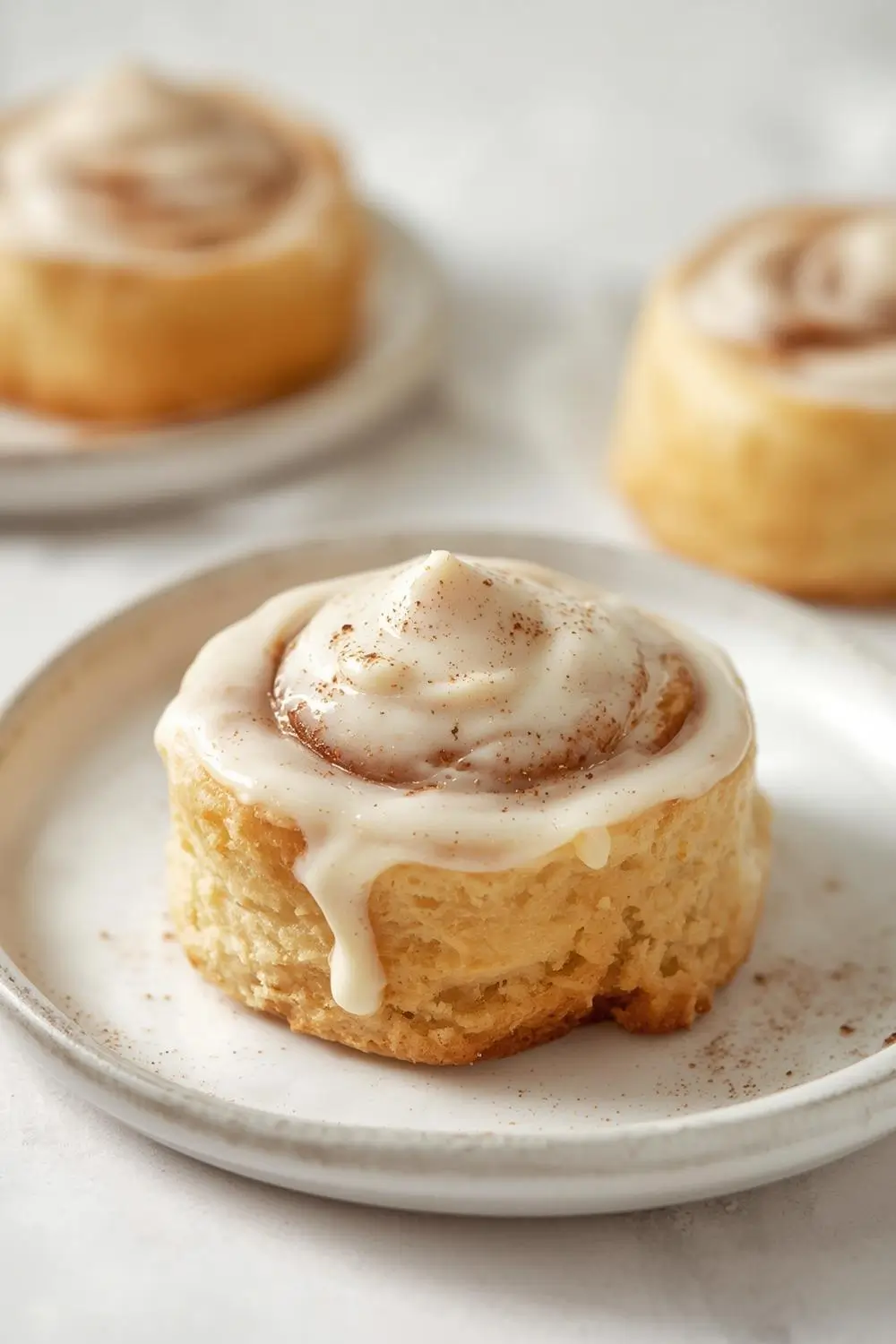
There’s something undeniably magical about the aroma of cinnamon rolls baking in the oven. That sweet, spicy scent promises warmth and comfort, a true taste of home. But what if you could recreate that bakery magic right in your own kitchen? Today, I’m thrilled to share my absolute favorite recipe for Soft Homemade Cinnamon Rolls with Cream Cheese Frosting. These aren’t just rolls; they’re a celebration of texture, flavor, and the simple joy of baking. Forget the dry, dense versions you might have tried before – these rolls are famously fluffy, tender, and melt-in-your-mouth delicious. The cream cheese frosting is the perfect counterpoint, smooth, tangy, and sweet, turning these into an irresistible treat. Best of all, this recipe is designed to be beginner-friendly, breaking down each step clearly so you can achieve bakery-worthy results with confidence. Let’s dive in!
Why This Recipe is a Must-Try
Imagine waking up to the smell of cinnamon and sugar filling your kitchen, knowing you made it yourself. These rolls are incredibly versatile – perfect for a special weekend brunch, a holiday morning, a cozy dessert, or simply a sweet pick-me-up on a chilly afternoon. They’re also surprisingly forgiving, making them a great project for budding bakers. The detailed instructions and helpful tips ensure you understand why each step matters, empowering you to troubleshoot and succeed. Plus, they freeze beautifully, so you can enjoy them anytime.
The Secret to Ultimate Softness
The key to these incredibly soft rolls lies in two crucial elements: a warm, slightly sweet milk mixture that activates the yeast gently, and a generous amount of butter folded into the dough. This creates a rich, tender crumb that stays soft for days. Don’t skip the step of letting the dough rise properly – patience here is rewarded with maximum fluffiness. The cream cheese frosting adds a luxurious finish without being overly sweet, balancing the warm spices perfectly.
Ingredients Explained: Building Flavor and Texture
Gathering your ingredients is the first step to success. Here’s what you’ll need, with a few important notes:
- Milk (1 cup): Whole milk is ideal for richness, but 2% works fine. Warm it gently to about 110°F (43°C) – not hot, just comfortably warm to the touch. This temperature is perfect for activating the yeast without killing it.
- Active Dry Yeast (2 1/4 tsp / 1 packet): This is the leavening agent that makes the dough rise. Ensure it’s fresh and not expired.
- Granulated Sugar (1/4 cup + 1/4 cup): The first 1/4 cup is for the yeast mixture to activate it. The second 1/4 cup is mixed into the dry ingredients.
- Unsalted Butter (1/2 cup / 1 stick): Melted and cooled slightly. This adds incredible richness and tenderness to the dough. Don’t skip it!
- Large Eggs (2): At room temperature. They add structure, richness, and help the dough rise.
- Salt (1 1/2 tsp): Essential for balancing the sweetness and enhancing all the flavors.
- All-Purpose Flour (4 1/2 cups): You might need a bit more or less depending on humidity and how you measure. Spoon flour into the measuring cup and level it off for accuracy.
- Cinnamon (1/2 cup + 1 tbsp): For the filling. Use a high-quality ground cinnamon like Ceylon for a milder, more complex flavor, or regular for classic warmth.
- Softened Butter (1/4 cup): For the filling. This helps the cinnamon sugar stick to the dough.
- Cream Cheese Frosting Ingredients:
* Cream Cheese (8 oz / 1 block): Full-fat, softened to room temperature. This is non-negotiable for the right texture and flavor.
* Unsalted Butter (1/4 cup / 1/2 stick): Softened.
* Powdered Sugar (2 cups): Sifted for smoothness.
* Vanilla Extract (1 tsp): Pure vanilla extract for the best flavor.
* Salt (1/4 tsp): A tiny pinch balances the sweetness.
Step-by-Step Instructions: From Dough to Deliciousness
Now, let’s bring it all together. This process is straightforward, but attention to detail makes a difference.
1. Activate the Yeast (10-15 mins): Warm the milk until it’s just warm (110°F / 43°C). Pour it into a large mixing bowl. Add the 1/4 cup of granulated sugar and the active dry yeast. Stir gently and let it sit undisturbed for 10-15 minutes. You’ll see it become foamy on top – this means the yeast is alive and active! If it doesn’t foam, your yeast might be expired, and you’ll need to start over.
2. Combine Wet Ingredients: Add the melted, slightly cooled butter, the two room-temperature eggs, and 1 teaspoon of salt to the yeast mixture. Whisk everything together until well combined.
3. Incorporate Flour: Gradually add the all-purpose flour, about 1 cup at a time, stirring with a wooden spoon or sturdy spatula after each addition. The dough will start to come together but will be very sticky. Don’t be tempted to add all the flour at once. You might not need the full 4 1/2 cups. The dough should pull away from the sides of the bowl but still be quite soft and tacky. It’s better to have slightly less flour than to make it too stiff.
4. Knead the Dough (5-7 mins): Turn the dough out onto a lightly floured surface. Knead it for 5-7 minutes, adding small amounts of flour only if absolutely necessary to prevent sticking. The dough should become smooth, elastic, and spring back when you gently poke it. It shouldn’t be stiff.
5. First Rise (1-2 hours): Place the kneaded dough ball into a large, lightly oiled bowl, turning it once to coat it lightly with oil. Cover the bowl tightly with plastic wrap or a damp kitchen towel. Let it rise in a warm, draft-free spot until doubled in size. This usually takes 1 to 1.5 hours, but it can vary depending on room temperature. Don’t rush this step!
6. Prepare the Filling: While the dough rises, make the cinnamon sugar filling. In a small bowl, combine the remaining 1/4 cup granulated sugar, 1/2 cup cinnamon, and 1 tablespoon of cinnamon. Set aside. Also, soften 1/4 cup of butter for the filling until it’s spreadable but not melted.
7. Shape the Rolls (30 mins): Once the dough has doubled, punch it down gently to release the air. Turn it out onto a lightly floured surface. Roll the dough into a large rectangle, roughly 12 inches by 18 inches. Spread the softened 1/4 cup of butter evenly over the entire surface. Sprinkle the cinnamon sugar mixture evenly over the butter.
8. Roll Up & Cut: Starting from the long side, carefully roll the dough up tightly into a log. Pinch the seam closed. Using a sharp knife or dental floss, cut the log into 12 equal pieces (about 1.5 inches thick each). Place the rolls cut-side up in a lightly greased 9×13 inch baking pan, leaving a little space between them. They will expand significantly.
9. Second Rise (30-45 mins): Cover the pan loosely with plastic wrap or a towel and let the rolls rise again in a warm spot until they look puffy and almost doubled, about 30-45 minutes. They should look much fuller than before.
10. Bake (18-22 mins): Preheat your oven to 375°F (190°C). Bake the rolls for 18-22 minutes, or until they are golden brown on top and sound hollow when tapped lightly on the bottom. The centers should be cooked through but still incredibly soft. Don’t overbake!
11. Make the Frosting: While the rolls are baking, make the cream cheese frosting. In a medium bowl, beat the softened cream cheese and softened butter together with an electric mixer until smooth and creamy. Gradually add the sifted powdered sugar, beating well after each addition. Beat in the vanilla extract and a pinch of salt. The frosting should be smooth, spreadable, and slightly tangy-sweet.
12. Frost & Serve: As soon as the rolls come out of the oven, spread the cream cheese frosting generously over the warm rolls. The heat helps the frosting melt slightly and soak in a little, creating an extra layer of flavor. Serve immediately and enjoy the incredible aroma and taste!
Baking Variations & Substitutions
- Different Frostings: While cream cheese is classic, you could try a simple vanilla glaze (powdered sugar + milk + vanilla) or a brown sugar cinnamon glaze for a different twist.
- Add-Ins: Fold in chopped pecans, walnuts, or raisins into the cinnamon sugar filling for extra texture and flavor.
- Flavored Butters: For the filling, mix softened butter with a teaspoon of vanilla extract, almond extract, or orange zest before spreading.
- Whole Wheat Option: Substitute up to 1 cup of the all-purpose flour with whole wheat flour for a heartier roll (may require a tiny bit more liquid).
- Dairy-Free: Use almond milk or oat milk warmed to activate the yeast. Substitute vegan cream cheese and vegan butter for the frosting. Ensure your yeast is dairy-free if needed.
- Gluten-Free: Use a high-quality gluten-free all-purpose flour blend (check for xanthan gum). You may need slightly more liquid and a different rising time. Results can vary.
Storage & Reheating Tips
- Room Temperature: Store leftover rolls in an airtight container at room temperature for up to 2 days. They stay remarkably soft.
- Refrigerator: For longer storage (up to 5 days), refrigerate the rolls. Let them come to room temperature before serving.
Freezing: Freeze the baked* rolls (without frosting) in a single layer on a baking sheet until solid, then transfer to a freezer bag or airtight container. Freeze for up to 3 months. To reheat, thaw overnight at room temperature or warm gently in a low oven (300°F / 150°C) for 10-15 minutes. Frost after thawing and reheating.
- Reheating: For the best texture, reheat individual rolls in the microwave for 15-20 seconds or warm them in a 300°F (150°C) oven for 5-10 minutes. Frost after reheating.
Common Mistakes to Avoid
- Killing the Yeast: Using milk that’s too hot (above 120°F / 49°C) will kill the yeast. Stick to the warm (110°F / 43°C) range.
- Over-Kneading: Over-kneading develops too much gluten, leading to tough rolls. Knead just until the dough is smooth and elastic.
- Rushing the Rise: Skipping or rushing the rise time results in dense rolls. Find a warm spot and be patient.
- Over-Baking: Baking until they are dark brown or hard will ruin the soft texture. They should be golden brown and sound hollow.
Frosting Too Early: Frosting the rolls before* they are completely cool can make the frosting melt and slide off. Wait until they are just warm.
- Using Cold Ingredients: Room temperature eggs and softened butter incorporate much better into the dough and frosting, leading to a smoother texture.
Frequently Asked Questions (FAQs)
- Q: Why didn’t my rolls rise? A: This is usually due to inactive yeast (expired or milk too hot), dough not being in a warm enough spot, or over-kneading. Double-check your yeast and rising environment.
Q: My dough is too sticky. What do I do? A: Add flour very* sparingly, a tablespoon at a time, while kneading. Don’t add too much – the dough should still be soft and tacky.
- Q: Can I make these rolls ahead of time? A: Absolutely! You can shape them, let them rise once, then refrigerate them overnight. Bake them the next day. You can also freeze the shaped rolls before the second rise.
- Q: How do I know when the rolls are done baking? A: They should be golden brown on top and sound hollow when tapped on the bottom. The internal temperature should be around 190-200°F (88-93°C) if you have a thermometer.
- Q: Can I use a stand mixer? A: Yes! Use the dough hook attachment on low speed to mix and knead the dough. It will take about 8-10 minutes total.
- Q: Why is my frosting runny? A: This often happens if the cream cheese or butter isn’t soft enough, or if you added too much liquid. Ensure they are softened properly and add powdered sugar gradually. If it’s too runny, add more sifted powdered sugar.
- Q: Can I use self-rising flour? A: No, self-rising flour contains leavening agents that will cause the rolls to rise too much and then collapse. Use all-purpose flour only.
- Q: How do I prevent the rolls from sticking to the pan? A: Generously grease the pan with butter or non-stick spray. You can also line the pan with parchment paper for easy removal.
The Final Touch: A Warm Conclusion
There you have it – the recipe for truly exceptional, soft homemade cinnamon rolls with a luscious cream cheese frosting. The process might seem involved, but it’s incredibly rewarding. The key is patience, especially during the rising times, and attention to detail with the ingredients and temperatures. The result? A batch of rolls that taste like pure, unadulterated comfort, perfect for sharing with loved ones or savoring all to yourself. The aroma alone is worth the effort! So, gather your ingredients, preheat your oven, and get ready to create a breakfast (or dessert!) experience that will become a cherished tradition. Happy baking!