The Ultimate Soft CinnamonRolls with Thick Cream Cheese Frosting: A Weekend Breakfast Dream
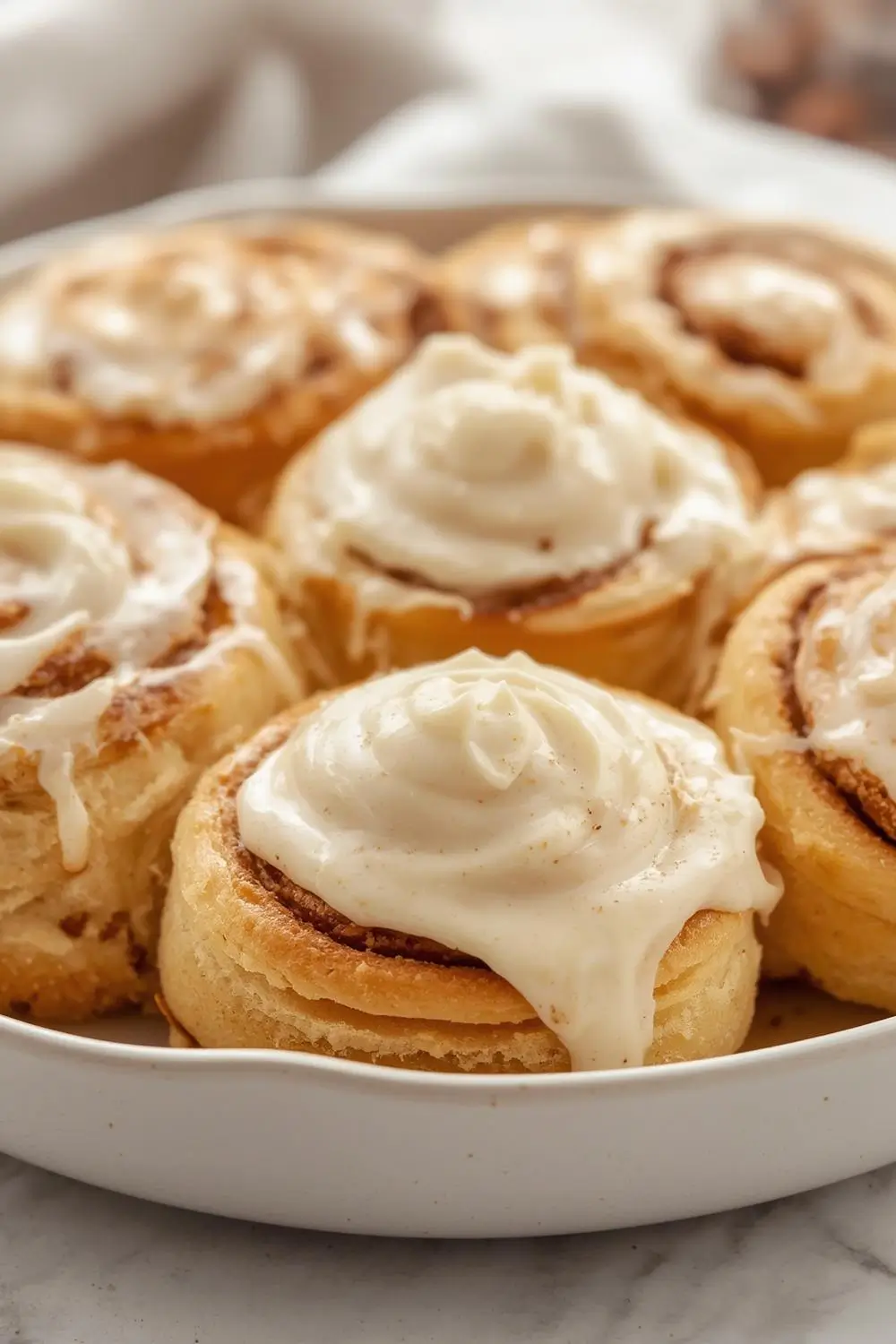
There’s something undeniably magical about the scent of cinnamon rolls baking in the oven. It transforms a simple morning into something special, a promise of warmth and comfort. These aren’t just any cinnamon rolls; they are the pinnacle of softness, infused with a rich cinnamon-sugar filling and crowned with a luxurious, thick cream cheese frosting that melts into every warm swirl. This recipe delivers bakery-style perfection using simple pantry staples, making it perfect for holidays, a leisurely weekend brunch, or simply treating yourself on a cozy Saturday morning. Let’s dive into creating these irresistible delights together.
The Heart of the Roll: The Dough
The foundation of any great cinnamon roll is its dough. This recipe uses a simple, enriched dough that yields incredibly soft, tender rolls. The key is patience during the rising process – it’s where the magic happens, allowing the yeast to develop flavor and the dough to become light and airy.
Ingredients:
* 2 ¼ teaspoons (1 standard packet) Active Dry Yeast
¾ cup (170g) Whole Milk, warmed to about 110°F (43°C) – Not too hot, or it kills the yeast!*
* ¼ cup (50g) Granulated Sugar
* 1 large Egg, at room temperature
* ¼ cup (60ml) Vegetable Oil or Unsalted Butter, melted and slightly cooled
* 1 teaspoon Salt
* 4 ½ to 5 cups (560-625g) All-Purpose Flour (or Bread Flour for extra chewiness)
* 1 teaspoon Pure Vanilla Extract
Creating the Perfect Dough Base
1. Activate the Yeast: In a large mixing bowl, combine the warm milk, 1 tablespoon of the granulated sugar, and the active dry yeast. Stir gently and let it sit for 5-10 minutes until it becomes foamy and fragrant. This proves the yeast is alive and active.
2. Combine Wet Ingredients: Add the remaining sugar, the egg, the melted oil (or butter), salt, and vanilla extract to the yeast mixture. Whisk thoroughly until everything is well combined and smooth.
3. Incorporate Flour: Gradually add 4 ½ cups of the flour to the wet mixture, stirring with a wooden spoon or sturdy spatula after each addition. The dough will start to come together but will be quite sticky. Don’t worry; this is normal. Add the remaining ½ cup of flour only if the dough seems excessively wet and isn’t pulling away from the sides of the bowl. You want a soft, slightly tacky dough, not a stiff one.
4. Knead to Perfection: Turn the dough out onto a lightly floured surface. Knead for about 8-10 minutes. This develops the gluten just enough for structure without making the rolls tough. The dough should become smooth, elastic, and spring back when you gently poke it. If it’s too sticky, add a tiny bit more flour (1 tablespoon at a time) while kneading. If it’s too dry, add a teaspoon of water. The goal is a soft, pliable dough.
The Sweet Swirl: Filling & Assembly
While the dough rises, prepare the filling and frosting. This is where the cinnamon roll magic truly happens.
Ingredients:
* ½ cup (100g) Granulated Sugar
* ½ cup (100g) Packed Light Brown Sugar
* 2 tablespoons Ground Cinnamon
* ¼ cup (50g) Unsalted Butter, softened to room temperature
* ¼ teaspoon Salt
Ingredients:
* 8 oz (225g) Full-Fat Cream Cheese, softened to room temperature
* ½ cup (115g) Unsalted Butter, softened to room temperature
* 3 cups (360g) Powdered Sugar, sifted
* 1 teaspoon Pure Vanilla Extract
* ¼ teaspoon Salt
Optional:* 1-2 tablespoons Milk or Heavy Cream (to adjust consistency)
Assembling the Rolls
1. First Rise: Place the kneaded dough in a lightly oiled bowl, turning it once to coat. Cover the bowl tightly with plastic wrap or a damp kitchen towel. Let it rise in a warm, draft-free spot for 1 to 1.5 hours, or until it has doubled in size. Tip: A turned-off oven with the light on is often a perfect warm spot.
2. Prepare the Filling: In a small bowl, whisk together the granulated sugar, brown sugar, cinnamon, softened butter, and salt until it forms a thick, spreadable paste. Set aside.
3. Roll Out the Dough: Punch down the risen dough gently to release air bubbles. Turn it out onto a lightly floured surface. Roll it into a large rectangle, roughly 18×24 inches. Aim for an even thickness, about ¼ inch.
4. Spread the Filling: Spread the cinnamon-sugar butter mixture evenly over the entire surface of the dough, leaving a ½-inch border along one of the longer edges. This border helps seal the roll.
5. Roll Up & Cut: Starting from the long edge covered in filling, carefully roll the dough up tightly into a log. Pinch the seam closed firmly. Using a sharp knife or dental floss, cut the log into 12 equal pieces (about 1.5-2 inches thick). Place the rolls cut-side up in a lightly greased 9×13 inch baking pan or two 9-inch round pans.
6. Second Rise: Cover the pan(s) loosely with plastic wrap or a towel and let the rolls rise again for 30-45 minutes, or until they look puffy and have expanded noticeably. They should look much fuller than when you first placed them in the pan.
Baking to Golden Perfection
1. Preheat & Bake: Preheat your oven to 350°F (175°C). Bake the rolls for 25-30 minutes, or until they are deeply golden brown on top and the edges look set. The internal temperature should reach about 190°F (88°C) when tested with a thermometer. They should sound hollow when tapped on the bottom.
2. Cool Slightly: Remove the pan from the oven and let the rolls cool in the pan for at least 15 minutes. This allows them to set slightly and makes frosting easier.
The Crown Jewel: Thick Cream Cheese Frosting
The frosting is what transforms these rolls from good to unforgettable. This recipe creates a thick, spreadable frosting that stays put and melts beautifully into the warm rolls.
- Ingredients:
* 8 oz (225g) Full-Fat Cream Cheese, softened
* ½ cup (115g) Unsalted Butter, softened
* 3 cups (360g) Powdered Sugar, sifted
* 1 teaspoon Pure Vanilla Extract
* ¼ teaspoon Salt
* 1-2 tablespoons Milk or Heavy Cream (as needed)
- Making the Frosting:
1. In a large bowl, beat the softened cream cheese and butter together with an electric mixer on medium speed until completely smooth and creamy, about 2-3 minutes. Scrape down the sides of the bowl as needed.
2. Add the sifted powdered sugar, vanilla extract, and salt. Beat on low speed until combined, then increase to medium-high speed and beat for another 2-3 minutes until the frosting is light, fluffy, and very thick. It should hold its shape when piped or spread.
3. If the frosting is too thick to spread easily, add 1 tablespoon of milk or heavy cream at a time, beating well after each addition, until you reach the desired spreading consistency. It should be thick enough to coat the back of a spoon but still spreadable.
The Grand Finale: Frosting & Serving
1. Frost While Warm: Once the rolls have cooled for 15 minutes, spread the thick cream cheese frosting generously over the top of the warm rolls. The heat from the rolls will cause the frosting to melt slightly and seep into the crevices, creating that signature bakery-style effect. Don’t be shy – a thick layer is key!
2. Serve Immediately: These rolls are best enjoyed fresh and warm. Serve them straight from the pan, perhaps with a dusting of powdered sugar or a sprinkle of chopped pecans if desired. They are pure comfort in every bite.
Variations & Substitutions: Making it Your Own
- Milk Choice: While whole milk is ideal for richness, you can use 2% or even almond milk (unsweetened) if preferred. The texture might be slightly less tender.
- Flour Swap: Bread flour yields a slightly chewier roll. All-purpose flour works perfectly fine for a softer texture.
- Butter in Dough: For extra richness, substitute 2 tablespoons of the oil with softened butter.
- Frosting Flavor Boost: Add ½ teaspoon of ground cinnamon or a splash of orange extract to the frosting for a twist.
- Make Ahead: Prepare the rolls through step 6 (after cutting and placing in the pan). Cover tightly and refrigerate overnight. Let them come to room temperature (about 1 hour) before the second rise and baking.
- Freezing: Bake the rolls completely, cool them, then freeze them tightly wrapped. To reheat, thaw at room temperature and warm in a 300°F (150°C) oven for 10-15 minutes. Frost after reheating.
Storage & Reheating: Keeping the Magic Alive
- Storage: Store any leftover frosted rolls in an airtight container at room temperature for up to 2 days. For longer storage, wrap individual rolls tightly in plastic wrap and freeze for up to 1 month. Thaw overnight at room temperature and warm gently before serving.
- Reheating: For the best texture, reheat frosted rolls in a 300°F (150°C) oven for 10-15 minutes until warmed through. If they are frozen, thaw first. Avoid microwaving, as it can make the frosting runny and the rolls tough.
Common Mistakes to Avoid: Mastering the Process
1. Killing the Yeast: Using milk that’s too hot (above 110°F/43°C) will kill the yeast. Test the milk temperature with your finger – it should feel comfortably warm, not hot.
2. Over-Kneading: While kneading is important, over-kneading develops too much gluten, resulting in tough rolls. Knead just until the dough is smooth and elastic (8-10 minutes by hand).
3. Under-Proofing: If the dough doesn’t rise sufficiently, the rolls won’t be light and airy. Ensure your rising spot is warm and draft-free, and give it enough time (1-1.5 hours).
4. Over-Filling: While you want plenty of filling, too much can cause the rolls to leak and make a mess. Spread it evenly but don’t overfill.
5. Frosting Too Thin: If your frosting is runny, it won’t stay on the rolls. Ensure the cream cheese and butter are fully softened and beat the frosting for the full 2-3 minutes on medium-high speed. Add powdered sugar gradually.
6. Frosting Too Thick: If the frosting is too stiff to spread, beat in milk or cream 1 tablespoon at a time until it reaches a thick, spreadable consistency. It should hold peaks but spread easily.
Frequently Asked Questions: Your Cinnamon Roll Queries Answered
1. Can I use margarine instead of butter? While margarine can be used, unsalted butter provides the best flavor and texture. If using margarine, ensure it’s a high-quality, full-fat variety.
2. My rolls didn’t rise much in the second rise. What happened? This could be due to a cold rising spot, old yeast, or over-kneading. Ensure your rising area is warm and draft-free, and check your yeast’s expiration date.
3. Why is my frosting runny? This usually means the cream cheese or butter wasn’t soft enough, or you added too much liquid. Ensure they are fully softened and beat the frosting thoroughly. Add liquid gradually.
4. Can I make these without a mixer? Absolutely! You can mix the dough by hand using a sturdy spoon or spatula, then knead it on a floured surface. It just takes a bit more elbow grease.
5. How do I know when the rolls are done baking? They should be a deep golden brown on top, sound hollow when tapped on the bottom, and an internal temperature of 190°F (88°C) is ideal. Don’t overbake!
6. Can I use a different type of milk? Yes, whole milk is best, but 2% or almond milk (unsweetened) work. Avoid skim milk as it can make the dough drier.
7. How do I store the rolls if I don’t frost them immediately? Store unfrosted rolls in an airtight container at room temperature for up to 2 days. Frost them just before serving for the best texture and flavor.
The Final Word: A Weekend Tradition
Creating these Soft Cinnamon Rolls with Thick Cream Cheese Frosting is more than just baking; it’s an act of love. The process, from activating the yeast to the final, decadent bite, is deeply satisfying. The aroma that fills your kitchen, the anticipation as they bake, and the pure joy of sharing these warm, gooey rolls with loved ones – it’s a tradition worth starting. They embody comfort, indulgence, and the simple pleasure of a perfect weekend breakfast. So, gather your ingredients, preheat your oven, and get ready to create something truly special. Your taste buds (and your family) will thank you. Enjoy every warm, cinnamon-scented moment!