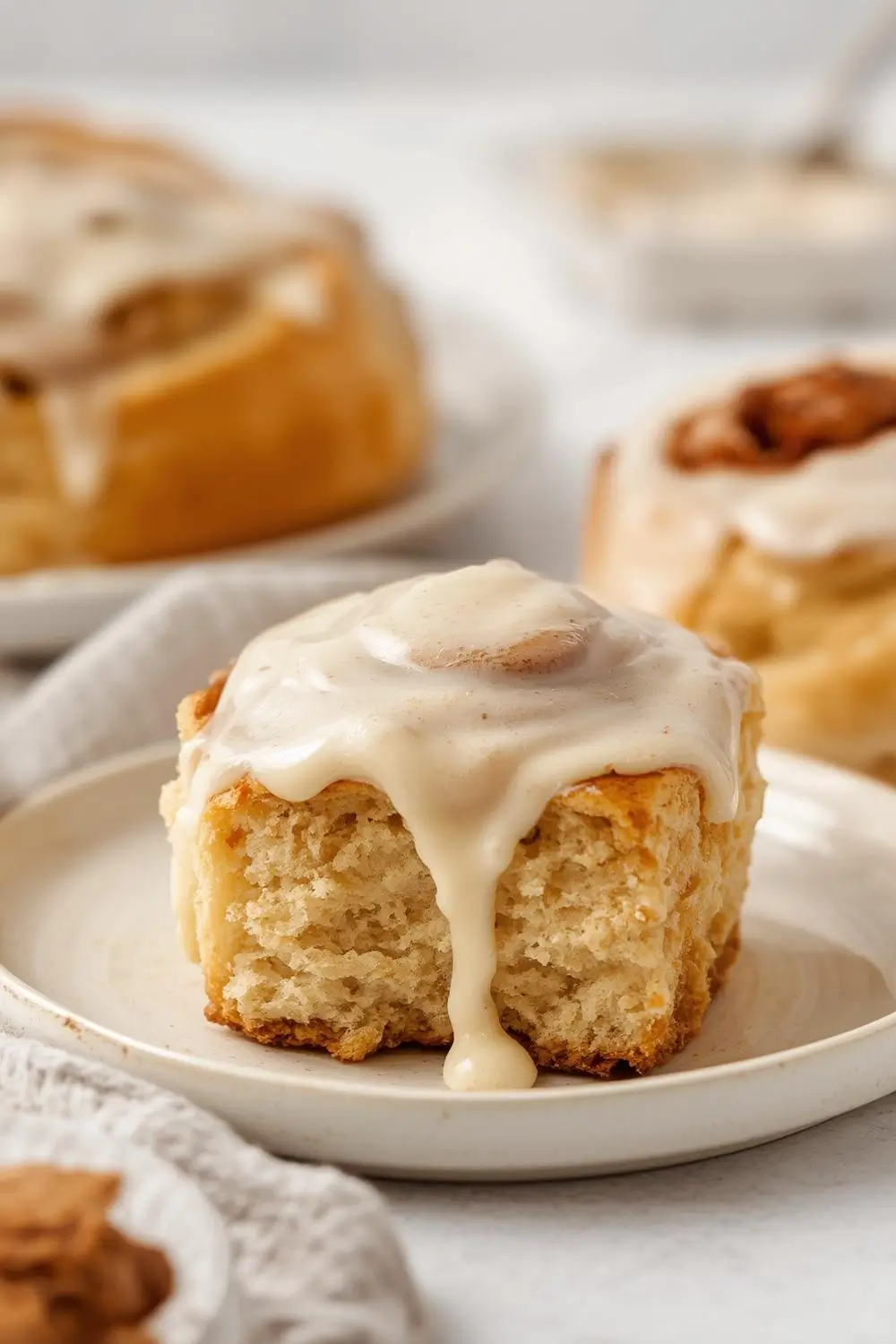
Thearoma of warm cinnamon and sweet dough fills your kitchen, promising a cozy morning treat that feels like a hug. These small batch cinnamon rolls are your answer to that craving without the overwhelming quantity. Perfect for a quiet Saturday or a special Sunday brunch, this recipe delivers all the comforting flavors of traditional cinnamon rolls in a manageable size. You’ll master a tender, buttery dough, a luscious cinnamon-sugar filling, and a dreamy cream cheese frosting, all crafted from scratch. No need for complicated techniques or hours of kneading – this version is designed for simplicity and success, even for baking beginners. Let’s create something truly special, one roll at a time.
Ingredients Explained
- All-Purpose Flour (2 1/4 cups): The backbone of the dough. All-purpose flour provides a good balance of protein for structure and tenderness. Bread flour (2 1/4 cups + 2 tbsp) offers slightly more protein, yielding a chewier, more robust roll. For this recipe, I recommend a blend: 2 cups all-purpose flour and 1/4 cup bread flour for optimal texture.
- Instant Yeast (2 1/4 tsp): This quick-acting yeast doesn’t require proofing in warm water. It’s mixed directly with the dry ingredients, making the process faster and simpler. Ensure it’s fresh for best results.
- Warm Milk (3/4 cup): Crucial for activating the yeast and hydrating the flour. Use whole milk for the richest flavor and tenderness, but 2% or even skim milk will work. The milk should be warm, not hot (around 105-110°F / 40-43°C). Too hot kills the yeast; too cold won’t activate it.
- Butter (1/2 cup, melted): Adds incredible richness, flavor, and tenderness to the dough. Use unsalted butter so you control the salt content. Let it cool slightly before adding to the warm milk mixture to prevent cooking the eggs later.
- Eggs (2 large): Provide structure, richness, and moisture. They bind the dough together and contribute to a tender crumb. Ensure they are at room temperature for better emulsification.
- Sugar (1/4 cup + 1/4 cup): Granulated sugar sweetens the dough and feeds the yeast. The extra 1/4 cup is for the filling.
- Salt (1 tsp): Enhances all the other flavors. Don’t skip it!
- Cinnamon (1 tbsp, plus extra for sprinkling): The star spice. Use pure ground cinnamon for the best flavor. A pinch of nutmeg or cardamom can be added for complexity if desired.
- Softened Butter (1/4 cup): For the filling, this creates a smooth, spreadable layer over the dough before adding the cinnamon sugar.
- Cream Cheese Frosting (1/2 cup softened cream cheese, 2 tbsp softened butter, 1 cup powdered sugar, 1/2 tsp vanilla extract): The perfect counterpoint to the warm, spiced rolls. Ensure the cream cheese and butter are very soft but not melted for a smooth frosting.
Step-by-Step Instructions with Tips
1. Activate the Yeast (If using active dry yeast): Skip this step if using instant yeast. Combine warm milk (105-110°F), 1 tbsp sugar, and yeast in a small bowl. Let sit for 5-10 minutes until foamy. If it doesn’t foam, your yeast is likely expired – start over.
2. Combine Dry Ingredients: In a large bowl, whisk together the flour(s), remaining 1/4 cup sugar, and salt.
3. Mix Wet Ingredients: In a separate bowl, whisk the melted butter, eggs, and vanilla extract until smooth.
4. Combine Wet & Yeast (if applicable): Pour the yeast mixture (or just the milk/butter/egg mixture if using instant yeast) into the wet ingredients and whisk.
5. Form the Dough: Pour the wet ingredients into the dry ingredients. Stir with a wooden spoon or sturdy spatula until a shaggy dough forms. It will be sticky.
6. Knead the Dough: Turn the dough out onto a lightly floured surface. Knead for about 8-10 minutes. This develops the gluten for structure and elasticity. The dough is ready when it becomes smooth, elastic, and springs back when poked. Add small amounts of flour only if it’s extremely sticky and sticking to your hands excessively – you want it soft and slightly tacky, not stiff.
7. First Rise: Place the dough in a lightly oiled bowl, turning it once to coat. Cover tightly with plastic wrap or a damp kitchen towel. Let rise in a warm, draft-free spot until doubled in size, about 1 to 1.5 hours. Tip: Place the bowl in an oven with the light on or near a warm appliance.
8. Prepare the Filling: While the dough rises, mix the 1/4 cup sugar with the cinnamon in a small bowl. Set aside. Soften the 1/4 cup butter for the filling until it’s spreadable but not melted.
9. Shape the Rolls:
* Punch down the risen dough gently to release air.
* Turn it out onto a lightly floured surface. Roll it into a 12×18 inch rectangle.
* Spread the softened butter evenly over the dough, leaving a 1/2-inch border around the edges.
* Sprinkle the cinnamon sugar mixture evenly over the butter.
10. Roll & Cut: Starting from the long edge, carefully roll the dough up tightly into a log. Pinch the seam closed. Using a sharp knife or dental floss, cut the log into 9 equal pieces (about 1.5 inches thick each).
11. Second Rise: Place the rolls cut-side up in a lightly greased 9-inch round or square baking pan. Cover and let rise again for 30-45 minutes, until noticeably puffy.
12. Bake: Preheat your oven to 375°F (190°C). Bake the rolls for 18-22 minutes, until they are golden brown on top and the edges look set. The internal temperature should reach about 190°F (88°C) if you have a thermometer.
13. Make the Frosting: While the rolls cool slightly (at least 10-15 minutes), beat the softened cream cheese and butter together until smooth. Gradually beat in the powdered sugar and vanilla extract until creamy and spreadable. Add a tiny splash of milk if needed to adjust consistency.
14. Frost & Serve: Spread the frosting generously over the warm rolls. The warmth helps the frosting melt slightly and soak in slightly, creating an amazing texture. Serve immediately and enjoy the pure bliss!
Variations and Substitutions
- Flour Swap: Use all bread flour for a chewier roll. For a gluten-free option, use a high-quality gluten-free all-purpose flour blend (check for xanthan gum) and adjust liquid slightly as needed.
- Dairy-Free: Substitute plant-based milk (soy, oat, almond) and vegan butter for the dough. Use vegan cream cheese and dairy-free butter for the frosting. The texture might be slightly different.
- Sweetener: Replace granulated sugar with brown sugar in the dough for deeper caramel notes. Use maple syrup or honey in the frosting for a different flavor profile (adjust liquid accordingly).
- Spice Level: Add a pinch of ground cloves or ginger to the cinnamon sugar filling for warmth. Use pumpkin pie spice blend instead of cinnamon.
- Filling Boost: Fold in 1/2 cup chopped pecans, walnuts, or raisins into the cinnamon sugar filling before spreading.
- Frosting Variations: Add a splash of lemon juice or orange zest to the frosting. Use cream cheese frosting with a hint of maple syrup instead of vanilla.
Storage and Reheating Tips
- Room Temperature: Store cooled rolls in an airtight container at room temperature for up to 2 days. Frost them just before serving.
- Refrigerator: For longer storage (up to 5 days), wrap individual rolls tightly in plastic wrap or place in a sealed container. Let them come to room temperature before frosting and serving.
Freezing: Freeze unfrosted* rolls (wrapped tightly in plastic wrap, then foil) for up to 3 months. Thaw overnight in the fridge, then bring to room temperature and frost before baking. To bake from frozen: Place frozen rolls in a greased pan, cover, and let rise until puffy (about 2-3 hours). Bake as directed, adding 5-10 minutes to the baking time.
- Reheating: Reheat leftover rolls gently in a low oven (300°F / 150°C) for 5-10 minutes until warmed through. Microwave for 15-20 seconds per roll (may make the frosting slightly runny). Avoid overheating.
Common Mistakes to Avoid
1. Killing the Yeast: Using water that’s too hot (above 110°F / 43°C) will kill the yeast. Test the milk temperature carefully.
2. Over-Kneading: While kneading is important, over-kneading can make the dough tough. Stop when it’s smooth and elastic.
3. Under-Proofing: If the dough doesn’t rise enough before baking, the rolls will be dense and flat. Ensure a warm, draft-free spot and give it enough time.
4. Over-Baking: Baking too long makes rolls dry and hard. Watch for golden brown edges and a set top. They should still feel slightly soft in the center when done.
5. Frosting Too Early: Frosting piping hot rolls will melt the frosting. Wait until they are just warm.
6. Using Cold Ingredients: Room temperature eggs and softened butter incorporate much better into the dough and frosting, creating a smoother texture.
7. Skipping the Second Rise: This rise is crucial for developing flavor and texture. Don’t skip it!
FAQs
- Can I make these rolls ahead of time? Absolutely! You can shape and let them rise overnight in the fridge (cover tightly). Bake in the morning as directed.
- What if my dough is too sticky? Add flour very* sparingly, a tablespoon at a time, while kneading. Don’t add too much – you want a soft, slightly tacky dough.
- My rolls didn’t rise much in the second rise. Why? The dough might have been over-kneaded, the yeast might be expired, the environment might be too cold, or the rolls might have been placed in a draft. Ensure a warm spot and check your yeast.
- Can I use a stand mixer? Yes! Use the dough hook on low speed for kneading (about 5-7 minutes). Be careful not to overmix.
- How do I know when the rolls are done baking? They should be golden brown on top and sound hollow when tapped on the bottom. An internal temperature of 190°F (88°C) is ideal.
- Can I freeze the frosting separately? Yes! Make the frosting ahead, store it in an airtight container in the fridge for up to 5 days, or freeze it for up to 3 months. Let it come to room temperature and beat it again before using.
- What can I do with leftover frosting? Spread it on toast, pancakes, or waffles. Mix it into oatmeal. Use it as a dip for fruit or cookies.
- Are these rolls dairy-free? No, this recipe uses dairy milk, butter, and cream cheese. Use the substitutions mentioned earlier for a dairy-free version.
- Can I use active dry yeast instead of instant? Yes, but you need to activate it first. Dissolve it in the warm milk with 1 tbsp sugar and let it foam for 5-10 minutes before proceeding with the recipe.
Conclusion
There’s a profound joy in pulling warm, fragrant cinnamon rolls from your own oven. These small batch delights capture that magic without the excess, offering a perfect balance of tender dough, spiced sweetness, and creamy indulgence. They’re a testament to the simple pleasures of baking, adaptable to your tastes and schedule. Whether enjoyed for a quiet morning treat, a special brunch, or a comforting snack, these rolls are sure to become a cherished recipe. So, gather your ingredients, embrace the process, and savor the delicious reward of your homemade creation. Happy baking!