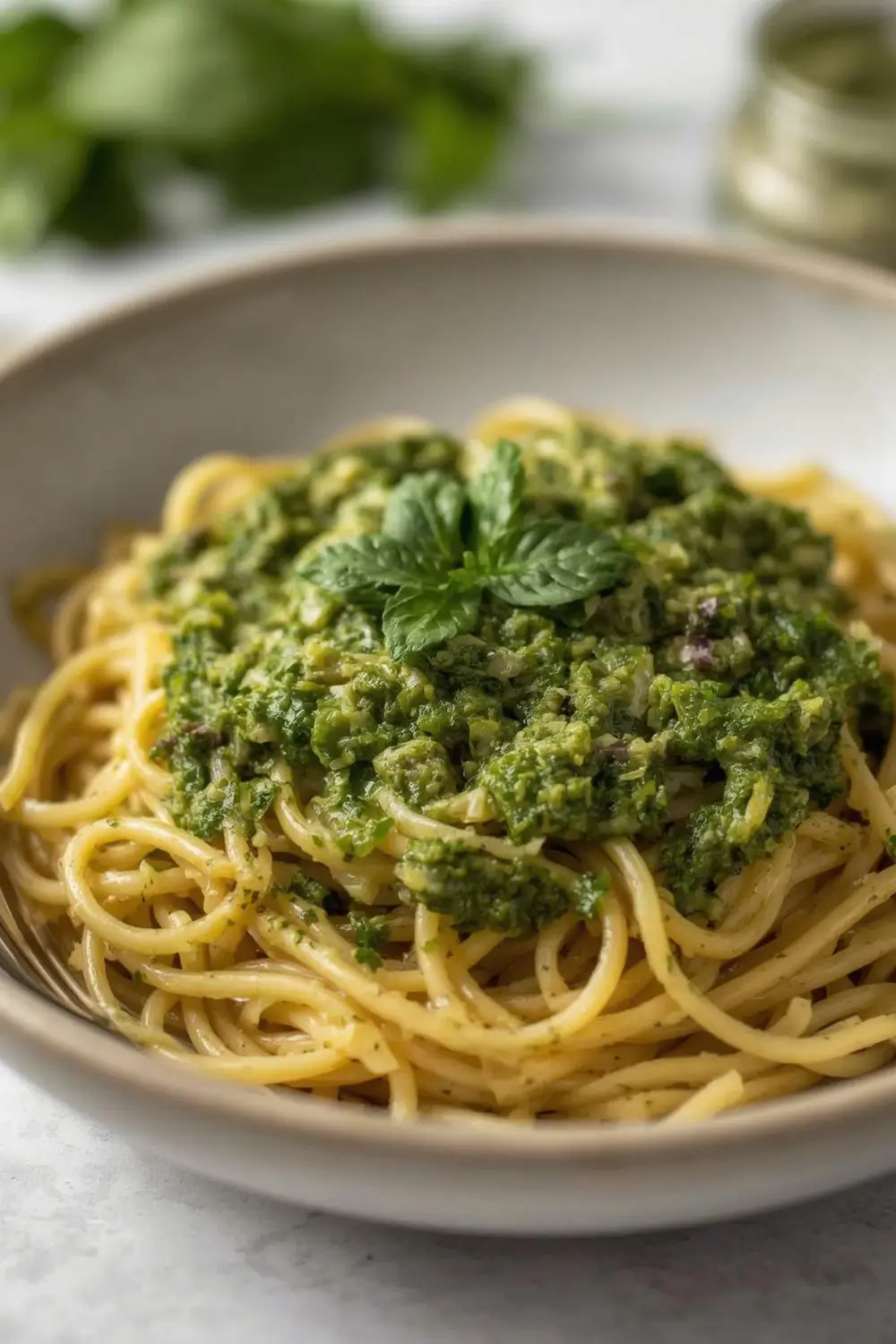
Imagine a sauce so vibrant, so deeply flavorful, it transforms a simple bowl of pasta into a celebration of the earth. This isn’t just any pesto; it’s a celebration of the humble dandelion leaf, foraged with care and transformed into a rich, aromatic, and utterly satisfying sauce. Bursting with herbal notes and packed with nutrition, this vegan, gluten-free creation is a delicious way to embrace nature’s bounty right from your own backyard. Let’s dive into crafting this unique and nourishing culinary treasure.
The Magic of Dandelion Leaves
Before we begin, a word on foraging: safety and respect are paramount. Only harvest dandelion leaves from areas you know are free from pesticides, herbicides, heavy traffic pollution, and animal waste. Choose young, tender leaves, typically before the plant flowers, for the mildest flavor. Wear gloves to protect your hands from the slightly bitter sap. Remember, foraging connects us deeply to our food sources – approach it with gratitude and responsibility.
Why Dandelion Leaves?
Dandelion leaves offer a unique, slightly bitter, yet earthy flavor profile that forms the perfect base for a pesto. This bitterness mellows beautifully when cooked and blended, creating a complex, savory depth that pairs wonderfully with pasta. They are incredibly nutritious, packed with vitamins A, C, K, and minerals like potassium and calcium. Using them elevates your dish beyond the ordinary, adding a touch of wild, foraged elegance.
Ingredients: The Foundation of Flavor
- 1 large bunch (about 4-5 cups packed) fresh, young dandelion leaves: The star of the show. Rinse thoroughly and pat dry.
- 1/2 cup raw walnuts or pecans: Adds rich texture and healthy fats. Toasting them enhances their flavor.
- 1/2 cup extra virgin olive oil: High-quality oil makes a significant difference. Use a good extra virgin.
- 1/4 cup freshly grated Parmesan cheese (optional): Adds a salty, umami punch. Omit for strict vegan.
- 2-3 cloves garlic, minced: Provides a savory backbone.
- 1/4 cup nutritional yeast (optional): Adds a cheesy, nutty flavor and extra nutrition for vegans.
- 1/2 teaspoon salt: Adjust to taste.
- 1/4 teaspoon freshly ground black pepper: For warmth.
- 1 tablespoon lemon juice or apple cider vinegar: Brightens the flavors and balances the bitterness.
- 1/4 cup water or pasta cooking water: Helps achieve the perfect sauce consistency.
Equipment You’ll Need
- Large pot for blanching
- Large bowl of ice water
- Salad spinner or clean kitchen towels
- Food processor or high-powered blender
- Fine-mesh strainer (optional, for straining)
- Large skillet or saucepan
- Tongs
- Measuring cups and spoons
- Knife and cutting board
Step-by-Step: Crafting Your Sauce
1. Blanch the Dandelion Leaves (Crucial for Texture & Flavor):
* Bring a large pot of salted water to a rolling boil.
* Working in batches, submerge the rinsed dandelion leaves into the boiling water using tongs. Blanch for exactly 30 seconds. This brief cooking softens the leaves, reduces any lingering bitterness, and brightens their color.
* Immediately transfer the blanched leaves to a large bowl filled with ice water. This shocking process stops the cooking instantly, preserving the vibrant green color and crisp-tender texture.
* Drain the leaves thoroughly in a salad spinner or pat them very dry with clean kitchen towels. Excess water will make your pesto watery.
2. Toast the Nuts (Optional but Recommended):
* While the leaves are blanching, place the walnuts or pecans in a dry skillet over medium heat. Toast for 3-5 minutes, stirring frequently, until fragrant and lightly golden. Watch carefully to prevent burning. Let them cool slightly.
3. Blend the Base:
* In the bowl of your food processor, combine the blanched and dried dandelion leaves, the toasted nuts, minced garlic, salt, pepper, and nutritional yeast (if using). Pulse several times to break everything down into smaller pieces.
4. Incorporate the Oil:
* With the food processor running, slowly drizzle in the olive oil through the feed tube. This emulsification process is key to a smooth, cohesive sauce. Add the oil gradually; you might not need all of it. The goal is a thick, spreadable consistency that clings to the pasta.
5. Finish and Adjust:
* Scrape down the sides of the bowl as needed. Add the lemon juice or vinegar and pulse once more to combine.
* Taste the pesto carefully. Dandelion bitterness can vary. If it’s too bitter, add a tiny pinch more salt or a squeeze of lemon juice. If it’s too thick, add a tablespoon of water or reserved pasta water. If it’s too bland, add a touch more salt or nutritional yeast. Blend briefly after each adjustment.
6. Combine with Pasta:
* Cook your pasta (gluten-free pasta works perfectly) in well-salted water until al dente. Reserve at least 1 cup of the starchy pasta cooking water before draining.
* In a large skillet, gently warm the pesto sauce over low heat for just a minute or two – you don’t want to cook the delicate flavors away.
* Add the drained pasta to the skillet and toss vigorously to coat every strand. If the sauce seems too thick, add splashes of the reserved pasta water, a tablespoon at a time, until it reaches a luxurious, glossy consistency that clings beautifully to the pasta.
* Serve immediately, garnished with extra toasted nuts, a sprinkle of Parmesan (if using), or a drizzle of olive oil.
Variations and Substitutions: Making it Your Own
- Different Greens: Swap some or all of the dandelion leaves for other tender, slightly bitter greens like arugula, kale (massaged first), or spinach. Kale needs to be massaged with a little oil and salt for a few minutes to soften it before blanching.
- Nut Alternatives: Use sunflower seeds, pumpkin seeds (pepitas), or hemp seeds for a nut-free version. These add different textures and flavors.
- Cheese Alternatives: For a vegan version, increase the nutritional yeast to 1/2 cup and omit the Parmesan. Cashew cream can be blended in for extra richness.
- Acidity Boost: Experiment with different acids – white wine vinegar, red wine vinegar, or even a splash of lemon juice mixed with a little maple syrup for a touch of sweetness.
- Creaminess: For a richer sauce, blend in a small amount of silken tofu or a splash of unsweetened plant-based milk.
- Protein Boost: Stir in cooked chickpeas, lentils, or crumbled tofu after tossing the pasta for a heartier meal.
Storage and Reheating: Keeping the Flavor Alive
- Refrigeration: Store any leftover pesto in an airtight container in the refrigerator for up to 5 days. A thin layer of olive oil drizzled over the top helps prevent browning.
- Freezing: For longer storage, freeze the pesto in small portions (ice cube trays work great) or in an airtight container. Thaw in the refrigerator overnight before using. The texture might be slightly looser after freezing, but a quick stir and a splash of water or pasta water will restore it.
- Reheating: Gently reheat leftover pesto in a skillet over low heat, stirring constantly, or microwave it on low power in short bursts, stirring in between. Never boil it.
Common Mistakes to Avoid
1. Forgetting to Blanch: Skipping blanching results in a bitter, tough pesto and a dull green color.
2. Over-Blending: Pulsing too long can make the pesto greasy. Blend just until smooth.
3. Using Too Much Water: Adding water too early makes the pesto thin and watery. Add it sparingly at the end if needed.
4. Neglecting Salt: Dandelion leaves can be quite bitter; insufficient salt masks their flavor. Taste and adjust!
5. Burning the Nuts: Toasting nuts requires constant attention. Remove them from the heat as soon as they smell fragrant and look lightly golden.
6. Using Old or Low-Quality Oil: The flavor of the olive oil is paramount. Use a good quality extra virgin.
Your Questions Answered
- Q: Can I use dandelion flowers instead of leaves? A: Flowers have a milder, more floral flavor but are less bitter. They work beautifully, but you’ll need a larger quantity (about 1.5-2 cups packed) as they are less dense than leaves. Blanch them briefly for the same reason.
- Q: What if I can’t find dandelion leaves? A: While unique, you can substitute with a combination of arugula and spinach, or use kale (massaged first). The flavor profile will be different but still delicious.
- Q: Is this sauce suitable for people with nut allergies? A: Absolutely! Use sunflower seeds, pumpkin seeds, or hemp seeds as a safe and nutritious alternative.
- Q: Can I make this sauce ahead of time? A: Yes! Blanching and making the pesto a day or two in advance is perfectly fine. Store it properly as mentioned.
- Q: Does this sauce keep well in the freezer? A: Yes, freezing is an excellent way to preserve a large batch. Thaw overnight in the fridge and adjust consistency with a little water or pasta water before reheating.
- Q: Is it safe to forage dandelions everywhere? A: No! Only harvest from areas you are certain are pesticide-free, herbicide-free, and unpolluted. Avoid roadsides, parks with chemical treatments, and areas near industrial sites. When in doubt, don’t pick.
A Final Note: Savor the Simplicity
This Savory Dandelion Leaf Pesto Pasta Sauce is more than just a recipe; it’s an invitation to connect with the natural world in your own backyard. It transforms humble, often overlooked greens into a luxurious, nutritious, and deeply satisfying meal. The earthy bitterness of the dandelions, balanced by the richness of the nuts and the brightness of the lemon, creates a symphony of flavors that is uniquely yours. It’s a testament to the beauty of simplicity and the joy of cooking with what nature provides. So, grab your basket, forage with care, and experience the vibrant, wild taste of the earth on your plate. Enjoy every delicious, nourishing bite!