Table of Contents
- 1 Why Lobster Tail Feels Like a Restaurant Dish
- 2 What Makes Lobster Tail “Restaurant-Style”
- 3 Choosing the Right Lobster Tails for a Polished Result
- 4 Thawing Lobster Tails the Professional Way
- 5 Preparing Lobster Tails for Restaurant-Style Presentation
- 6 The Key to Juicy, Restaurant-Style Lobster
- 7 Restaurant-Style Baked Lobster Tail Recipe
- 8 How to Know When Lobster Tail Is Perfectly Cooked
- 9 Simple Restaurant-Style Side Dishes
- 10 Plating Tips for a Restaurant Look at Home
- 11 Making This Dish Feel Upscale Without Extra Effort
- 12 Cooking for Date Nights or Special Evenings
- 13 Making Lobster Tail for One, Two, or More Guests
- 14 Storing and Reheating Without Losing Quality
- 15 Common Mistakes That Ruin Restaurant-Style Lobster
- 16 Frequently Asked Questions
- 17 Final Thoughts on Restaurant-Style Lobster Tail Made Simple
Why Lobster Tail Feels Like a Restaurant Dish
Lobster tail has a natural elegance that instantly elevates any meal. It’s the kind of dish people associate with white tablecloths, polished plates, and special occasions. What many don’t realize is that restaurants rely on very simple techniques to achieve that refined look and texture. The secret isn’t complexity—it’s precision, restraint, and respect for the ingredient.
At home, lobster tail can feel intimidating because of its reputation, not because it’s difficult. With the right method, lobster tail becomes predictable, forgiving, and surprisingly fast. This recipe focuses on exactly that: achieving restaurant-style results using straightforward steps that work every time.
What Makes Lobster Tail “Restaurant-Style”
A restaurant-style lobster tail has a few defining qualities:
Clean Presentation
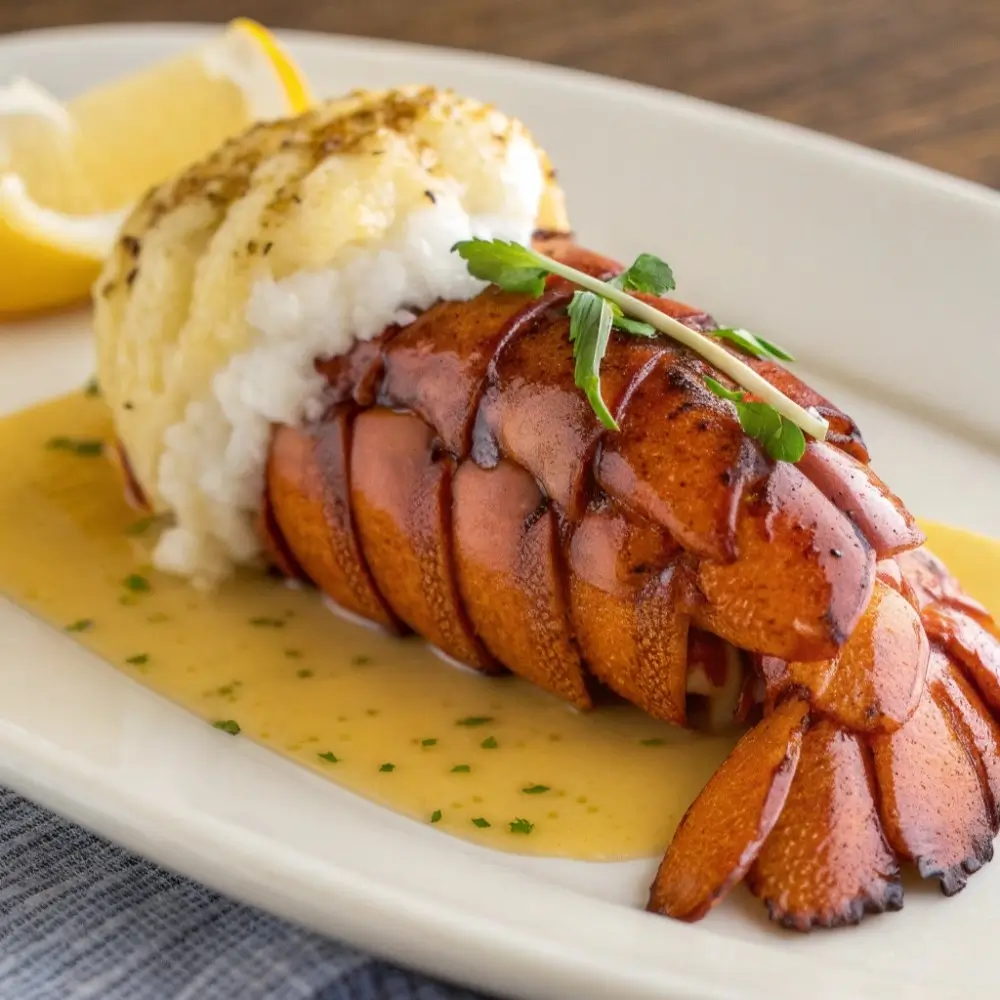
The meat is visible, gently lifted from the shell, and neatly arranged.
Juicy Texture
The lobster is cooked just until tender, never rubbery or dry.
Balanced Flavor
Butter enhances the natural sweetness without overpowering it.
Minimal Distraction
No heavy sauces or unnecessary ingredients compete with the lobster.
This recipe is designed to hit all of those points without adding stress or extra work.
Choosing the Right Lobster Tails for a Polished Result
Frozen vs Fresh
Most restaurants use frozen lobster tails unless they’re located directly on the coast. High-quality frozen tails are reliable, consistent, and easy to store.
Ideal Size for Presentation
6–8 ounce lobster tails are the best choice for a restaurant-style plate
They cook evenly and look generous without being overwhelming
What to Look For
Choose lobster tails with intact shells and no discoloration. Once thawed, the meat should be firm and slightly translucent, never mushy or gray.
Thawing Lobster Tails the Professional Way
Proper thawing ensures even cooking and a tender final texture.
Overnight Refrigerator Thaw
Place lobster tails on a plate in the refrigerator for 8–12 hours.
Quick Cold-Water Thaw
Seal the tails in a bag and submerge in cold water for 30–45 minutes. Change the water once if needed.
Never rush thawing with warm water, as it affects texture.
Preparing Lobster Tails for Restaurant-Style Presentation
Cutting the Shell
Use kitchen scissors to cut straight down the center of the top shell, stopping before the tail fin.
Lifting the Meat
Carefully loosen the meat from the shell using your fingers or a spoon. Lift it and rest it on top of the shell, keeping it attached at the base.
This step is what gives lobster tail its signature restaurant look.
The Key to Juicy, Restaurant-Style Lobster
The biggest difference between restaurant lobster and disappointing home lobster is cooking time. Restaurants cook lobster just until done, not a second longer.
High heat for a short time allows the meat to cook quickly while staying juicy. Baking at the right temperature achieves this consistently at home.
Restaurant-Style Baked Lobster Tail Recipe
Ingredients
2 lobster tails (6–8 oz each)
4 tablespoons unsalted butter, melted
2 cloves garlic, finely minced
1 tablespoon lemon juice
½ teaspoon salt
¼ teaspoon black pepper
Optional garnish: finely chopped parsley or lemon wedges
Instructions
Preheat the oven to 425°F (220°C).
Prepare the lobster tails by cutting the shell and lifting the meat onto the shell.
Place the lobster tails on a baking dish lined with foil or parchment.
In a small bowl, mix melted butter, garlic, lemon juice, salt, and pepper.
Brush the butter mixture generously over the lobster meat.
Bake uncovered for 12–15 minutes, depending on size, until the meat is opaque and tender.
Remove from the oven and spoon any remaining butter from the pan over the lobster before serving.
The lobster should look glossy, lightly golden, and plump—never shriveled.
How to Know When Lobster Tail Is Perfectly Cooked
Meat turns opaque white
Texture is firm but springy
Internal temperature reaches 135–140°F
If the lobster begins to curl tightly or looks dry, it has cooked too long.
Simple Restaurant-Style Side Dishes
Restaurants pair lobster with sides that enhance, not compete.
Creamy Mashed Potatoes
Smooth, lightly seasoned potatoes create a classic pairing.
Roasted Asparagus or Green Beans
Adds color and freshness to the plate.
Rice or Orzo
Soaks up butter without overpowering the lobster.
Light Salad
A crisp salad balances the richness of the meal.
Plating Tips for a Restaurant Look at Home
Use warm plates
Place the lobster tail slightly off-center
Spoon extra butter lightly over the meat
Add lemon wedges for color and brightness
Presentation doesn’t need to be complicated—it just needs intention.
Making This Dish Feel Upscale Without Extra Effort
Small details make a big difference:
Clean plate edges
Simple garnishes
Neutral-colored plates
Thoughtful portioning
These touches elevate the dish without adding work.
Cooking for Date Nights or Special Evenings
This lobster tail recipe is ideal when you want to impress without being stuck in the kitchen. The active cooking time is short, allowing you to focus on the experience instead of the process.
Serve with two simple sides and finish with a light dessert for a complete restaurant-style dinner at home.
Making Lobster Tail for One, Two, or More Guests
This recipe scales easily. Place lobster tails in a single layer with space between them. Avoid stacking or crowding to ensure even cooking.
Storing and Reheating Without Losing Quality
Refrigeration
Store leftover lobster in an airtight container for up to 2 days.
Reheating
Reheat gently in the oven at low heat, covered with foil and a little butter. Avoid microwaving, as it toughens the meat.
Common Mistakes That Ruin Restaurant-Style Lobster
Overcooking the lobster
Using too much seasoning
Cooking at too low a temperature
Skipping the shell preparation step
Letting lobster sit before serving
Avoiding these ensures consistent results.
Frequently Asked Questions
Is lobster tail really this easy to make?
Yes. Baking lobster tail is one of the simplest seafood methods when done correctly.
Can I prepare lobster tails ahead of time?
You can cut and season them a few hours in advance, then bake just before serving.
What size lobster tail works best?
6–8 ounce tails provide the best balance of presentation and tenderness.
Can I use this method for frozen lobster tails?
Absolutely. Just thaw them properly first.
How do restaurants keep lobster tender?
They cook it quickly and stop as soon as it’s done.
Can I customize the seasoning?
Yes, but keep it light so the lobster remains the star.
Final Thoughts on Restaurant-Style Lobster Tail Made Simple
Restaurant-quality lobster tail doesn’t come from complicated techniques—it comes from understanding timing, temperature, and simplicity. This recipe strips away the unnecessary steps and focuses on what actually matters: tender texture, clean flavor, and polished presentation.
Whether you’re planning a date night, celebrating something special, or simply craving an elevated dinner at home, this lobster tail recipe delivers that upscale experience without pressure.
Once you’ve made it once, you’ll realize just how approachable restaurant-style lobster tail can be—and it may quickly become one of your favorite go-to meals when you want something impressive yet effortless.