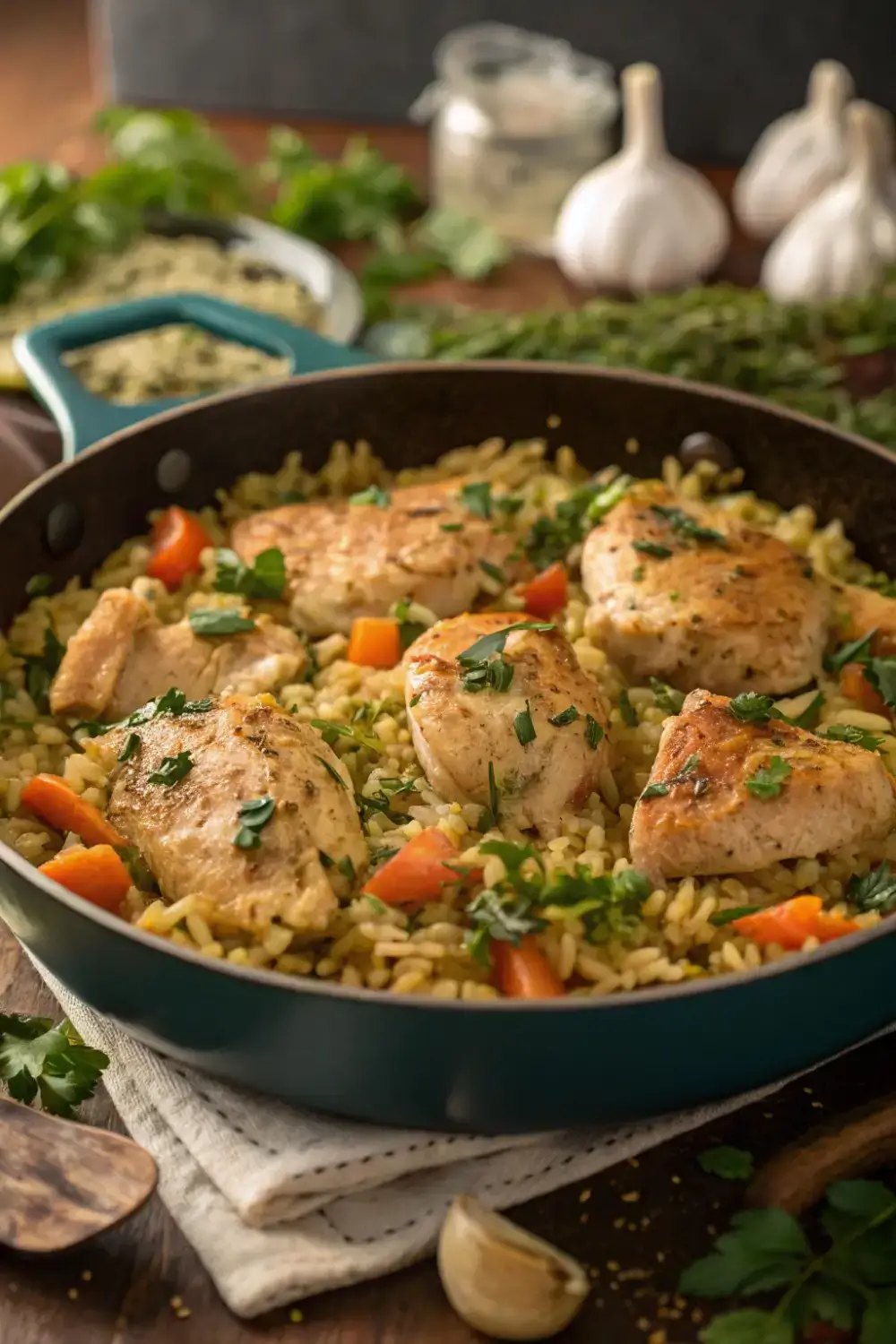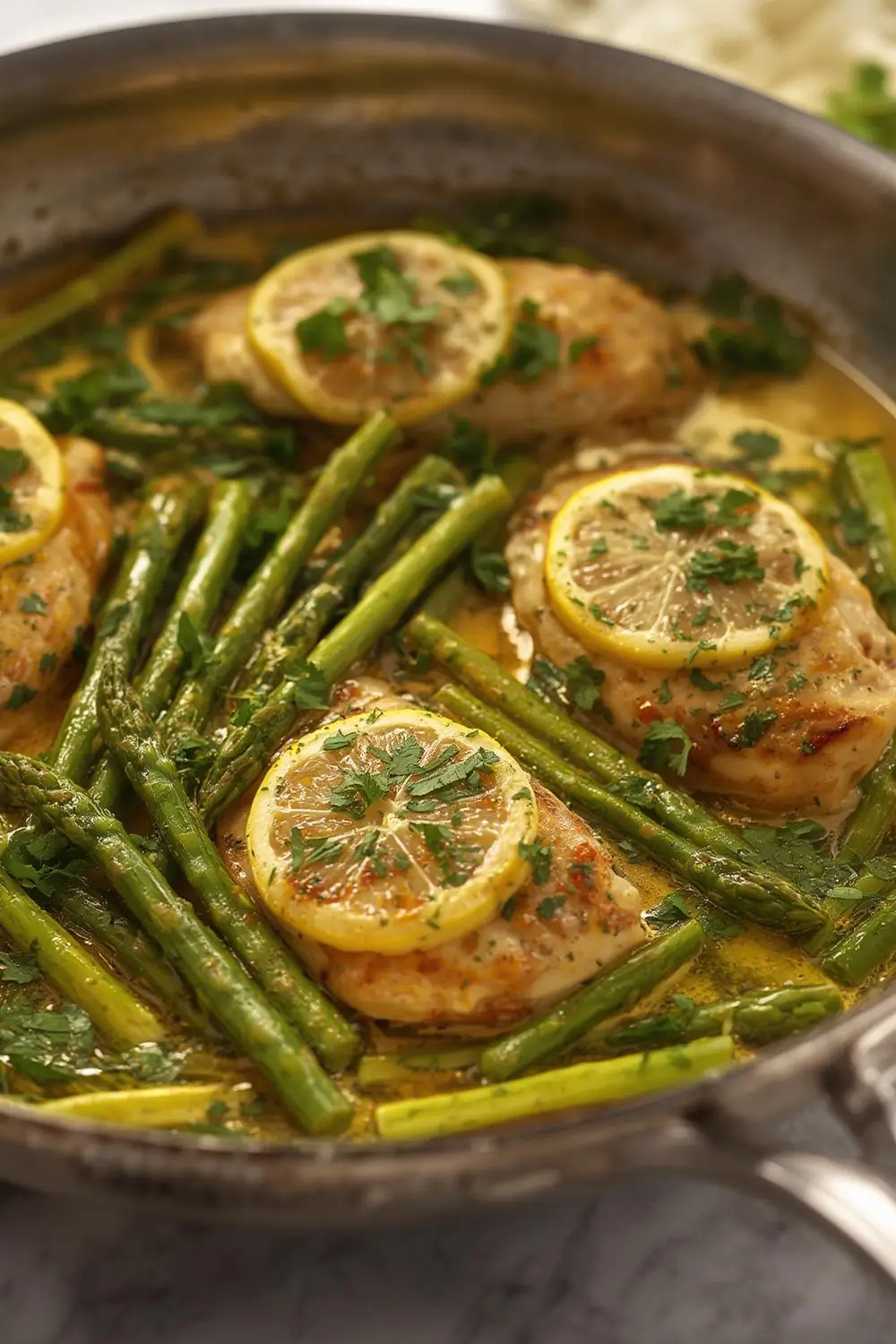
There’s something incredibly satisfying about a dinner that lands on the table in under 30 minutes, especially when it looks and tastes like it took hours. This Quick & Easy Lemon Butter Chicken with Asparagus Skillet Dinner is your answer. It’s a vibrant, one-pan wonder bursting with bright, tangy lemon and rich, savory butter, perfectly balanced by the tender crunch of fresh asparagus. It’s the ultimate weeknight hero, effortlessly elegant and packed with protein, ready to impress without demanding your entire evening.
Imagine juicy chicken breasts seared to a golden, irresistible crust, then bathed in a luscious sauce where lemon juice and butter dance together, creating a glossy, flavorful embrace for the tender asparagus spears. This skillet dinner is naturally gluten-free and low-carb, making it a fantastic choice for various dietary preferences. Served simply over a bed of fluffy rice, creamy mashed potatoes, or alongside a crisp salad, it transforms into a complete, satisfying meal. A final flourish of fresh parsley and a sprinkle of lemon zest elevates it from delicious to divine. Let’s dive into creating this weeknight magic.
Why This Skillet Dinner Wins:
- Lightning Fast: Ready in under 30 minutes – perfect for busy evenings.
- One Pan, One Dish: Minimal cleanup, maximum flavor.
- Bright & Tangy: The lemon butter sauce is the star, cutting through richness.
- Nutritious & Protein-Packed: Lean chicken and fiber-rich asparagus.
- Versatile: Serve it however you like – rice, potatoes, salad.
- Elegant Simplicity: Looks impressive without being complicated.
Gathering Your Ingredients: The Foundation of Flavor
Before you start sizzling, ensure you have everything you need. This recipe relies on fresh, quality ingredients for the best results. Here’s your shopping list:
Chicken: 2 boneless, skinless chicken breasts (about 6-8 ounces each). Why? They cook quickly and stay juicy. Tip:* If using larger breasts, slice them horizontally to create thinner cutlets for even cooking.
Asparagus: 1 pound (about 1 large bunch). Why? Fresh asparagus is essential for that perfect crisp-tender texture. Tip:* Snap off the woody ends – they’ll naturally break where they should be cut.
Butter: 4 tablespoons (1/2 stick) unsalted butter. Why? Provides the rich base for the sauce and helps the chicken brown beautifully. Tip:* Use unsalted so you control the salt.
Lemon: 1 large lemon (about 3-4 tablespoons juice). Why? The bright acidity is crucial for the sauce’s character. Tip: Zest the lemon before* juicing for maximum flavor.
Garlic: 2 cloves, minced. Why?* Adds a subtle depth that complements the lemon beautifully.
Salt & Black Pepper: To taste. Why?* Essential for seasoning the chicken and enhancing all the other flavors.
- Optional Additions: A pinch of red pepper flakes for a hint of heat, or a splash of chicken broth for extra sauce richness.
The Step-by-Step Journey: From Pan to Plate
Now, let’s transform these ingredients into a stunning skillet dinner. This process is straightforward, but paying attention to detail ensures perfection.
1. Prep is Key: Start by patting the chicken breasts very dry with paper towels. This is crucial for achieving a good sear. Season both sides generously with salt and freshly ground black pepper. Mince the garlic cloves. Zest the lemon, then juice it (you should have about 3-4 tablespoons). Chop the parsley.
2. Heat the Pan: Place a large, heavy-bottomed skillet (cast iron or stainless steel works best) over medium-high heat. Add the 2 tablespoons of butter. Let it melt completely, swirling the pan to coat the bottom.
3. Sear the Chicken: Carefully place the seasoned chicken breasts in the hot skillet. Do not move them! Sear undisturbed for 3-4 minutes, or until a deep golden-brown crust forms on the first side. This caramelization is flavor gold. Flip the chicken and sear the other side for another 3-4 minutes, or until cooked through (internal temperature reaches 165°F / 74°C). Tip: If your chicken breasts are thick, you can cover the pan briefly to help them cook through faster without burning the outside. Remove the chicken to a clean plate and tent loosely with foil to keep warm.
4. Sauté the Asparagus: In the same skillet (add a tiny bit more butter if needed), add the asparagus spears. Season lightly with salt and pepper. Sauté for 3-5 minutes, tossing occasionally, until they are bright green, crisp-tender, and slightly charred in spots. Tip: Don’t overcook the asparagus; it should retain a pleasant bite.
5. Create the Lemon Butter Sauce: Reduce the heat to medium-low. Add the minced garlic to the skillet with the asparagus. Cook, stirring constantly, for about 30 seconds until fragrant – don’t let it burn!
6. Deglaze & Simmer: Pour in the freshly squeezed lemon juice. Use a wooden spoon to scrape up any delicious browned bits stuck to the bottom of the pan (this is called deglazing – pure flavor!). Let the lemon juice bubble and reduce slightly for about 1 minute.
7. Finish the Sauce: Reduce the heat to low. Add the remaining 2 tablespoons of butter, a few pieces at a time, whisking constantly until fully melted and incorporated. This creates a silky, emulsified sauce. Whisk in the lemon zest. Taste and adjust seasoning with salt and pepper if needed.
8. Combine & Serve: Return the seared chicken breasts to the skillet, nestling them into the lemon butter sauce. Spoon the sauce generously over the top. Let it simmer gently for 1-2 minutes to allow the chicken to absorb some of the sauce’s flavor. Garnish immediately with the chopped fresh parsley and a final sprinkle of lemon zest. Serve hot and enjoy the vibrant flavors!
Variations & Substitutions: Making it Your Own
This recipe is wonderfully adaptable! Here are some ideas to tweak it to your taste or what you have on hand:
Chicken Swap: Use boneless, skinless chicken thighs instead of breasts for more flavor and juiciness. They take slightly longer (5-6 minutes per side). Tip:* Thighs are more forgiving if slightly overcooked.
- Veggie Boost: Add sliced mushrooms, cherry tomatoes, or green beans alongside the asparagus for extra color and nutrition. Add them in step 4 with the asparagus.
- Creamy Twist: Stir in 2-3 tablespoons of heavy cream or Greek yogurt into the sauce after adding the butter for a richer, slightly creamier texture (still low-carb friendly if using yogurt).
- Spice It Up: Add 1/4 teaspoon red pepper flakes to the garlic in step 5 for a subtle kick.
- Low-Carb Base: Serve the chicken and asparagus over cauliflower rice, zucchini noodles, or simply alongside a large salad.
- Gluten-Free: Naturally gluten-free as written. Ensure any broth or soy sauce (if used) is gluten-free.
- Dairy-Free: Use olive oil instead of butter for searing and sautéing. For the sauce, substitute vegan butter or a neutral oil. The sauce will be less rich but still flavorful.
Storage & Reheating: Keeping the Magic Alive
This skillet dinner is fantastic for meal prep! Here’s how to store and reheat it:
- Cooling: Let the cooked chicken and asparagus cool completely to room temperature (about 30 minutes).
- Storing: Transfer the leftovers to an airtight container. Store in the refrigerator for up to 3 days.
Reheating: Reheat gently in a skillet over medium-low heat, adding a splash of water or broth to prevent drying out. Stir occasionally until heated through (about 5-7 minutes). Alternatively, reheat in the microwave in 30-second bursts, stirring in between. Tip:* The sauce might thicken slightly upon reheating; just whisk in a little liquid to loosen it.
- Freezing: This dish doesn’t freeze well due to the asparagus texture changing. Best enjoyed fresh or within a few days of cooking.
Common Mistakes to Avoid: Ensuring Success Every Time
Even simple recipes can trip us up. Here’s how to avoid pitfalls:
- Overcrowding the Pan: Cooking too much chicken at once lowers the pan’s temperature, leading to steaming instead of searing. Cook in batches if necessary.
- Not Patting Chicken Dry: Moisture prevents browning. Always pat chicken breasts thoroughly dry.
- Overcooking the Chicken: This is the #1 reason chicken becomes dry. Use a meat thermometer (165°F / 74°C is perfect) and remove it just as it hits that temperature. It will continue to cook slightly off the heat.
- Burning the Garlic: Garlic burns quickly. Add it to the pan only after the butter has melted and the pan is hot, and cook it for just 30 seconds – no longer.
- Skipping the Rest: Letting the chicken rest for 5 minutes after cooking allows the juices to redistribute, keeping it moist when you slice it.
- Using Bottled Lemon Juice: Fresh lemon juice is essential for the bright, vibrant flavor. Bottled juice lacks the same complexity.
- Not Deglazing: Those browned bits (fond) are pure flavor gold. Always deglaze the pan with the lemon juice to incorporate them into the sauce.
Your Questions Answered: FAQs
- Q: Can I use frozen chicken breasts? A: It’s best to use thawed chicken breasts. If using frozen, pat them very* dry and increase the searing time slightly (3-4 minutes per side). Ensure they reach 165°F internally.
- Q: What if I don’t have fresh asparagus? A: Frozen asparagus works in a pinch, but thaw it first and pat it dry. It will be softer than fresh. Trimmed fresh green beans or sugar snap peas are good substitutes.
- Q: Can I make this ahead of time? A: You can prep the sauce ingredients (zest, juice, minced garlic) and have the chicken and asparagus prepped (trimmed, sliced if needed). Assemble and cook just before serving for the best texture.
- Q: Is this dish kid-friendly? A: Absolutely! The lemon flavor is bright but not overpowering. You can adjust the zest and pepper flakes to suit younger palates. Serve with rice or potatoes they enjoy.
- Q: Can I double the recipe? A: Yes, but cook in batches if using a small skillet to avoid overcrowding. The sauce might need a minute or two longer to reduce.
- Q: What wine can I use if I want to include it? A: Important Note:* The dietary rules strictly prohibit wine, beer, whisky, and vodka. If you choose to ignore this rule (though we strongly advise against it), a dry white wine like Sauvignon Blanc or Pinot Grigio can be used in place of some of the chicken broth for deglazing and adding depth. Use sparingly (1/4 cup) and ensure it’s fully cooked off before adding the lemon juice and butter.
- Q: Why is resting the chicken important? A: Resting allows the muscle fibers in the chicken to relax and reabsorb the juices that were driven to the surface during cooking. Cutting into it immediately releases these juices, resulting in drier meat.
The Final Flourish: A Dish to Savor
There you have it – a vibrant, flavorful, and incredibly satisfying Quick & Easy Lemon Butter Chicken with Asparagus Skillet Dinner. It’s a testament to how simple ingredients, cooked with care, can create something truly special. The bright tang of lemon, the richness of butter, and the satisfying crunch of asparagus come together in a symphony of taste that’s perfect for any night of the week. It’s healthy, adaptable, and guaranteed to become a staple in your recipe rotation. So, grab that skillet, embrace the sizzle, and enjoy the delicious results of your culinary effort. Bon appétit!