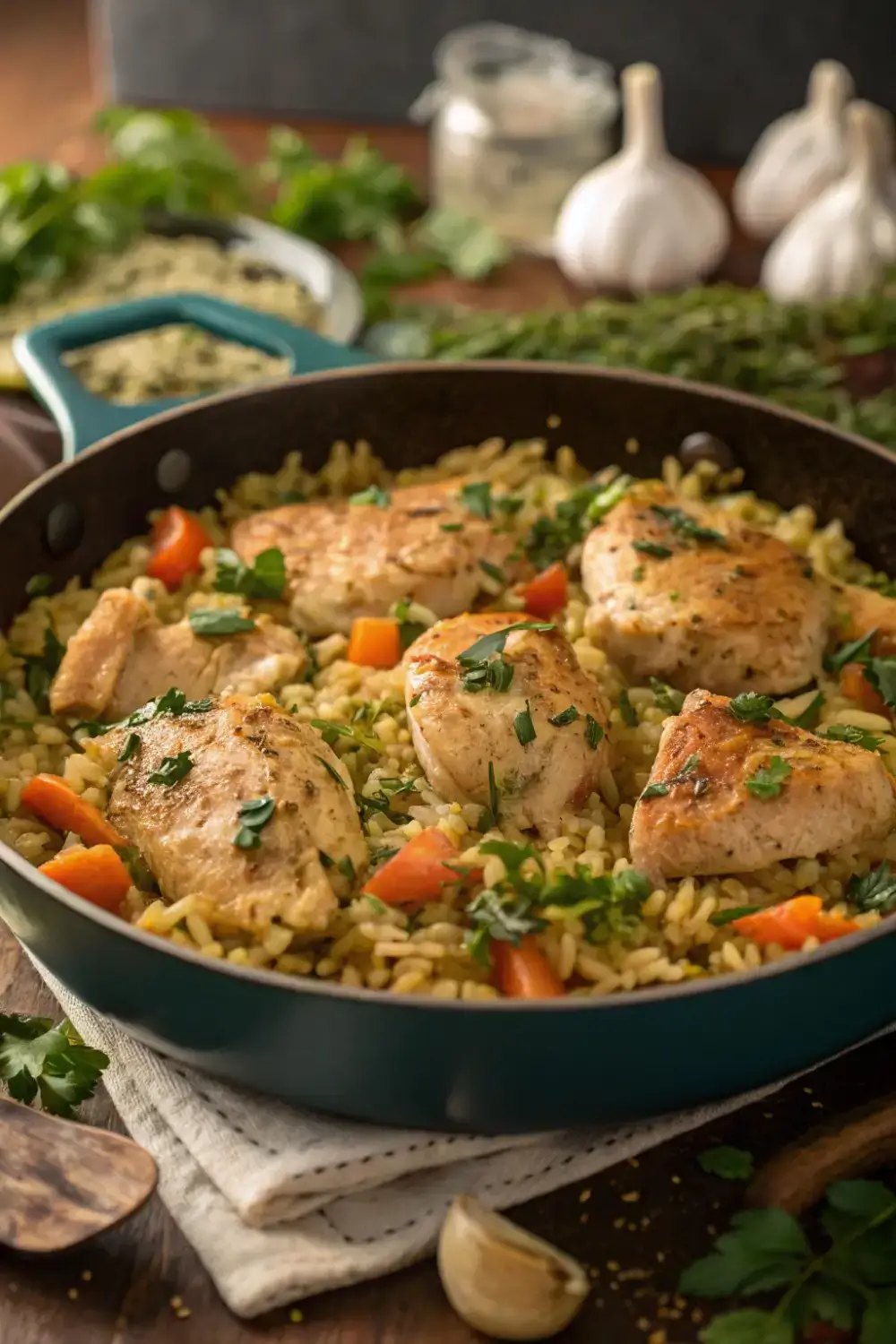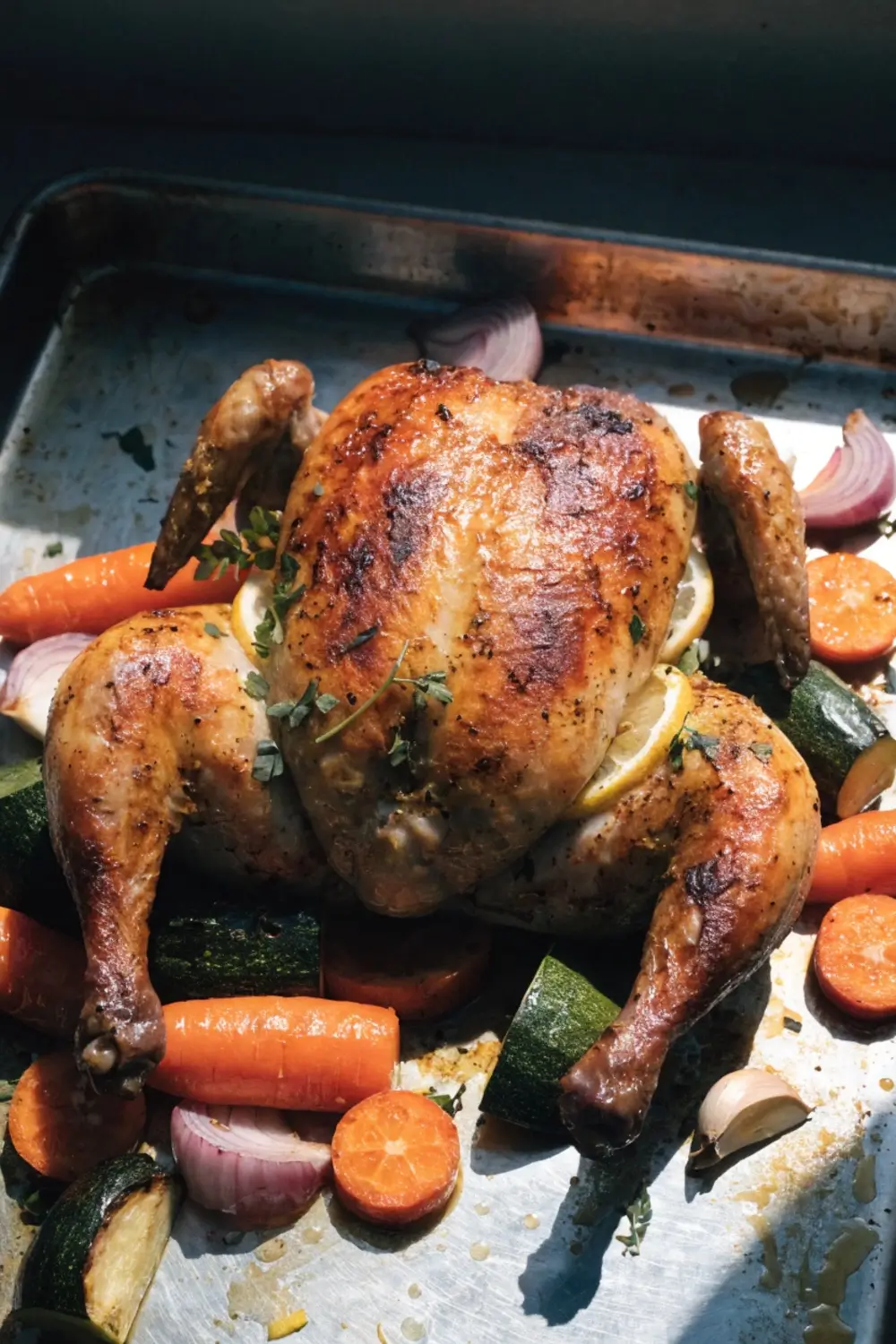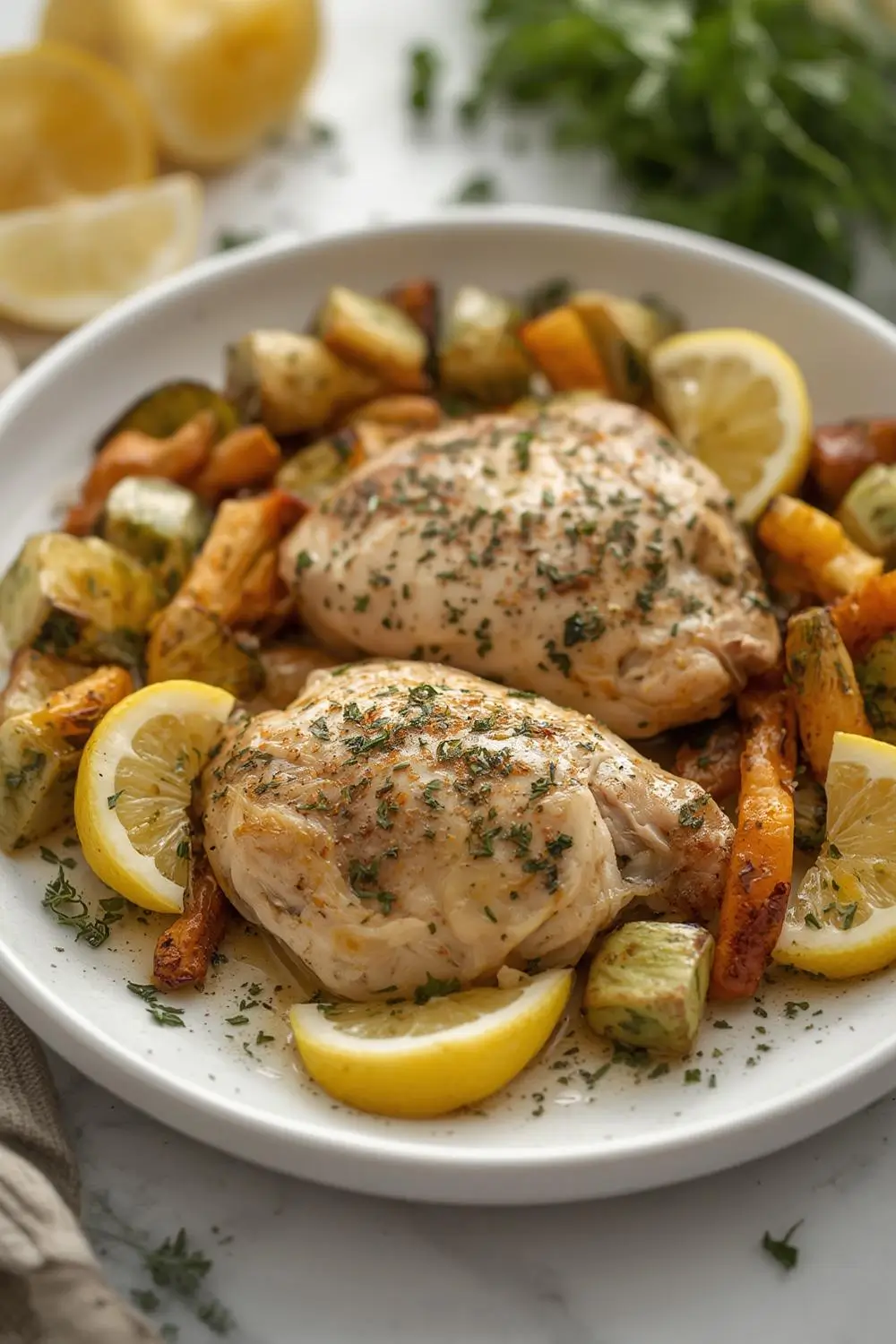
Imagine a dinner that bursts with the bright, fresh flavors of spring, effortlessly prepared in a single pan. This Lemon Herb Chicken with Roasted Spring Vegetables isn’t just a meal; it’s a celebration of seasonal produce and simple, satisfying cooking. Tender chicken thighs marinated in a fragrant blend of lemon zest, fresh herbs, and olive oil, roasted alongside crisp-tender carrots, sweet peas, tender asparagus, and baby potatoes until they develop a beautiful caramelized edge. The result is a dish that feels both luxurious and incredibly approachable, perfect for a lively family gathering or a quiet weeknight feast. Served alongside fluffy rice or warm crusty bread, it becomes a complete, wholesome experience that honors the best of the season.
Why This Recipe Works Wonders:
- One-Pan Magic: Minimal cleanup is a huge win for busy cooks.
- Flavor Explosion: The lemon zest and juice, combined with aromatic thyme and rosemary, create a refreshing, bright marinade that permeates the chicken and vegetables.
- Vegetable Harmony: Spring vegetables cook at different rates, but roasting them together ensures everything reaches perfect tenderness without any one vegetable becoming mushy.
- Family-Friendly: Appealing colors and flavors that please both adults and kids.
- Versatile: Easily adaptable to what’s fresh at your local market.
- Satisfying: The combination of protein, complex carbs (potatoes), and fiber-rich vegetables makes it a balanced and filling meal.
Gather Your Ingredients: Freshness is Key
The beauty of this recipe lies in the quality of its ingredients. Here’s what you’ll need:
- For the Chicken:
* 4 bone-in, skin-on chicken thighs (about 1.5 lbs total) – Skin-on helps keep the chicken juicy.
* 3 tablespoons extra-virgin olive oil, divided
* 2 tablespoons fresh lemon zest (from about 1 large lemon)
* 3 tablespoons fresh lemon juice (from about 1 large lemon)
* 4 cloves garlic, minced
* 1 tablespoon fresh thyme leaves (or 1 teaspoon dried)
* 1 tablespoon fresh rosemary leaves, finely chopped (or 1 teaspoon dried)
* 1 teaspoon salt
* 1/2 teaspoon black pepper
* 1/2 teaspoon paprika (optional, for a subtle smokiness)
- For the Roasted Spring Vegetables:
* 1 pound baby potatoes (red or yellow), halved or quartered if large
* 1 pound asparagus, trimmed and cut into 1.5-inch pieces
* 1 cup small carrots, peeled and cut into 1-inch chunks
* 1 cup fresh or frozen peas (add during the last 5 minutes of roasting)
* 2 tablespoons extra-virgin olive oil
* 1 teaspoon salt
* 1/2 teaspoon black pepper
* 1/2 teaspoon dried thyme (or 1 teaspoon fresh)
* 1/2 teaspoon dried rosemary (or 1 teaspoon fresh)
* 1/2 teaspoon garlic powder
* 1/4 teaspoon red pepper flakes (optional, for a hint of heat)
- For Serving (Optional):
* Fresh parsley or chives, chopped
* Lemon wedges
* Crusty bread or cooked rice
Step-by-Step Instructions: From Bowl to Plate
1. Prep the Chicken: Pat the chicken thighs dry with paper towels. This helps the marinade adhere better. In a medium bowl, whisk together 3 tablespoons olive oil, lemon zest, lemon juice, minced garlic, thyme, rosemary, salt, pepper, and paprika (if using). Place the chicken thighs in a shallow dish or resealable bag. Pour the marinade over the chicken, turning to coat evenly. Cover and refrigerate for at least 30 minutes, or ideally 1-2 hours, for maximum flavor infusion.
2. Prep the Vegetables: While the chicken marinates, preheat your oven to 425°F (220°C). Line a large, rimmed baking sheet with parchment paper for easy cleanup. In a large bowl, toss the baby potatoes with 2 tablespoons olive oil, 1 teaspoon salt, 1/2 teaspoon black pepper, 1 teaspoon thyme, and 1 teaspoon rosemary. Spread the potatoes in an even layer on the prepared baking sheet. Roast for 15 minutes.
3. Add Asparagus & Carrots: After 15 minutes, remove the baking sheet from the oven. Add the asparagus and carrots to the same baking sheet with the potatoes. Toss everything together with the remaining olive oil, salt, pepper, garlic powder, and red pepper flakes (if using). Spread the vegetables out in a single layer.
4. Roast the Vegetables: Return the baking sheet to the oven and roast for another 15-20 minutes, or until the potatoes are tender and starting to brown, and the asparagus is crisp-tender. Stir the vegetables once or twice during roasting to ensure even cooking.
5. Cook the Chicken: While the vegetables roast, remove the chicken thighs from the marinade (discard the used marinade). Place the chicken thighs skin-side up on the baking sheet with the vegetables, nestling them among the veggies. Avoid overcrowding if possible.
6. Final Roast: Return the baking sheet to the oven and roast for 25-35 minutes, or until the chicken thighs are cooked through (internal temperature reaches 165°F / 74°C) and the skin is golden brown and crispy. The vegetables should be tender and caramelized. If the chicken skin isn’t crispy enough, you can broil it for the last 2-3 minutes, watching carefully to prevent burning.
7. Finish & Serve: Once cooked, remove the baking sheet from the oven. Let the chicken rest for 5 minutes before serving. This allows the juices to redistribute, keeping the meat succulent. Sprinkle the roasted vegetables with fresh chopped parsley or chives. Serve the chicken thighs alongside the vibrant roasted vegetables. Offer lemon wedges and crusty bread or rice on the side.
Tips for Perfect Results Every Time
- Don’t Skip the Rest: Letting the chicken rest is crucial for juicy results. It prevents the juices from spilling out onto the plate.
- Pat Dry is Essential: Moisture on the chicken skin prevents it from crisping up. Take the time to pat it dry.
- Don’t Overcrowd the Pan: If your baking sheet is too crowded, the chicken won’t brown properly and the vegetables might steam instead of roast. Work in batches if necessary.
- Adjust Roasting Time: Cooking times can vary slightly based on the size of your chicken thighs and the exact temperature of your oven. Use the internal temperature as your guide (165°F / 74°C).
- Veggie Size Matters: Cutting vegetables to a similar size ensures they cook evenly. Uniform chunks are key.
- Fresh Herbs Win: Whenever possible, use fresh thyme and rosemary. They impart a much brighter, more aromatic flavor than dried.
- Lemon Zest is Non-Negotiable: The zest adds a concentrated burst of lemon flavor that dried juice can’t replicate. Don’t skip it!
Variations and Substitutions: Make it Your Own
- Chicken Swap: Use boneless, skinless chicken breasts instead of thighs. They cook faster, so reduce the roasting time by about 10-15 minutes and check for doneness sooner. They can dry out more easily, so consider basting them with a little extra marinade or oil during roasting.
- Vegetable Flexibility: This recipe is incredibly adaptable. Swap out asparagus for green beans or broccoli florets. Replace baby carrots with diced bell peppers or zucchini. Add cherry tomatoes during the last 10 minutes of roasting. Use whatever spring vegetables look freshest at your market.
- Herb Freedom: If you don’t have thyme or rosemary, use a mix of oregano, basil, or a simple blend of Italian herbs. The lemon zest and juice will still shine.
- Spice It Up: Add a pinch of cayenne pepper or a dash of hot sauce to the marinade for a little kick.
- Creamy Twist: For a richer sauce, after removing the chicken, transfer the roasted vegetables to a bowl. Place the baking sheet back on the stove over medium heat. Add 2 tablespoons of the pan drippings to the hot pan. Whisk in 2 tablespoons of flour to make a roux, cooking for 1 minute. Gradually whisk in 1 cup of chicken broth or water, scraping up any browned bits. Simmer until thickened. Return the vegetables and chicken to the pan, coating them in the sauce. Simmer for 5 minutes.
- Gluten-Free: Naturally gluten-free. Ensure your broth or any added sauces are gluten-free if using.
Storage and Reheating: Enjoy Leftovers
- Cooling: Let the entire dish cool completely before storing. Place leftovers in an airtight container.
- Refrigeration: Store in the refrigerator for up to 3 days.
- Reheating: Reheat leftovers gently in a skillet over medium-low heat, adding a splash of water or broth to prevent drying out. Alternatively, reheat in the microwave in 30-second intervals, stirring occasionally. Avoid high heat to preserve texture.
- Freezing: This dish freezes well. Cool completely, portion into freezer-safe containers or bags, and freeze for up to 3 months. Thaw overnight in the refrigerator before reheating.
Common Mistakes to Avoid
- Skipping the Rest: This is the biggest culprit for dry chicken. Resist the urge to dive right in!
- Overcrowding the Pan: Leads to steaming, not roasting, resulting in soggy vegetables and pale chicken skin.
- Using Wet Chicken: Patting the chicken dry is non-negotiable for crispy skin.
- Rushing the Marinating: While 30 minutes helps, longer marinating (up to 2 hours) significantly boosts flavor.
- Cutting Vegetables Too Small: Tiny pieces can burn before the chicken is done. Aim for chunks that are bite-sized but substantial.
- Not Preheating the Oven: Ensures proper browning and cooking.
- Ignoring Internal Temperature: Relying solely on time can lead to undercooked or overcooked chicken. Use a meat thermometer.
Frequently Asked Questions
1. Can I use chicken breasts instead of thighs?
* Yes, but reduce the roasting time by about 10-15 minutes and check for doneness at 165°F (74°C). Breasts can dry out more easily, so consider basting them with extra marinade or oil during roasting.
2. What if my vegetables aren’t tender enough?
* Ensure they are cut into similar sizes for even cooking. If they need more time, return the pan to the oven for 5-10 minutes, checking frequently. You can also par-cook harder vegetables like potatoes slightly before roasting.
3. Can I make this dish ahead of time?
* You can marinate the chicken ahead of time. Assemble and roast it close to serving time for the best texture and flavor. The roasted vegetables can be made ahead and reheated gently.
4. Is this dish gluten-free?
* Yes, it is naturally gluten-free. Ensure any added broths or sauces are certified gluten-free if necessary.
5. How do I get crispy chicken skin?
Pat the chicken thighs very* dry before seasoning and roasting. Ensure the oven is hot enough (425°F / 220°C). Don’t overcrowd the pan. Broiling for the last 2-3 minutes can also help achieve extra crispiness.
6. Can I add garlic powder to the marinade?
* Absolutely! Adding 1/2 teaspoon of garlic powder to the marinade is a great way to boost the garlic flavor without adding extra fresh cloves. It’s a common and delicious addition.
A Final Note on Enjoyment
This Lemon Herb Chicken with Roasted Spring Vegetables is more than just a recipe; it’s a taste of spring captured on a plate. The vibrant colors, the intoxicating aroma of fresh herbs mingling with lemon, and the perfect harmony of tender chicken and caramelized vegetables create a dining experience that’s both deeply satisfying and incredibly uplifting. It’s a dish that feels special enough for a celebration yet simple enough for a busy weeknight. So gather your ingredients, embrace the process, and savor the delicious results of your efforts. Enjoy every bright, flavorful bite!