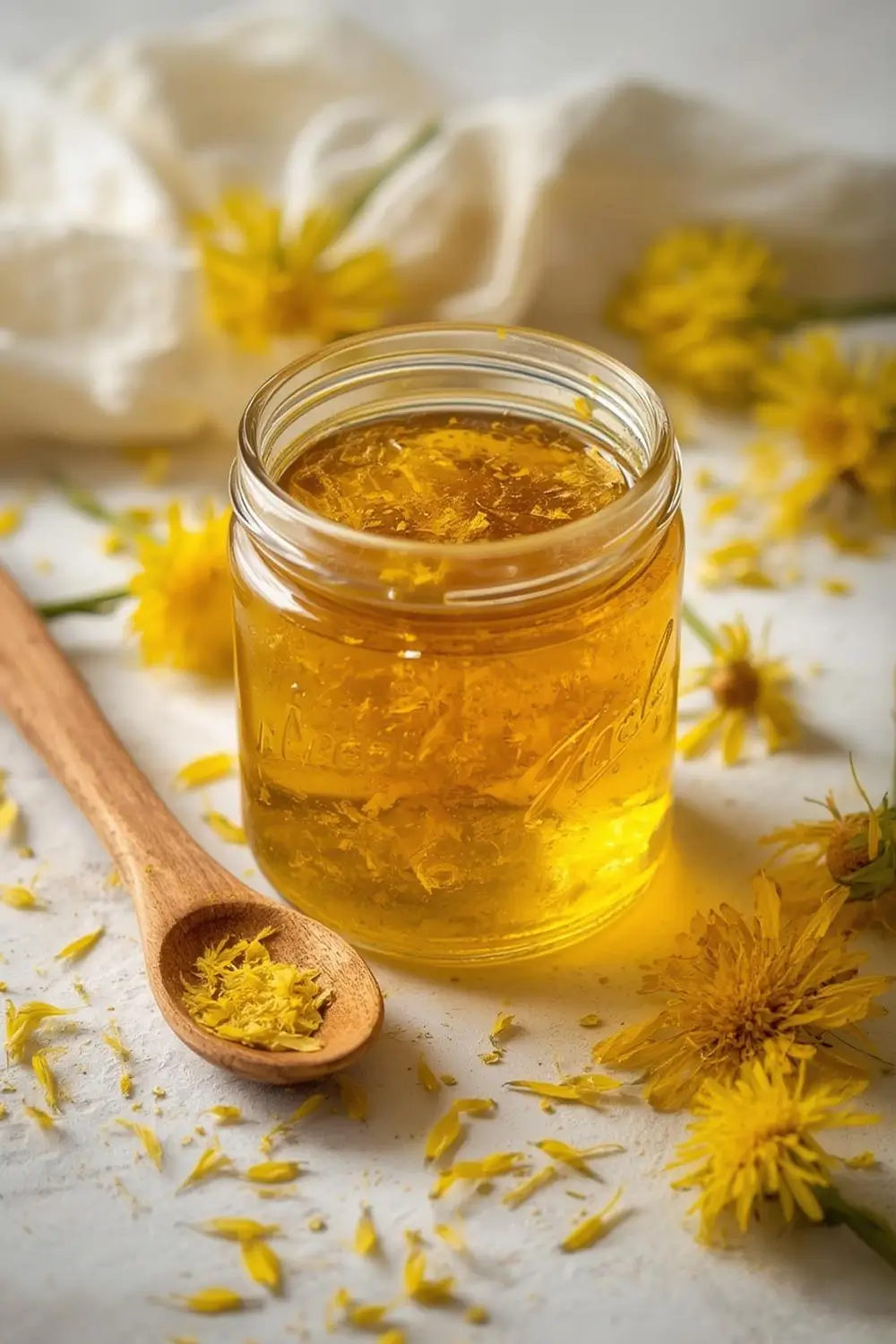
Imagine transforming those cheerful yellow dandelions dotting your lawn into something truly special. This isn’t just any syrup; it’s a vibrant, floral elixir capturing the essence of spring. Our Golden Syrup Recipe with Dandelion Flowers turns humble blossoms into a silky, aromatic treasure perfect for drizzling over fluffy pancakes, sweetening your morning tea, or adding a unique floral note to desserts. This step-by-step guide walks you through harvesting fresh dandelion blossoms, steeping them in sugar and water, and straining the mixture to create a glossy, fragrant syrup that brings the taste of the outdoors right to your kitchen table.
Why Dandelion Syrup?
Dandelion flowers aren’t just pretty faces; they hold a surprising depth of flavor. When infused into a simple syrup, they release a delicate, honey-like sweetness with subtle floral undertones. This homemade version is far superior to anything you’ll find in a store – it’s pure, natural, and bursting with the unique character of the dandelion itself. It’s a wonderful way to connect with nature and reduce waste, turning what many consider a weed into a culinary delight.
The Magic of Spring
Harvesting dandelion flowers is a simple joy of early spring. The key is to gather them when they are freshly opened, typically on a sunny morning after the dew has dried. Look for blossoms that are vibrant yellow, free from browning or wilting, and ensure they haven’t been sprayed with any pesticides. This syrup isn’t just a recipe; it’s a celebration of seasonal foraging and the incredible flavors nature provides.
Ingredients: Simplicity at Its Finest
The beauty of this recipe lies in its minimalism. You only need three core ingredients:
- Dandelion Flowers: About 4-5 cups of freshly picked, pesticide-free blossoms. (See harvesting tips below).
- Granulated Sugar: 4 cups (1 pound / 450g). White granulated sugar is traditional, but you can experiment with organic cane sugar or even coconut sugar for a slightly different flavor profile. Avoid raw sugar or brown sugar, as their larger crystals won’t dissolve properly.
- Water: 4 cups (32 fluid ounces / 1 liter). Use filtered or spring water for the purest taste.
Essential Equipment
- Large, non-reactive pot (stainless steel or enameled cast iron).
- Fine-mesh strainer or cheesecloth.
- Large bowl or pitcher.
- Funnel.
- Clean glass jars or bottles with tight-fitting lids (mason jars work perfectly).
- Wooden spoon or heatproof spatula.
- Measuring cups and spoons.
- Clean kitchen towels or paper towels.
Harvesting Dandelion Flowers: A Beginner’s Guide
- Timing is Key: Harvest on a dry, sunny morning after the dew has evaporated. This is when the flowers are fully open and at their peak.
Identify Correctly: Ensure you are picking Dandelion (Taraxacum officinale*). They have distinctive, deeply toothed leaves and a single, hollow stem. Avoid any flowers that look wilted, brown, or have been treated with chemicals.
- Gentle Picking: Pinch or snip the flower head at the base where it meets the stem. Try to get as much of the green base as possible without including too much of the bitter green parts. A clean cut minimizes bruising.
- Quantity: Aim for about 4-5 cups of loosely packed blossoms. They will shrink significantly during the process.
- Cleaning: Gently shake off any loose dirt or insects. A quick rinse under cool running water is usually sufficient. Pat them very dry with a clean towel before using. Excess moisture can dilute the syrup and affect the steeping process.
Step-by-Step Instructions: Crafting Your Golden Elixir
1. Prepare the Flowers: Gently remove the green sepals (the little green leaves at the base of the flower head) and any brown or wilted petals. You want just the bright yellow petals. Discard the green parts, as they can impart a slightly bitter taste. Roughly tear or break the petals into smaller pieces to increase surface area for steeping.
2. Combine Ingredients: Place the prepared dandelion petals into your large, clean pot. Add the 4 cups of water and the 4 cups of sugar. Stir gently to combine.
3. Steep with Care: Place the pot over medium-low heat. Stir occasionally as the mixture warms up. You don’t need a rolling boil. The goal is to dissolve the sugar completely and gently infuse the petals. This should take about 10-15 minutes. Avoid letting it simmer vigorously, as this can make the syrup cloudy and potentially bitter.
4. Infuse the Flavor: Once the sugar is fully dissolved, reduce the heat to low. Cover the pot loosely with a lid or a piece of parchment paper. Let the mixture steep for a minimum of 30 minutes, but ideally 1-2 hours. This is where the magic happens! The longer it steeps, the stronger and more flavorful your syrup will be. Check periodically and give it a gentle stir.
5. Strain with Patience: After steeping, remove the pot from the heat. Allow the mixture to cool slightly for about 10-15 minutes. This makes straining easier and prevents the syrup from being too hot when you handle it.
6. Strain Thoroughly: Set your fine-mesh strainer over a large bowl or pitcher. Line the strainer with several layers of cheesecloth or a clean, thin kitchen towel for the best results. Pour the infused liquid through the strainer. Gently press down on the petals with the back of a spoon or spatula to extract as much liquid as possible. Discard the spent petals.
7. Cool and Transfer: Let the strained syrup cool completely to room temperature. This is crucial before bottling to prevent condensation and potential spoilage. Once cooled, carefully pour the golden syrup into your clean, sterilized glass jars or bottles using a funnel. Seal tightly with the lids.
8. Store for Enjoyment: Store your homemade dandelion syrup in a cool, dark place like a pantry or cupboard. It will keep for several months. For longer storage (up to a year), you can refrigerate it after it’s completely cooled. Refrigeration will extend its shelf life significantly.
Tips for Success: Mastering the Process
- Patience Pays Off: Don’t rush the steeping time. Longer steeping equals more intense flavor.
- Gentle Heat: Avoid boiling vigorously. Low and slow is the way to go for clarity and flavor.
- Sterilize Jars: Ensure your jars and lids are clean and sterilized (run them through the dishwasher or wash in hot soapy water and rinse thoroughly) to prevent contamination and spoilage.
- Cool Completely: Always allow the syrup to cool completely before sealing the jars. Hot syrup can create condensation inside the jar, leading to spoilage.
- Taste as You Go: If you’re unsure about the steeping time, taste a small amount after 30 minutes. You can always steep longer if needed.
- Adjust Sweetness: If you prefer a less sweet syrup, you can reduce the sugar slightly next time. The flavor intensity of the petals can vary.
- Use Fresh: For the best flavor, use freshly harvested petals. Dried flowers are not recommended for this recipe.
Variations and Substitutions: Making it Your Own
- Citrus Twist: Add the zest of one lemon or orange to the steeping mixture for a bright, refreshing note that complements the floral sweetness beautifully.
- Spiced Delight: Add a few whole spices during steeping – a cinnamon stick, a few whole cloves, or a star anise pod. Remove them before straining.
- Honey Instead of Sugar: Substitute 1:1 with honey for a different flavor profile. Note that honey is sweeter, so you might want to use slightly less. The syrup will be darker and have a distinct honey taste.
- Coconut Sugar: As mentioned, use organic coconut sugar for a caramel-like undertone.
- Vanilla Infusion: Add a split vanilla bean (seeds scraped in, pod included) during steeping for a luxurious, aromatic depth.
- Less Sweet? Use Less Sugar: If you prefer a less sweet syrup, simply reduce the amount of sugar in the recipe. The flavor will be more pronounced.
Storage and Reheating: Keeping it Perfect
- Room Temperature: Stored properly in a sealed jar in a cool, dark place, your syrup will last several months.
- Refrigeration: For maximum shelf life (up to a year), store it in the refrigerator after it has cooled completely. The flavor may mellow slightly over time.
- Freezing: You can freeze the syrup in ice cube trays or small containers. This is excellent for portion control and long-term storage. Thaw in the refrigerator before use.
- Reheating: To reheat, simply place the jar in a bowl of warm water or gently warm the syrup in a saucepan over low heat, stirring constantly. Do not boil. Use it immediately after reheating.
Common Mistakes to Avoid: Ensuring Clarity and Flavor
- Using Wilted or Brown Petals: These impart bitterness and a muddy color.
- Rushing the Steeping: Short steeping times result in a weak flavor.
- Boiling Vigorously: This causes cloudiness and potential bitterness.
- Skipping the Cooling Step: Pouring hot syrup into jars traps moisture, leading to spoilage.
- Not Sterilizing Jars: This is the primary cause of spoilage.
- Using Raw or Brown Sugar: Their larger crystals don’t dissolve properly, leaving a gritty texture.
- Including Too Much Green: The green parts are bitter and should be removed.
- Using Pesticided Flowers: This is unsafe and ruins the flavor.
Frequently Asked Questions (FAQs)
1. Can I use dried dandelion flowers?
* While possible, dried flowers lack the vibrant flavor and color of fresh ones. The syrup will be much weaker and less appealing. Fresh is definitely best.
2. What if my syrup turns cloudy?
* This can happen if you boiled it too vigorously or didn’t steep long enough. It’s still safe to eat, but the flavor might be slightly less bright. Using filtered water and gentle heat helps prevent this.
3. How do I know if my syrup has spoiled?
* Signs include an off smell (sour, fermented), mold growth on the surface, or a significant change in color (becoming dark brown or black). If in doubt, discard it.
4. Can I use this syrup in cooking?
* Absolutely! It’s fantastic drizzled over pancakes, waffles, or ice cream. Use it to sweeten tea, coffee, or cocktails. It’s also lovely in salad dressings, marinades for poultry or fish, or as a glaze for roasted vegetables.
5. Is it safe to forage dandelions?
* Absolutely critical: Only harvest flowers from areas you know have NEVER been treated with pesticides, herbicides, or chemical fertilizers. Avoid roadsides, parks, or lawns that might have been sprayed. Organic gardens are the safest source.
6. How long does it last?
* Stored properly in a sealed jar in a cool, dark place, it typically lasts 6-12 months. Refrigeration extends this to 1-2 years. Always check for signs of spoilage before use.
A Final Sip of Golden Sunshine
Creating your own dandelion syrup is more than just a recipe; it’s an act of connection. It transforms a simple walk in the park into a source of culinary magic. The golden liquid that emerges, fragrant and sweet, is a testament to the hidden treasures nature offers. Whether you drizzle it over breakfast, sweeten your afternoon tea, or experiment with it in savory dishes, this homemade syrup brings a unique, floral brightness to your table. It’s a delicious reminder that sometimes, the most wonderful things grow right under our feet. Enjoy the process, savor the flavor, and let the sunshine of spring shine through every drop.