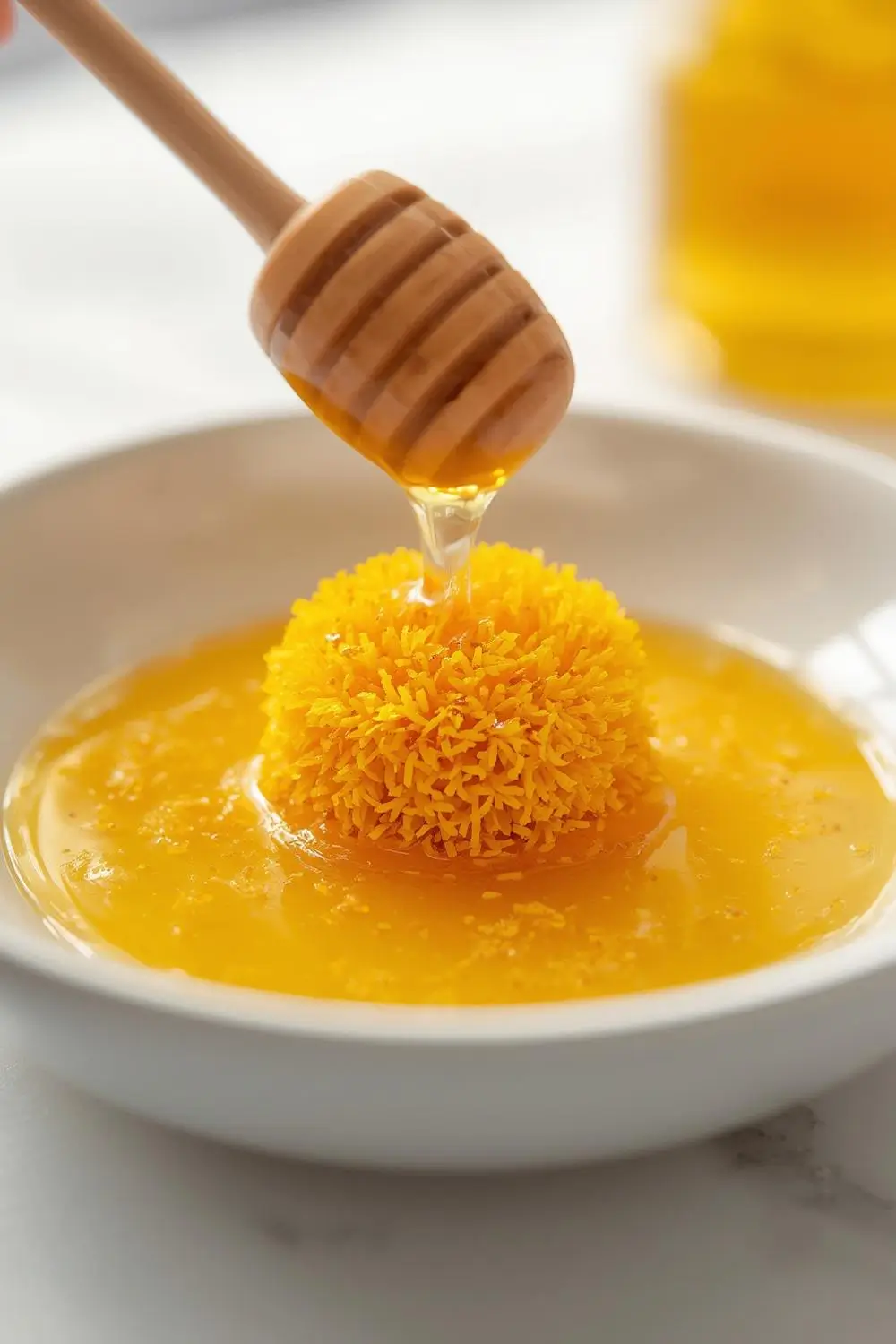
Golden Dandelion HoneyBliss: Crafting Pure, Organic Sweetness at Home
Imagine capturing the essence of spring in a jar. That’s the magic of homemade dandelion honey. This isn’t just a sweetener; it’s a celebration of nature’s bounty, transformed into a golden elixir bursting with pure, floral flavor. Unlike store-bought varieties laden with additives, this recipe harnesses the simple, natural sweetness of dandelions, offering you complete control over what goes into your food. Perfect for drizzling over pancakes, stirring into tea, or sweetening baked goods, this golden nectar is a testament to the beauty of foraging and simple food preservation. Let’s embark on this delightful journey together, creating something truly special from humble beginnings.
Why Choose Dandelion Honey?
Dandelion honey isn’t just a novelty; it’s a connection to the earth. Foraging dandelions teaches us to appreciate the often-overlooked gifts nature provides. This process is deeply rewarding, connecting you to the seasons and the land. Plus, it’s incredibly accessible – you likely have these cheerful yellow flowers growing right in your backyard or a nearby field. By making it yourself, you avoid the unknown additives found in commercial honeys and syrups, ensuring every spoonful is pure, unadulterated goodness. It’s a project that rewards patience with a uniquely delicious payoff.
Gathering Your Ingredients: The Heart of the Recipe
The beauty of dandelion honey lies in its simplicity. You’ll need just a few key components:
- Dandelion Flowers: The star of the show! Use only the bright yellow petals, ensuring they haven’t been sprayed with pesticides or herbicides. Harvest them in the morning after the dew has dried but before the sun gets too hot, when their flavor is most potent. A large bowl will be your best friend here.
- Water: Filtered or spring water is ideal to avoid any off-flavors.
- Raw Honey (Optional but Recommended): While the recipe primarily uses dandelion nectar, adding a small amount of raw honey can help kickstart the fermentation process and enhance the final flavor profile. Use local, raw honey if possible.
- Lemon Juice (Optional): A splash adds brightness and helps preserve the honey’s color and flavor.
- Cinnamon Stick (Optional): A single stick infuses a warm, comforting note.
- Vanilla Bean (Optional): Split and scraped, it adds a luxurious depth.
Step-by-Step: Transforming Petals into Gold
Creating dandelion honey is a gentle, patient process. It’s less about intense heat and more about coaxing the natural sugars out of the flowers. Here’s how to do it:
1. The Initial Infusion (Day 1): Start by placing your freshly harvested dandelion petals into a large, clean glass jar. Pour in enough warm (not boiling) water to just cover the petals. Add your optional lemon juice, cinnamon stick, and vanilla bean. Stir gently. Cover the jar loosely with a clean cloth or a lid that isn’t screwed on tightly. Let this mixture sit at room temperature for 24 hours. This allows the petals to steep, releasing their vibrant color and delicate flavor into the water.
2. Straining and Sweetening (Day 2): After 24 hours, strain the liquid through a fine-mesh sieve or cheesecloth into another clean jar or bowl. Squeeze the petals gently to extract as much liquid as possible, but avoid crushing them too finely. Discard the spent petals. Now, measure your dandelion-infused water. You’ll need approximately 4 cups of this liquid for the next step. If you used raw honey, add it now and stir until dissolved.
3. The Gentle Simmer (Day 2/3): Pour your dandelion water (and honey, if using) into a large, heavy-bottomed saucepan. Bring the mixture to a very gentle simmer over medium-low heat. Crucially, do not let it boil vigorously. A slow, steady simmer is all you need. This gentle heat helps concentrate the flavors and sugars without scorching. Simmer for about 1 to 1.5 hours, stirring occasionally. You’ll notice the liquid gradually thickening and turning a beautiful, rich golden amber color. The scent will become intensely floral and sweet.
4. Testing for Perfection: The honey is ready when it reaches a thick, syrupy consistency that coats the back of a spoon. A simple test is to drip a small amount onto a cold plate. If it forms a thick bead that doesn’t immediately run off, it’s done. If it’s still runny, continue simmering for another 15-30 minutes, checking frequently.
5. Cooling and Storing: Carefully pour your golden dandelion honey into clean, sterilized glass jars. Allow it to cool completely at room temperature. Once cool, seal the jars tightly. Store them in a cool, dark place like a pantry or cupboard. Properly stored, your homemade dandelion honey will keep beautifully for many months.
Tips for Success: From Forager to Honey Maker
- Petal Purity is Paramount: Double-check those petals! Ensure they are completely free of any dirt, insects, or, most importantly, pesticides. Only use flowers from areas you know are chemical-free.
- Water Matters: Using filtered or spring water ensures the purest flavor. Tap water can sometimes impart unwanted tastes.
- Patience Pays Off: Rushing the simmering process can lead to a less flavorful or even scorched honey. Low and slow is the way to go.
- Sterilize Your Jars: Before filling, wash your jars and lids thoroughly in hot, soapy water, then rinse well. Place them in a preheated oven (300°F / 150°C) for 10-15 minutes to sterilize. Alternatively, run them through a dishwasher cycle with a sterilize setting. This prevents mold growth.
- Storage is Key: Keep your jars tightly sealed and stored in a cool, dark place. Once opened, refrigerate to extend shelf life and maintain quality. The honey may crystallize over time, which is perfectly normal and doesn’t affect safety or taste – simply warm the jar gently in a bowl of warm water to liquefy it again.
- Flavor Variations: Experiment! Add a few strips of orange peel during the simmering step for a citrus twist. A pinch of sea salt can enhance the floral notes. For a spicier kick, add a small piece of fresh ginger during the initial infusion.
Variations and Substitutions: Making it Your Own
- Citrus Zing: Add the zest of one lemon or orange to the initial infusion for a bright, refreshing note.
- Spiced Delight: Replace the cinnamon stick with a few whole cloves or a pinch of ground cinnamon added during simmering.
- Vanilla Upgrade: Use a larger piece of vanilla bean or add a teaspoon of pure vanilla extract after the honey has cooled.
- No Honey? No Problem: While honey helps with fermentation and flavor, you can make a purely dandelion-infused syrup by omitting the honey entirely. Simmer the strained dandelion water for a longer period (1.5 – 2 hours) until it reaches the desired thickness. This will be a lighter, more delicate syrup.
- Sweetener Swap: If you prefer a different sweetener, you can substitute an equal amount of maple syrup or agave nectar for the honey, though the flavor profile will change.
Storage and Reheating: Keeping Your Honey Perfect
As mentioned, store your finished dandelion honey in clean, sterilized, airtight glass jars in a cool, dark pantry. Once opened, refrigeration is recommended to slow crystallization and maintain freshness. If your honey crystallizes (it will become thick and grainy), don’t panic! This is a natural process. Simply place the closed jar in a bowl of warm (not boiling) water and let it sit until the honey liquefies again. Gentle warming in a microwave for 10-15 seconds can also work, but be very careful not to overheat it.
Common Mistakes to Avoid: Navigating the Process
- Using Boiling Water: Boiling the petals or water can destroy delicate flavors and colors. Always use warm water for the initial infusion.
- Overcooking: Simmering too vigorously or for too long can lead to a bitter taste and darken the honey excessively. Keep the heat low and watch it closely.
- Skipping Sterilization: Failing to properly sterilize jars is the most common cause of spoilage. Don’t skip this step!
- Using Flowers from Contaminated Areas: Never harvest dandelions from lawns treated with herbicides, pesticides, or near busy roads where exhaust fumes might settle.
- Not Straining Thoroughly: Leaving bits of petal or stem in the final honey can affect texture and flavor. Strain carefully.
- Opening Jars Too Soon: Allow the honey to cool completely before sealing the jars. Trapped heat can cause condensation and potential spoilage.
Your Golden Treasure: A Conclusion
Creating your own dandelion honey is more than just a recipe; it’s an act of connection. It transforms a simple flower into a treasure trove of natural sweetness, free from the complexities of the modern food industry. The process is meditative, the result is uniquely yours, and the flavor is pure, floral bliss. Whether you drizzle it over morning yogurt, sweeten your afternoon tea, or use it as a glaze for roasted vegetables, this golden nectar is a delicious reminder of nature’s generosity. So, don your foraging hat, gather those sunny petals, and embark on the rewarding journey of crafting your very own Golden Dandelion Honey Bliss. Enjoy the sweet rewards of your labor!