Imagine transforming the humble dandelion, often dismissed as a pesky weed, into a golden, fragrant treasure right in your own kitchen. This isn’t just a recipe; it’s a celebration of nature’s bounty, a step towards sustainable living, and a way to create something truly special from what many overlook. Dandelion flower honey is more than a sweetener; it’s a connection to the earth, a nod to simpler times, and a delicious way to embrace the wild. Perfect for the curious cook, the eco-conscious homesteader, or anyone seeking a unique, natural alternative to store-bought syrups, this process is surprisingly accessible. Let’s dive into the world of foraging and fermentation to create your very own batch of this vibrant, nutrient-rich golden elixir.
Why Dandelion Flower Honey?
Before we begin, let’s appreciate what makes this project so special. Dandelions (Taraxacum officinale) are incredibly resilient, growing almost everywhere – lawns, fields, even cracks in sidewalks. They’re free for the taking, making this a zero-waste endeavor. The flowers themselves are packed with beneficial compounds like antioxidants and flavonoids. When infused into a simple syrup, they release a delicate, honey-like floral essence that’s utterly unique. Unlike processed honey, this homemade version retains the plant’s natural properties and offers a sustainable, additive-free sweetener. It’s a perfect project for beginners, requiring minimal equipment and offering a rewarding sense of accomplishment.
The Essentials: What You’ll Need
Gathering your ingredients and tools is the first step towards success. Here’s what you’ll need:
- Fresh Dandelion Flowers: The star of the show! You’ll need approximately 4-5 cups of freshly picked, pesticide-free dandelion blossoms. Look for flowers that are fully open, vibrant yellow, and free from browning or wilting. The best time to harvest is mid-morning after the dew has dried but before the heat of the day. Remember to forage responsibly – only take what you need, leaving plenty for pollinators and other wildlife. A clean, dry paper bag or basket is ideal for collection.
- Water: Filtered or spring water is best to avoid any off-flavors. You’ll need about 4 cups.
- Granulated Sugar: White granulated sugar is traditional and works beautifully, creating a clear, golden syrup. You’ll need 4 cups. While some might suggest honey or maple syrup as substitutes, they will significantly alter the flavor profile and color, making it less like traditional dandelion honey. Granulated sugar provides the cleanest base.
- Fresh Lemon Juice: About 1/4 cup. This isn’t just for flavor; it helps balance the sweetness and acts as a natural preservative. The zest adds an extra layer of citrusy brightness.
- Lemon Zest: From one large lemon. This adds a wonderful aromatic dimension that complements the dandelion’s floral notes beautifully.
- Optional Flavor Boosters: A few thin strips of lemon zest, a small piece of fresh ginger (about 1-inch), or a few whole cloves can be added during the simmering stage for subtle complexity. These are entirely optional but can elevate the final product.
- Equipment:
* A large, non-reactive pot (stainless steel or enameled cast iron works best).
* A fine-mesh strainer or cheesecloth.
* A large bowl or pitcher for straining.
* Sterilized glass jars or bottles with tight-fitting lids (mason jars are perfect). Sterilization is crucial for shelf stability.
* A funnel (optional but helpful).
* A ladle or measuring cup with a spout.
* A clean, dry cloth for wiping jar rims.
The Process: From Forage to Feast
Now, let’s walk through the steps. This process is straightforward, but attention to detail, especially during the initial infusion and straining, makes a big difference in clarity and flavor.
1. The Infusion: Capturing the Essence
* Begin by giving your dandelion flowers a gentle rinse under cool running water to remove any dust or tiny insects. Pat them very dry with clean paper towels. It’s important they are completely dry to prevent mold during storage.
* Place the clean, dry dandelion flowers into your large pot. Pour the 4 cups of filtered water over them, ensuring all flowers are submerged.
* Bring the mixture to a gentle simmer over medium heat. Once it reaches a simmer (small bubbles breaking the surface), reduce the heat to low. Let it simmer gently for 30-45 minutes. This gentle heat extracts the delicate flavors and colors from the flowers without scorching them. You’ll notice the water turning a beautiful, pale yellow-green as the infusion progresses.
* Tip: Avoid a rolling boil. High heat can make the final syrup cloudy and can sometimes impart a slightly bitter note.
2. Straining: Separating the Liquid Gold
* After simmering, remove the pot from the heat. Allow the infusion to cool slightly for about 10-15 minutes. This makes handling easier and helps the flowers settle.
* Place your fine-mesh strainer or several layers of cheesecloth over a large bowl or pitcher. Carefully pour the infused liquid through the strainer, pressing down gently on the flowers with the back of a spoon to extract as much liquid as possible. Discard the spent flowers. You should have a clear, pale yellow-green liquid. If it’s cloudy, you can strain it again through a coffee filter for extra clarity, though the first strain usually yields a good result.
3. The Syrup: Sweetening and Setting
* Return the strained infusion to your clean pot. Add the 4 cups of granulated sugar and the 1/4 cup of fresh lemon juice. Stir gently until the sugar is completely dissolved. The mixture will be quite thin and pale.
* Add the lemon zest (and any optional flavorings like ginger or cloves) to the pot.
* Place the pot back over medium heat. Bring the mixture to a gentle simmer, stirring occasionally, until the sugar is fully dissolved and the liquid is clear. This usually takes 5-10 minutes. Crucially, do not let it boil vigorously. A gentle simmer is key to clarity and preventing crystallization later.
* Tip: If you notice any foam forming on the surface, skim it off with a spoon. This helps keep the syrup clear.
4. Simmering to Perfection: The Golden Transformation
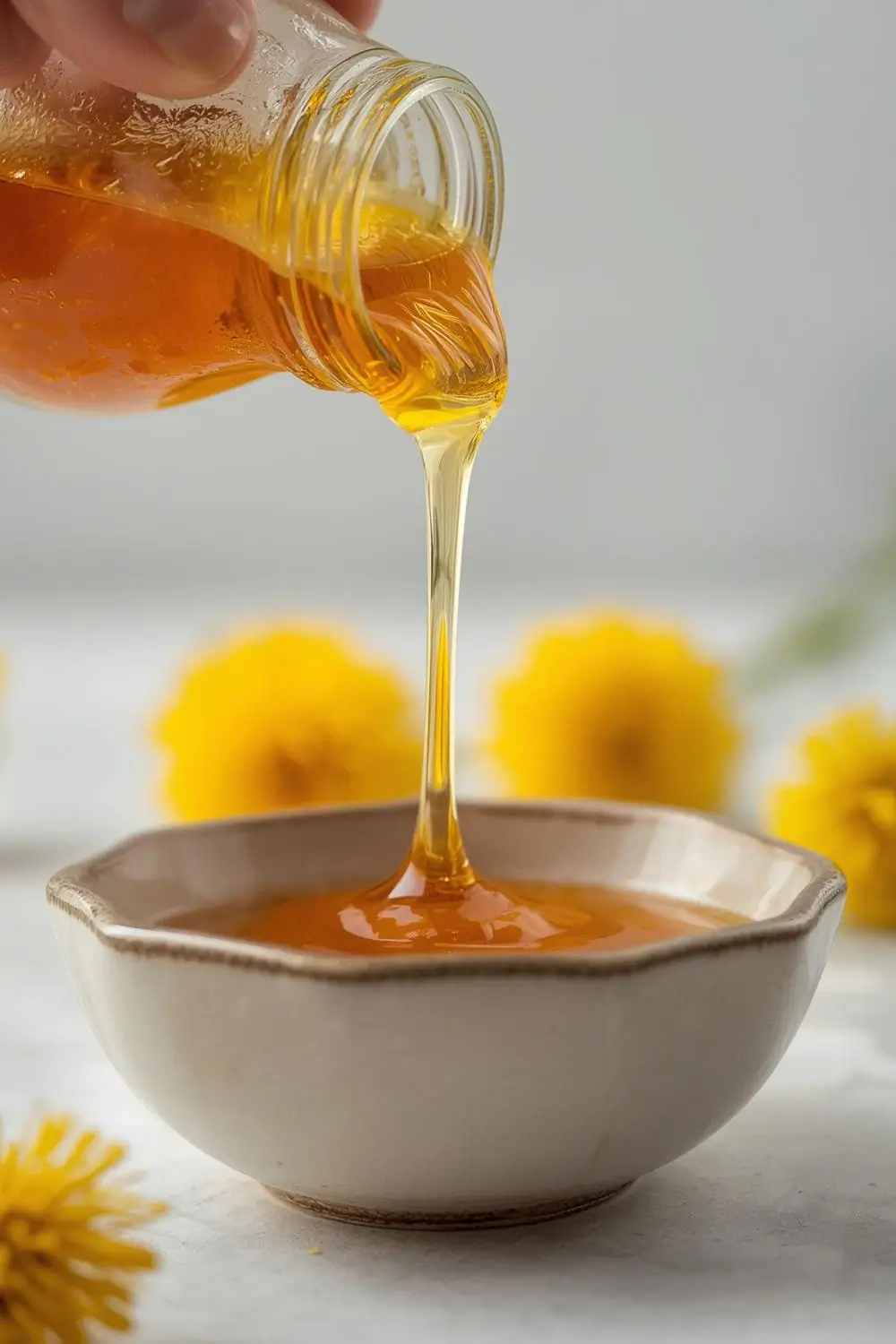
* Once the sugar is dissolved and the liquid is clear, reduce the heat to the lowest possible setting to maintain a very gentle simmer. You want tiny bubbles barely breaking the surface. Simmer uncovered for 20-30 minutes. This slow simmering concentrates the flavors and sugars, transforming the pale infusion into a beautiful, golden syrup. The color will deepen significantly.
* Monitoring: Keep an eye on it. If it starts to boil more vigorously, reduce the heat further. The goal is a steady, gentle bubble. The syrup is ready when it coats the back of a spoon thickly and drips off slowly. It will thicken slightly as it cools.
5. Cooling and Straining Again (Optional but Recommended)
* Remove the pot from the heat. Carefully remove the lemon zest (and any other flavorings) using a slotted spoon. Discard them.
* Allow the syrup to cool completely to room temperature. This cooling step is vital. As it cools, any remaining fine particles will settle, and the syrup will become perfectly clear. Cooling also prevents the jars from cracking if you’re using hot syrup.
* Optional Final Strain: For the absolute clearest syrup, strain the cooled syrup once more through a fine-mesh strainer lined with a coffee filter or several layers of cheesecloth. This removes any tiny bits that might have settled.
6. Jarring and Storage: Preserving Your Creation
* While the syrup is cooling, prepare your sterilized jars. Wash them thoroughly in hot, soapy water, rinse well, and then sterilize them by boiling them in a large pot of water for 10 minutes. Alternatively, run them through a dishwasher’s sanitize cycle. Keep the jars hot until you’re ready to fill them.
* Once the syrup is completely cool, carefully pour it into the sterilized jars using a funnel. Leave about 1/2 inch of headspace at the top.
* Wipe the rims of the jars with a clean, damp cloth to ensure a perfect seal.
* Secure the lids tightly.
* Storage: Store your bottled dandelion honey in a cool, dark place like a pantry or cupboard. Once opened, refrigerate it to extend its shelf life. Properly stored, it should last for several months. The cold temperature helps slow any potential fermentation or crystallization.
Variations and Substitutions: Making it Your Own
While the classic recipe is delightful, feel free to experiment:
- Flavor Variations: Add a few sprigs of fresh thyme or rosemary during the simmering stage for an herbal twist. A pinch of ground cinnamon or a few cardamom pods can add warmth. For a more citrus-forward version, increase the lemon zest or add a small piece of orange zest.
- Sweetener Substitutions: While granulated sugar is traditional, you could experiment with coconut sugar or maple syrup for a different flavor profile. However, these will result in a darker syrup and a distinct taste. Honey itself can be used, but it will create a different product altogether – more of a dandelion-infused honey than a dandelion syrup.
- Water Alternatives: Using herbal teas (like chamomile or mint) instead of plain water for the initial infusion adds another layer of flavor. Just ensure the tea is cooled completely before adding the flowers.
- Sweetener Ratio: If you prefer a less sweet syrup, you can reduce the sugar to 3.5 cups. The flavor will be more pronounced, but it will still be very sweet. If you prefer a sweeter syrup, you can increase the sugar to 4.5 cups, though 4 cups is the standard.
Common Mistakes to Avoid
- Foraging Pitfalls: Never harvest dandelions from areas treated with pesticides, herbicides, or near busy roads. Only pick flowers that are clean and vibrant. Over-harvesting from one spot can deplete the plant.
- Water Quality: Using tap water with strong chlorine or minerals can affect the flavor. Filtered or spring water is best.
- Over-Brewing: Simmering the flowers for too long (over 60 minutes) can extract bitter compounds and make the syrup taste harsh.
- Rushing the Simmer: Boiling the syrup vigorously instead of simmering gently can cause cloudiness and potential crystallization.
- Skipping Sterilization: This is critical for shelf stability. Skipping sterilization risks spoilage, especially if stored at room temperature after opening.
- Not Cooling Before Straining: Pouring hot syrup through a strainer can cause it to clog or splatter. Cooling slightly makes straining much easier and cleaner.
- Overfilling Jars: Leaving too little headspace can prevent a proper seal and allow for spoilage.
Frequently Asked Questions
- Q: Can I use dandelions from my lawn? A: Absolutely, as long as your lawn hasn’t been treated with pesticides or herbicides in the past year. Ensure they are clean and pesticide-free.
- Q: How long does dandelion honey last? A: When stored properly in a sterilized jar with a tight lid in a cool, dark place, it can last for 6-12 months. Once opened, refrigerate and use within 3-4 months for the best flavor and quality.
- Q: Will it crystallize like sugar? A: Unlike sugar, dandelion honey is a syrup and generally doesn’t crystallize. Its high sugar content and acidity (from the lemon) help prevent crystallization. However, if it does crystallize slightly over time, gently warm the jar in a bowl of warm water to liquefy it again.
- Q: Can I use the dandelion roots or greens? A: This recipe focuses on the flowers. The roots and greens have different uses (like tea or salad) and a distinct flavor profile. They are not used in making this specific syrup.
- Q: What if my syrup is too thick or too thin? A: If it’s too thin after simmering, simmer it uncovered for a few more minutes to concentrate it further. If it’s too thick, you can gently warm it and add a tiny bit more water or lemon juice to thin it slightly.
- Q: Can I make this without lemon? A: Lemon juice and zest are key for balancing the sweetness and adding complexity. While you could omit them, the syrup would be much sweeter and less balanced. The lemon is essential to the classic flavor profile.
- Q: Is this safe for children or those with dietary restrictions? A: This recipe is naturally gluten-free and vegan (as long as the sugar is vegan, which most granulated sugars are). However, it is very sweet and should be consumed in moderation. Always consult with a pediatrician or healthcare provider regarding dietary changes for children. It’s also high in sugar, so those managing blood sugar should be mindful.
The Final Sip: Enjoying Your Harvest
Your dandelion flower honey is now ready to be savored. This golden syrup is incredibly versatile. Drizzle it over pancakes, waffles, or yogurt for breakfast. Stir it into hot or iced tea for a natural sweetener with a unique twist. Use it to sweeten homemade lemonade or cocktails. It’s a perfect glaze for roasted vegetables or a drizzle over vanilla ice cream. Its delicate floral notes make it a sophisticated addition to desserts and a delightful way to incorporate a touch of foraged flavor into your everyday cooking. Every spoonful is a reminder of the abundance that surrounds us, transformed through patience and a little bit of kitchen magic. Enjoy the fruits (or rather, the flowers) of your labor!
This detailed guide provides everything needed to successfully create your own batch of dandelion flower honey, from foraging to storage, ensuring a rewarding and delicious result.