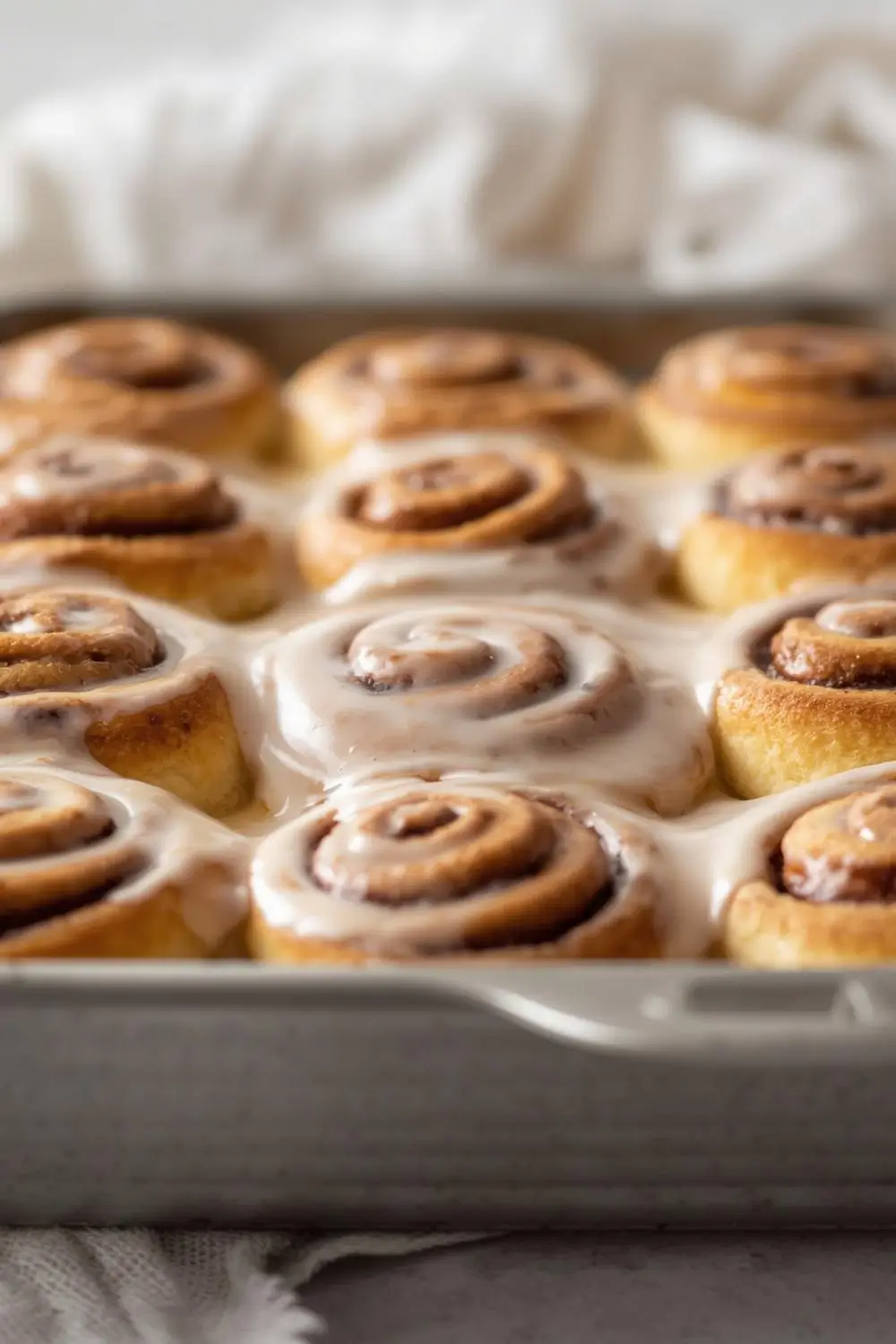
Imagine waking up to the irresistible aroma of cinnamon and warm dough filling your kitchen. No frantic morning rush, no complicated steps. Just pure, homemade breakfast joy. These Easy Overnight Cinnamon Rolls are your secret weapon for stress-free, bakery-quality cinnamon rolls every single time. Perfect for lazy weekend mornings, special holidays, or simply treating yourself, this recipe transforms your fridge into a cinnamon roll factory overnight. By morning, all you need to do is pop them in the oven and enjoy the fruits of your effortless labor. Let’s dive into creating these magical rolls that promise a fresh-from-the-oven experience without the pre-dawn alarm.
Why Overnight Cinnamon Rolls Rock Your World
The beauty of overnight cinnamon rolls lies in their simplicity and convenience. You mix the dough, shape the rolls, let them rise slowly in the fridge overnight, and then bake them fresh in the morning. This slow fermentation develops incredible flavor and texture – the dough becomes tender and airy, while the cinnamon-sugar filling melds perfectly. It’s a game-changer for anyone who loves cinnamon rolls but dreads the early morning prep. Plus, the aroma that fills your home as they bake is pure magic. This method is beginner-friendly, requiring minimal active time, and yields professional results. Ready to unlock this breakfast bliss?
Gathering Your Ingredients: The Foundation of Flavor
Before we get rolling (pun intended!), let’s gather everything you’ll need. This recipe uses simple, accessible ingredients, many of which you likely already have on hand. I’ll explain each one and offer helpful substitutions, especially considering our dietary guidelines.
- For the Dough:
* All-Purpose Flour: The workhorse of the recipe. It provides the right structure and chew. Bread flour can be used for an even chewier texture, but all-purpose is perfectly fine.
* Warm Milk (Plant-Based or Dairy): Essential for activating the yeast. Use whole milk for richness, or any plant-based milk like oat, soy, or almond milk. Ensure it’s warm (around 110°F / 43°C) but not hot, as scalding milk kills the yeast.
* Active Dry Yeast: The leavening agent that makes the dough rise. Check the expiration date! If you’re unsure, proof it first by mixing it with a pinch of sugar and warm milk; it should foam within 5-10 minutes.
* Granulated Sugar: Adds sweetness and feeds the yeast. You’ll use some in the dough and some in the filling.
* Salt: Crucial for balancing the sweetness and enhancing flavor. Don’t skip it!
* Large Eggs: Adds richness, structure, and moisture. Room temperature eggs incorporate better.
* Unsalted Butter: Melted and cooled slightly. Adds incredible flavor and tenderness. Use a neutral oil like canola or vegetable if strictly avoiding dairy, but butter is best.
- For the Cinnamon Sugar Filling:
* Brown Sugar: Packed light or dark brown sugar adds moisture and a deeper caramel note compared to white sugar. Dark brown has more molasses flavor.
* Ground Cinnamon: The star spice! Use high-quality cinnamon for the best flavor.
* Salt: A tiny pinch enhances the sweetness.
* Unsalted Butter (Softened): Melted butter brushed on the dough before sprinkling the filling helps it stick and adds richness. Softened butter mixed with the sugar/cinnamon creates a paste.
- For the Cream Cheese Frosting (Optional but Recommended):
* Cream Cheese: Full-fat cream cheese is ideal for the best texture and flavor. Softened to room temperature.
* Unsalted Butter (Softened): Adds richness.
* Powdered Sugar: Sifted for smoothness.
* Vanilla Extract: Pure vanilla for the best flavor.
* Salt: A tiny pinch balances the sweetness.
Step-by-Step Instructions: From Fridge to Oven
Now, let’s bring it all together. This process is surprisingly straightforward, especially with the overnight rise.
1. Making the Dough:
* In a large bowl or the bowl of your stand mixer, whisk together the warm milk, granulated sugar, and active dry yeast. Let it sit for 5-10 minutes until foamy. This proves the yeast is active.
* Add the salt, eggs, and melted (cooled) butter to the yeast mixture. Whisk well.
* Gradually add the flour, mixing with a dough hook or a sturdy spoon until a shaggy dough forms. If using a mixer, knead on medium speed for about 5-7 minutes until the dough is smooth, elastic, and slightly tacky but not sticky. If kneading by hand, turn it out onto a lightly floured surface and knead for 8-10 minutes.
* Lightly oil a large bowl. Place the dough ball in the bowl, turning it to coat with oil. Cover tightly with plastic wrap or a damp kitchen towel.
* Refrigerate Overnight (8-12 hours): Place the covered bowl in the refrigerator. This slow rise develops flavor and makes the dough easier to handle.
2. Preparing the Filling & Shaping the Rolls:
* The next morning, remove the dough from the fridge. It will be cold and stiff. Let it sit at room temperature for about 30-45 minutes to soften slightly, making it easier to roll.
* While the dough warms, make the cinnamon sugar filling: In a small bowl, combine the brown sugar, granulated sugar, cinnamon, and salt. Mix well.
* Lightly flour your work surface. Punch down the dough to release air bubbles. Roll it out into a large rectangle, roughly 12×18 inches and about 1/4 inch thick. Aim for an even thickness.
* Spread the softened butter evenly over the entire surface of the dough, leaving a small border around the edges.
* Sprinkle the cinnamon sugar mixture evenly over the buttered dough, pressing it gently so it adheres.
* Starting from the long edge, carefully roll the dough up tightly into a log. Pinch the seam closed firmly. Trim the ends if they look very uneven.
3. Cutting and Proofing the Rolls:
* Using a sharp knife or dental floss, cut the log into 12 equal pieces (about 1.5 inches thick each). Place the rolls cut-side up in a lightly greased 9×13 inch baking dish or two 8-inch round pans.
* Cover the dish tightly with plastic wrap or a damp kitchen towel. Let the rolls rise at room temperature for 1-2 hours, or until they look puffy and have doubled in size. They should fill the pan and look very soft.
4. Baking to Perfection:
* Preheat your oven to 350°F (175°C) while the rolls are proofing.
* Once the rolls have risen, uncover them. Bake for 25-35 minutes, or until the tops are golden brown and the rolls are cooked through. The internal temperature should reach about 190°F (88°C) when measured with a thermometer. Baking time can vary slightly depending on your oven and pan size.
* Tip: If the tops start browning too quickly, loosely tent them with aluminum foil for the last 10-15 minutes of baking.
5. Making the Frosting (Optional):
* While the rolls are baking, make the cream cheese frosting. In a medium bowl, beat the softened cream cheese and softened butter together until smooth and creamy.
* Gradually add the sifted powdered sugar, beating well after each addition. Beat in the vanilla extract and a pinch of salt.
* Once the rolls are baked and slightly cooled (about 5-10 minutes), spread or drizzle the frosting over the warm rolls. The warmth helps the frosting melt slightly and soak in slightly, creating a decadent finish.
Variations and Substitutions: Making it Your Own
The beauty of this recipe is its adaptability. Here are some ideas to customize your overnight cinnamon rolls:
- Different Fillings: Swap the cinnamon sugar for a chocolate hazelnut spread (like Nutella), a brown sugar and pecan filling, or even a simple jam filling. Be creative!
- Flavored Dough: Add 1-2 teaspoons of vanilla extract or almond extract to the dough for extra flavor.
- Nutty Twist: Sprinkle chopped pecans, walnuts, or almonds over the filling before rolling.
- Citrus Zest: Add a teaspoon of orange or lemon zest to the dough or filling for a bright note.
- Glaze Instead of Frosting: For a lighter option, make a simple glaze with powdered sugar, milk, and vanilla instead of the cream cheese frosting.
- Gluten-Free Option: Use a high-quality gluten-free all-purpose flour blend. Note that results may vary slightly, and you might need a bit more liquid or a binding agent like xanthan gum (if your blend doesn’t contain it).
- Whole Wheat: Substitute up to half the all-purpose flour with whole wheat flour for a nuttier, more nutritious roll. The texture will be slightly denser.
Storage and Reheating: Enjoy Them Later
These rolls are best enjoyed fresh, but you can store them for later:
- Room Temperature: Store cooled rolls in an airtight container at room temperature for up to 2 days. Reheat gently in the microwave or a low oven (300°F / 150°C) for a few minutes to restore warmth and softness.
- Refrigerator: Store cooled rolls in an airtight container in the refrigerator for up to 4 days. Reheat as above.
Freezing: Freeze the uncooked* rolls (after shaping and before the final rise). Place them on a baking sheet lined with parchment paper and freeze until solid (about 1-2 hours). Transfer to a freezer bag or airtight container. To bake, thaw overnight in the fridge, then let rise at room temperature for 1-2 hours before baking as directed. Add 5-10 minutes to the baking time if needed.
Common Mistakes to Avoid: Ensuring Success
To avoid any pitfalls, keep these tips in mind:
- Yeast Proofing: If your yeast doesn’t foam after 5-10 minutes, it’s likely dead. Start over with fresh yeast.
- Milk Temperature: Ensure the milk is warm (110°F / 43°C), not hot. Scalding milk kills the yeast.
- Over-Kneading: Over-kneading can make the dough tough. Knead just until smooth and elastic.
- Over-Proofing: Letting the rolls rise too long can make them dense. They should look puffy but not collapse when gently pressed.
- Under-Baking: Ensure the rolls are baked until golden brown and cooked through. Under-baked rolls will be doughy in the center.
- Frosting Too Early: Wait until the rolls are slightly cooled before frosting. Hot rolls will melt the frosting too much.
Frequently Asked Questions: Your Cinnamon Roll Queries Answered
- Can I use instant yeast instead of active dry yeast? Yes! You can use the same amount of instant yeast. You don’t need to proof it first; just add it directly to the dry ingredients with the flour.
- My dough is too sticky. What can I do? Add flour, 1 tablespoon at a time, while kneading or mixing. Don’t add too much at once.
- My rolls didn’t rise much overnight. Why? The yeast might be inactive, the milk was too hot/cold, or the dough wasn’t covered tightly enough. Check the yeast expiration date and proofing time.
- Can I make these rolls ahead of time and bake them the next day? Absolutely! The overnight rise in the fridge is designed for this. Just follow the steps, refrigerate overnight, and bake in the morning.
- How do I know when the rolls are done baking? They should be golden brown on top and sound hollow when tapped on the bottom. An internal temperature of 190°F (88°C) is a reliable indicator.
- Can I freeze the baked rolls? Yes! Cool them completely, then wrap tightly in plastic wrap and foil or place in a freezer bag. Reheat from frozen or thawed as described above.
Conclusion: The Joy of Homemade Morning Bliss
Creating Easy Overnight Cinnamon Rolls is more than just baking; it’s an act of love and anticipation. The slow fermentation develops deep, complex flavors, while the overnight chill makes the process effortless. Waking up to the promise of warm, gooey cinnamon rolls baking in your oven is a simple pleasure that transforms any morning. Whether you enjoy them plain, frosted, or with your favorite variation, these rolls are a testament to the magic of homemade baking. They bring people together, create cherished memories, and offer a delicious start to the day. So, gather your ingredients, embrace the simplicity, and experience the pure joy of baking fresh cinnamon rolls in the morning. Your taste buds (and your family) will thank you.