Imagine waking up to the irresistible aroma of cinnamon and sugar filling your kitchen, the promise of warm, gooey cinnamon rolls waiting just for you. No more frantic mornings or complicated recipes! This Easy Overnight Cinnamon Roll Dough is your secret weapon. Prepare the dough the night before, tuck it into the fridge, and wake up to the joy of baking fresh, tender cinnamon rolls that taste like they came straight from a bakery. This beginner-friendly recipe breaks down the process into simple, manageable steps, ensuring your success even if you’re new to baking. Let’s dive into creating this magical dough that transforms into pillowy, cinnamon-scented perfection.
Why Overnight Dough is a Game Changer
Baking cinnamon rolls from scratch can feel daunting. The dough needs time to rise, often taking hours, and then you have to shape, fill, and bake. The overnight method simplifies everything. By letting the dough rise slowly in the refrigerator, you develop deeper flavors and a more tender crumb. The morning is then dedicated to shaping, filling, and baking – pure bliss. This recipe yields a versatile dough perfect for classic cinnamon rolls, but also opens the door to countless variations. It’s incredibly forgiving, making it ideal for home bakers of all skill levels.
Gathering Your Ingredients: The Foundation of Flavor
Before we begin, let’s gather everything you’ll need. This recipe uses pantry staples and common baking ingredients. Don’t worry if you don’t have every single item listed; we’ll cover substitutions later.
- All-Purpose Flour: The backbone of the dough. Use a standard measuring cup, spooning the flour in and leveling it off for accuracy.
- Warm Milk: Crucial for activating the yeast. Use whole milk for the richest flavor and tenderness, but 2% or even skim milk will work. The milk should be warm, not hot – around 105-110°F (40-43°C). Too hot kills the yeast; too cold won’t activate it.
- Active Dry Yeast: The leavening agent that makes the dough rise. Make sure it’s fresh and within its expiration date. If you have instant yeast, you can use it interchangeably, but the instructions for mixing it with the milk will differ slightly (see variations).
- Granulated Sugar: Feeds the yeast and adds a touch of sweetness. You’ll use some here and more in the filling.
- Salt: Enhances all the flavors and controls yeast activity. Don’t skip it!
- Large Eggs: Adds richness, structure, and moisture. Use room temperature eggs for better incorporation.
- Unsalted Butter: Melted and cooled slightly. Provides incredible flavor and tenderness. Salted butter can be used, but you might need to adjust the added salt slightly.
- Vanilla Extract: A classic flavor pairing with cinnamon. Pure vanilla extract is best.
- For the Filling:
* Brown Sugar: Packed dark brown sugar adds a deeper molasses flavor compared to light brown sugar.
* Ground Cinnamon: The star spice! Use a high-quality cinnamon for the best flavor.
* Salt: A pinch enhances the sweetness.
- For the Glaze (Optional but Recommended):
* Powdered Sugar: Sifted for a smooth glaze.
* Milk or Cream: Adds the right consistency.
* Vanilla Extract: For extra flavor.
* Salt: A tiny pinch balances the sweetness.
Step-by-Step Instructions: From Bowl to Fridge to Oven
Now, let’s bring it all together. This process is straightforward and doesn’t require constant attention.
1. Activate the Yeast (The First Step):
* In a large mixing bowl (or the bowl of a stand mixer), combine the warm milk, 1 tablespoon of granulated sugar, and the active dry yeast. Stir gently and let it sit for about 5-10 minutes. You should see it become foamy on top – this means the yeast is alive and active. If it doesn’t foam, your yeast might be expired, and you’ll need to start over with fresh yeast.
2. Combine the Wet Ingredients:
* Add the melted, slightly cooled butter, the room temperature eggs, and the vanilla extract to the yeast mixture. Whisk everything together until well combined.
3. Incorporate the Dry Ingredients:
* Add the salt and the remaining 1/4 cup of granulated sugar to the wet mixture. Whisk again briefly to combine.
* Gradually add the all-purpose flour, about 1 cup at a time, mixing with a wooden spoon or the dough hook on low speed. The dough will start to come together but will be quite sticky. Don’t be tempted to add extra flour yet – the dough needs to develop gluten properly.
4. Knead the Dough:
* Once the dough is too thick to mix with a spoon, turn it out onto a lightly floured surface. Using floured hands, knead the dough for about 5-7 minutes. Push the dough away with the heel of your hand, fold it over, rotate it, and repeat. The dough should become smooth, elastic, and slightly tacky but not sticky. If it’s too sticky, add a tiny bit more flour (1 tablespoon at a time) during kneading. If it’s too dry, add a teaspoon of water. The goal is a soft, pliable dough.
5. First Rise (In the Fridge – The Overnight Magic):
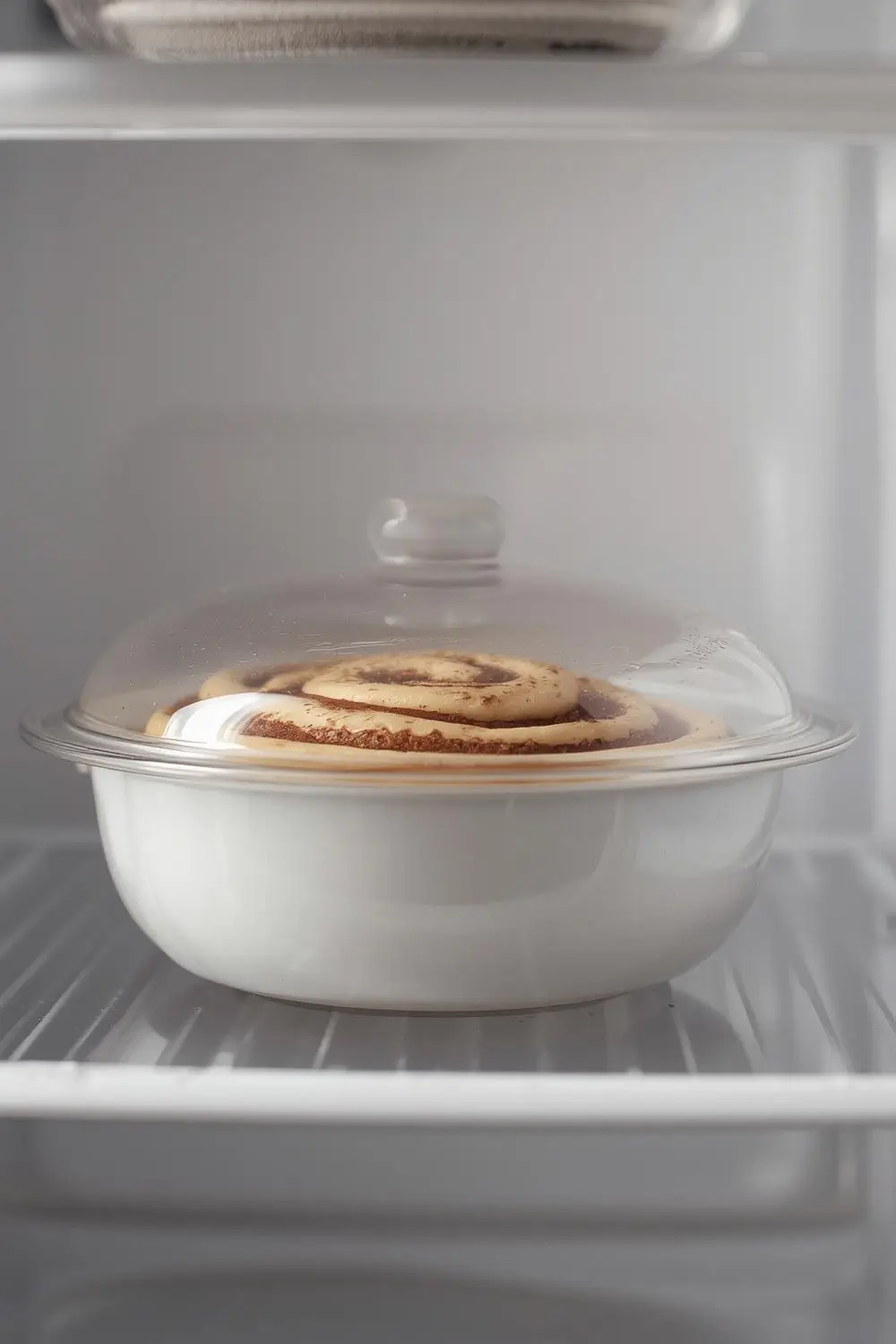
* Lightly grease a large bowl with a little oil or butter. Place the kneaded dough ball into the bowl, turning it once to coat it lightly with oil. Cover the bowl tightly with plastic wrap or a damp kitchen towel. Place it in the refrigerator. This is where the overnight rise happens. The cold temperature slows down the yeast activity, allowing the dough to develop complex flavors and a tender texture over 8-24 hours. Don’t rush this step! The dough will be ready when you wake up.
6. Prepare the Filling:
* While the dough is chilling, make your cinnamon sugar filling. In a small bowl, combine the packed brown sugar, ground cinnamon, and a pinch of salt. Stir until well blended. Set aside. This is your flavor bomb!
7. Shape the Rolls (Morning Time!):
* When you’re ready to bake (usually 8-24 hours after placing the dough in the fridge), remove the bowl from the refrigerator. The dough will have risen slightly and feel puffy. Gently punch it down to release the air bubbles. Turn it out onto a lightly floured surface.
* Roll the dough into a large rectangle, roughly 12 inches by 18 inches. Aim for an even thickness. Spread the softened butter evenly over the entire surface of the dough, leaving a small border around the edges.
* Sprinkle the cinnamon sugar filling evenly over the buttered dough, again leaving a small border.
* Starting from the long edge, carefully roll the dough up tightly into a log. Pinch the seam closed firmly to seal. Using a sharp knife or dental floss, cut the log into 12 equal pieces (about 1.5 inches thick each). Place the rolls cut-side up in a lightly greased 9×13 inch baking pan or two 8-inch round pans.
8. Second Rise (Optional but Recommended):
* Cover the pan loosely with plastic wrap or a damp towel and let the rolls rise at room temperature for about 30-45 minutes. They should look puffy and nearly doubled in size. This step ensures they bake up light and airy.
9. Bake to Golden Perfection:
* Preheat your oven to 350°F (175°C). Bake the rolls for 20-25 minutes, or until they are golden brown on top and sound hollow when tapped on the bottom. The internal temperature should reach around 190°F (88°C) if you have a thermometer. They should be beautifully puffed and irresistible.
10. Make the Glaze (While the Rolls Cool):
* While the rolls are baking, whisk together the powdered sugar, a tablespoon or two of milk or cream, a teaspoon of vanilla extract, and a tiny pinch of salt until smooth. Add more milk as needed to reach your desired drizzling consistency. The glaze should be thick but pourable.
11. Glaze and Serve:
* Let the cinnamon rolls cool in the pan for about 10-15 minutes. This allows them to set slightly. Then, drizzle the glaze generously over the warm rolls. The glaze will melt slightly into the rolls, adding an extra layer of sweetness and shine. Serve immediately for the ultimate warm, gooey experience!
Variations and Substitutions: Making it Your Own
This dough is incredibly versatile! Here are some ideas to customize it:
- Nutty Twist: Add 1 cup of chopped pecans, walnuts, or almonds to the cinnamon sugar filling before rolling.
- Fruitful Flavor: Fold in 1 cup of finely chopped apples, pears, or raisins into the filling mixture.
- Spice It Up: Replace some of the cinnamon with ground cardamom, nutmeg, or ginger for a different flavor profile.
- Cream Cheese Filling: For a decadent twist, mix 4 oz softened cream cheese, 1/4 cup powdered sugar, and 1/2 tsp vanilla until smooth. Spread this over the rolled dough before adding the cinnamon sugar.
- Orange Zest: Add 1-2 teaspoons of grated orange zest to the cinnamon sugar filling for a bright note.
- Instant Yeast: If using instant yeast, you can mix it directly with the dry ingredients (flour, sugar, salt) in step 3. Then add the warm milk, melted butter, eggs, and vanilla. Mix until combined, then knead as usual. No need to activate separately.
- Whole Wheat Flour: Substitute up to 50% of the all-purpose flour with whole wheat flour for a nuttier, more nutritious dough. The texture might be slightly denser.
- Milk Alternatives: Almond milk, soy milk, or oat milk can be used in place of dairy milk. Ensure they are unsweetened and fortified with calcium/vitamins if possible. The flavor and texture might be slightly different.
Storage and Reheating: Keeping the Magic Alive
- Room Temperature: Baked rolls are best enjoyed fresh on the day they are baked. Store any leftovers in an airtight container at room temperature for up to 2 days. Reheat gently in the microwave for 10-15 seconds or in a low oven (300°F/150°C) for a few minutes to restore warmth and softness.
- Refrigerator: Baked rolls can be stored in an airtight container in the refrigerator for up to 4 days. Reheat as above.
- Freezer: Unbaked rolls: Place the cut rolls in a greased pan, cover tightly with plastic wrap and foil. Freeze for up to 1 month. When ready to bake, remove from the freezer, let rise overnight in the fridge (as per step 5), then let rise at room temperature for 30-45 minutes before baking as directed.
- Baked Rolls: Cool completely, then wrap individually in plastic wrap or place in a freezer bag. Freeze for up to 3 months. Thaw at room temperature or reheat from frozen in the microwave or oven.
Common Mistakes to Avoid: Ensuring Success
- Hot Milk: Killing the yeast is the biggest risk. Ensure your milk is warm, not hot (105-110°F).
- Over-Flouring: Adding too much flour during kneading makes the rolls dense and tough. Add flour sparingly and only if absolutely necessary.
- Under-Kneading: A properly kneaded dough is essential for structure and texture. Knead for the full 5-7 minutes.
- Rushing the Rise: The overnight rise is crucial for flavor and tenderness. Don’t skip or shorten it.
- Over-Baking: Cinnamon rolls should be golden brown but still soft and slightly gooey inside. Watch them closely towards the end of baking.
- Skipping the Glaze: While optional, the glaze adds a beautiful finish and extra sweetness. Don’t skip it!
Frequently Asked Questions (FAQs)
- Can I use this dough for other things besides cinnamon rolls? Absolutely! This versatile dough is perfect for sticky buns, monkey bread, or even cinnamon roll pancakes. Get creative!
- What if my dough doesn’t rise in the fridge? This is rare with active dry yeast, but if it happens, check your yeast expiration date and water temperature. Ensure the fridge isn’t too cold. Sometimes a slightly warmer spot in the fridge (like near the door) helps. If it’s still not rising, start over with fresh yeast.
- Can I make the dough ahead and freeze it? Yes! You can freeze the shaped rolls (before the second rise) or even the unbaked dough log. See the storage section above.
- My rolls are dry. What happened? This usually means they were overbaked. Check them a few minutes early next time. Using whole wheat flour can also make them drier.
- Can I use a bread machine? Yes! Add all ingredients to the bread machine in the order recommended by your manufacturer (usually yeast first, then liquids, then dry ingredients). Select the dough cycle. Once the cycle finishes, proceed with shaping and baking as directed.
- How do I know when the dough is ready to shape? After the overnight rise, the dough will be puffy, soft, and slightly risen. It should spring back slowly when you gently press it with a finger. It won’t be as high as it was before the first rise, but it should be noticeably larger and airy.
The Perfect Finish: A Warm Welcome
There’s something deeply satisfying about pulling warm, fragrant cinnamon rolls from your oven on a weekend morning. The overnight dough method takes the complexity out of the process, leaving you free to enjoy the aroma and the moment. It’s a recipe that rewards patience with incredible flavor and texture. Whether you stick to the classic version or experiment with your favorite fillings, this Easy Overnight Cinnamon Roll Dough is a game-changer for any baker. Gather your ingredients, let the dough do its magic overnight, and wake up ready to create a delicious, homemade breakfast that will delight everyone. Happy baking!