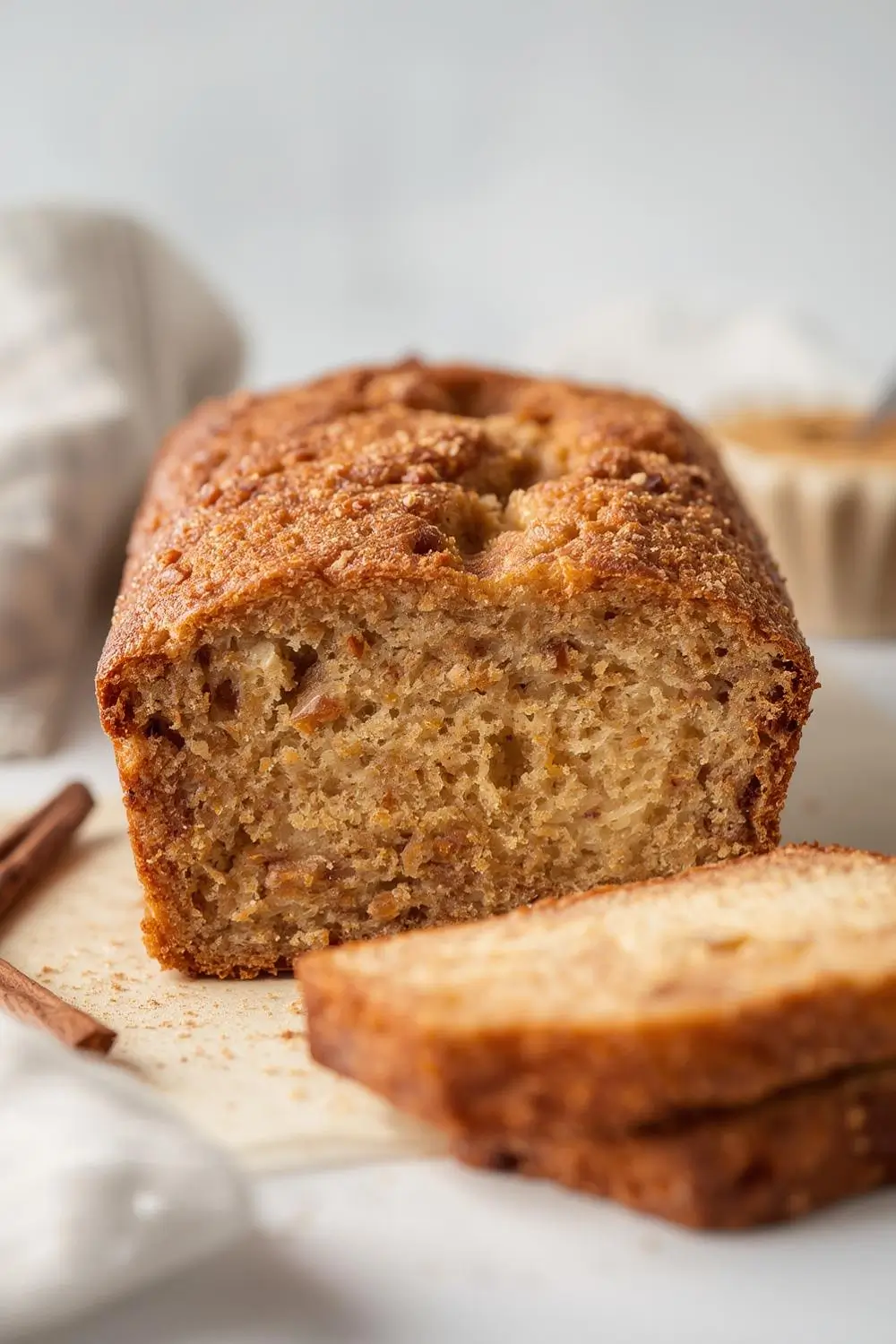
Imagine transforming that jar of tangy sourdough discard sitting in your fridge into something truly special. This isn’t just any lemon loaf; it’s a celebration of citrus brightness, tender crumb, and a sweet glaze that melts into every bite. Using your sourdough discard isn’t just clever – it adds a subtle, complex depth that elevates this cake far beyond a standard lemon treat. Perfect for breakfast, an afternoon snack, or a simple dessert, this loaf delivers pure, sunny joy. Let’s dive into creating this bakery-worthy masterpiece together.
Why Sourdough Discard is Your Secret Weapon
Sourdough discard often gets overlooked, destined for the trash. But this recipe proves its worth! The natural acidity and fermentation from the discard create a wonderfully tender crumb and a slightly tangy backdrop that perfectly balances the sweet lemon glaze. It adds a unique, almost sourdough-like complexity that regular cakes simply can’t match. Plus, it’s a fantastic way to reduce food waste – turning potential trash into a delicious treasure. You’ll wonder why you didn’t start using discard in cakes sooner!
Gathering Your Sunshine Ingredients
Before we begin, let’s gather everything you’ll need. This recipe relies on common pantry staples, making it accessible and easy to whip up. Remember, using room-temperature ingredients ensures everything blends smoothly.
- Sourdough Discard: The star! Use about 1 cup (240ml) of discard that’s been sitting out for 2-4 hours until it’s bubbly and active. This is crucial for the best texture and flavor.
- All-Purpose Flour: Provides the structure. You’ll need 1 3/4 cups (220g).
- Granulated Sugar: Sweetens the cake. 1 cup (200g) is perfect.
- Baking Powder: The rising agent. 1 1/2 teaspoons.
- Salt: Enhances all the flavors. 1/2 teaspoon.
- Large Eggs: At room temperature for best emulsification. 2 large eggs.
- Unsalted Butter: Melted and slightly cooled. 1/2 cup (113g).
- Whole Milk: Adds richness and moisture. 1/2 cup (120ml).
- Pure Lemon Juice: Freshly squeezed for maximum brightness. 1/4 cup (60ml).
- Lemon Zest: The fragrant, colorful essence of the lemon. From 2 large lemons.
- Vanilla Extract: A touch of warmth. 1 teaspoon.
- For the Glaze:
* Powdered Sugar: 1 1/2 cups (180g) for the perfect sweetness.
* Lemon Juice: 2-3 tablespoons (30-45ml) freshly squeezed for the right consistency and tang.
* Lemon Zest: A pinch for extra zing.
* Milk or Heavy Cream: 1-2 tablespoons (15-30ml) to adjust thickness.
Step-by-Step: Creating Your Citrus Delight
Now, let’s bring all these ingredients together. This process is straightforward, but paying attention to detail, especially with the lemon zest and juice, makes all the difference.
1. Prep Your Pan & Oven: Preheat your oven to 350°F (175°C). Grease and flour a standard 9×5 inch loaf pan, or line it with parchment paper for easy removal. This step ensures your beautiful cake releases cleanly.
2. Combine Dry Ingredients: In a medium bowl, whisk together the flour, baking powder, and salt. Set this aside. This ensures even distribution of the leavening agent.
3. Cream Butter & Sugar: In a large mixing bowl, beat the melted butter and granulated sugar together with an electric mixer on medium speed until light, fluffy, and pale in color (about 2-3 minutes). This creaming process incorporates air, crucial for a tender crumb.
4. Add Eggs & Flavorings: Beat in the eggs one at a time, mixing well after each addition. Scrape down the sides of the bowl. Add the vanilla extract and lemon zest, mixing until just combined. The zest should be evenly distributed.
5. Incorporate Sourdough Discard & Milk: Add the sourdough discard and whole milk to the butter mixture. Mix on low speed just until combined. Don’t overmix at this stage.
6. Fold in Flour: Gradually add the dry flour mixture to the wet ingredients in three additions, mixing on low speed just until no dry streaks remain. Overmixing at this point can lead to a tough cake. A few small lumps are perfectly fine.
7. Pour & Bake: Pour the batter into your prepared loaf pan, smoothing the top gently with a spatula. Bake for 50-65 minutes. The cake is done when a toothpick inserted into the center comes out clean or with just a few moist crumbs attached. The top should be golden brown and spring back lightly when touched. Baking times can vary slightly depending on your oven and pan.
8. Cool Completely: This is non-negotiable! Let the loaf cool in the pan on a wire rack for at least 30 minutes. Then, carefully remove it from the pan and let it cool completely on the rack before glazing. Cutting into a warm cake will cause it to crumble and the glaze to melt off. Patience ensures perfect slices.
Mastering the Sweet Lemon Glaze
The glaze is what takes this cake from good to absolutely divine. It’s simple, but getting the consistency right is key.
1. Whisk Glaze Ingredients: In a small bowl, whisk together the powdered sugar, lemon juice, lemon zest, and 1 tablespoon of milk or cream. Start with less liquid and add more as needed.
2. Achieve Perfect Consistency: The glaze should be thick enough to drizzle but thin enough to coat the back of a spoon. If it’s too thick, add a tiny bit more lemon juice or milk. If it’s too thin, whisk in a little more powdered sugar. Taste and adjust the lemon juice for your preferred tang level.
3. Drizzle & Set: Once the loaf is completely cool, place it on a wire rack set over a baking sheet (to catch drips). Pour the glaze over the center of the loaf, letting it slowly cascade down the sides. Use a spatula to gently spread it if needed. Let the glaze set for at least 15-20 minutes before slicing. This allows it to firm up beautifully.
Variations & Substitutions: Making it Your Own
This recipe is wonderfully adaptable. Here are some ideas to customize it:
- Adding Texture: Fold in 1/2 cup of chopped toasted nuts (walnuts, pecans) or 1/2 cup of chocolate chips into the batter before baking.
- Citrus Twist: Substitute some of the lemon juice with orange juice or lime juice for a different citrus profile. Add orange or lime zest as well.
- Spice It Up: Add 1/2 teaspoon of ground cinnamon or nutmeg to the dry ingredients for a warm, spiced lemon loaf.
- Dairy-Free: Use buttermilk or a dairy-free milk alternative (like almond or oat milk) in place of regular milk. Ensure your sourdough discard is dairy-free if needed.
- Gluten-Free: Use a 1:1 gluten-free flour blend in place of the all-purpose flour. Be mindful that gluten-free flours can behave differently; you might need a slightly different liquid ratio.
- Sweetener Swap: Replace granulated sugar with an equal amount of coconut sugar or brown sugar for a deeper flavor. Adjust liquid slightly if using brown sugar.
Storage & Reheating: Keeping the Sunshine Fresh
Proper storage ensures your lemon loaf stays moist and delicious:
- Room Temperature: Store the completely cooled, glazed loaf in an airtight container or wrapped tightly in plastic wrap at room temperature for up to 3 days. The glaze helps protect the crumb.
- Refrigerator: For longer storage (up to 5-7 days), wrap the loaf tightly in plastic wrap and then place it in an airtight container or resealable bag. The cool temperature can sometimes dry out the crumb slightly, so wrap it very well.
- Freezing: Wrap individual slices or the whole loaf tightly in plastic wrap, then place it in a freezer-safe bag or container. Freeze for up to 3 months. Thaw at room temperature or briefly warm in the oven for best texture.
- Reheating: To restore freshness, warm slices in a preheated 300°F (150°C) oven for 5-10 minutes, or microwave a slice for 15-20 seconds. Avoid overheating, which can dry it out.
Avoiding Common Pitfalls
Even experienced bakers encounter hiccups. Here’s how to avoid them:
Overmixing: This is the biggest culprit for a tough cake. Mix the batter just* until the dry ingredients are incorporated. A few lumps are okay!
- Underbaking: An undercooked center will sink or be gummy. Use the toothpick test – it should come out clean or with a few moist crumbs.
- Too Much Sourdough Discard: While discard is key, using too much can make the cake dense or overly tangy. Stick to the 1 cup measurement.
- Glaze Too Thin/Thick: Practice makes perfect! Start with the suggested amounts and adjust gradually. The glaze should drip slowly but coat the spoon.
- Cutting Too Soon: Resist the temptation! Cutting into a warm cake guarantees a crumbly mess. Cool completely for clean slices and set glaze.
Your Questions Answered
- Can I use discard that’s been in the fridge for a week? It’s best to use discard that’s been sitting out for 2-4 hours until it’s bubbly and active. Older discard might be too sour or inactive, affecting the texture.
- What if my loaf sinks in the middle? This often happens if it’s underbaked or overmixed. Ensure it’s baked long enough and mix gently.
- Can I make this without a loaf pan? A standard 9×5 inch pan is ideal. A smaller pan will make a taller loaf that might bake faster, while a larger pan will make a shorter loaf that might need slightly less time.
- How do I get the glaze to drip down the sides? Pour the glaze over the center of the cooled* loaf on a wire rack. The weight and gravity will naturally cause it to cascade down the sides. Use a spatula to gently guide it if needed.
- Can I add food coloring? A drop or two of yellow or green food coloring can enhance the lemon theme, but it’s optional. The natural color from the zest is beautiful.
- What’s the best way to store the loaf? For room temperature storage, an airtight container or tightly wrapped plastic wrap is best. Refrigeration is fine for longer storage, but wrap it very well to prevent drying out.
The Final Slice of Sunshine
There’s something deeply satisfying about baking with sourdough discard. It transforms what could be waste into a loaf bursting with flavor and texture. The bright, tangy lemon filling the air, the tender crumb melting in your mouth, and that sweet, glossy glaze – it’s pure comfort. This cake is more than just a recipe; it’s a testament to resourcefulness and the simple joy of baking. Whether you’re a sourdough veteran or just starting your discard journey, this lemon loaf is guaranteed to become a beloved staple. Share it with loved ones, savor it with your morning coffee, or enjoy it as an afternoon treat. The sunshine is waiting in your loaf pan. Happy baking!