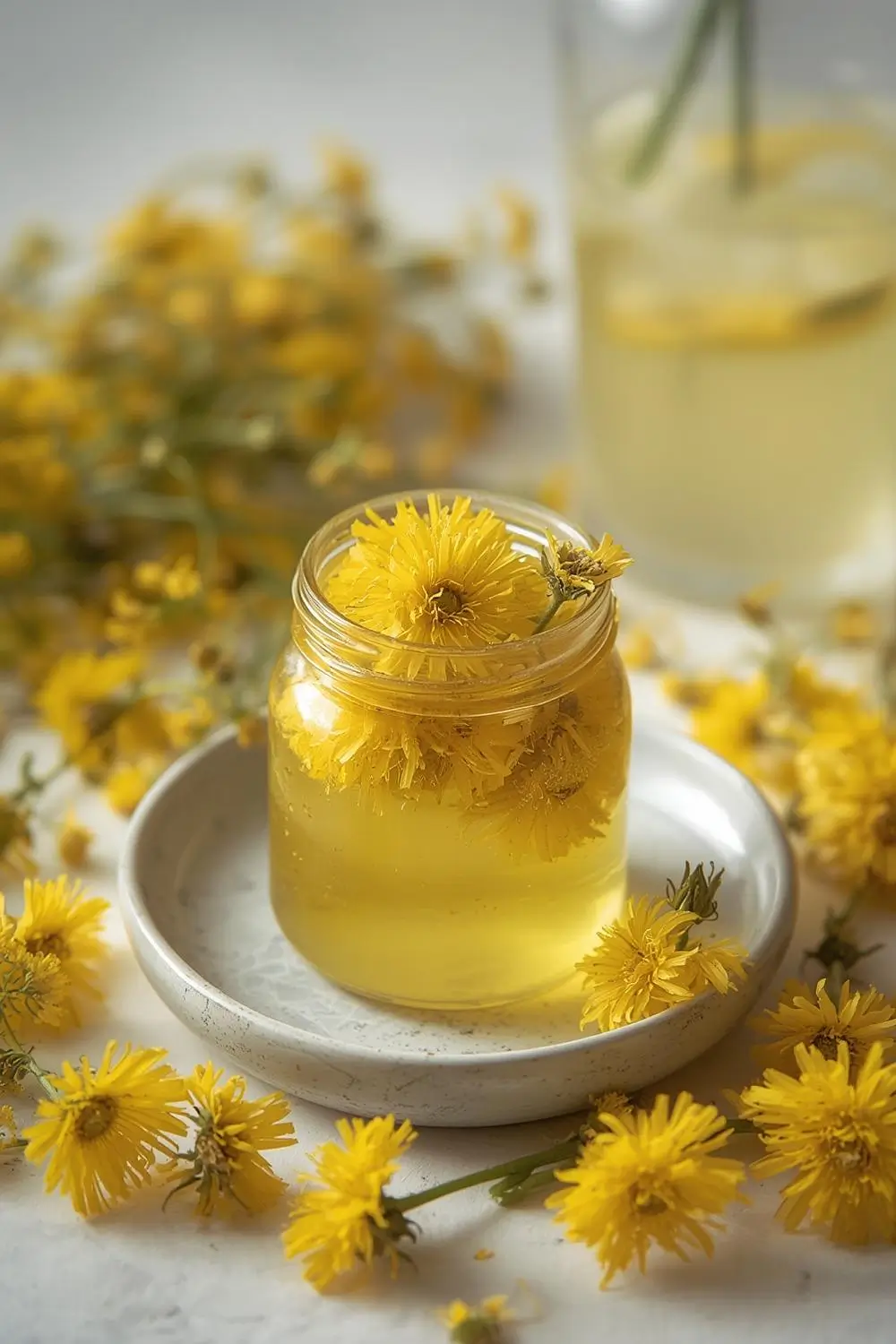
Dandelion FlowerSimple Syrup: Capturing Spring’s Delicate Magic
Spring whispers its arrival through the vibrant burst of wildflowers, and among them, the humble dandelion holds a special place. Often dismissed as a weed, the dandelion is a true gift from nature, offering not just nourishment but a unique, fragrant sweetness that transforms ordinary dishes into something extraordinary. This Dandelion Flower Simple Syrup recipe invites you to harness the bright, earthy essence of these resilient blossoms, creating a versatile, all-natural sweetener perfect for health-conscious cooks and foraging enthusiasts alike. Imagine drizzling this golden nectar over fluffy pancakes, brightening up a glass of lemonade, or adding a sophisticated floral note to cocktails – all without a hint of pork, alcohol, or processed sugars. Let’s embark on a simple, rewarding journey to capture the fleeting magic of spring in every drop.
Why Dandelion Syrup?
Foraging for wild dandelions connects us deeply to the land and seasons. This simple syrup isn’t just about sweetness; it’s about flavor. The dandelion’s subtle bitterness beautifully balances its floral sweetness, creating a complex profile that elevates both sweet and savory creations. It’s a celebration of nature’s bounty, requiring minimal ingredients and effort, yet yielding a product far superior to anything store-bought. Best of all, it aligns perfectly with a mindful, health-conscious approach to cooking, free from artificial additives and refined sugars.
The Essence of Simplicity: Ingredients Explained
The beauty of this recipe lies in its minimalism. You’ll need just three core ingredients, each playing a vital role:
Fresh Wild Dandelion Blossoms: This is the star! Choose blossoms that are fully open, vibrant yellow, and free from any signs of wilting, browning, or insect damage. They should be harvested from areas untouched by pesticides, herbicides, or heavy traffic. The petals hold the delicate floral oils and color. Avoid the green sepals (the hairy base) as they can impart a slightly bitter taste.*
- Granulated Sugar: White granulated sugar is traditional and provides a clean sweetness that lets the dandelion flavor shine. You can experiment with organic cane sugar or coconut sugar for a slightly different nuance, but white sugar offers the purest base. The sugar acts as the preserving agent and sweetener.
- Water: Filtered or spring water is ideal, as it ensures the purest flavor without any chlorine or mineral tastes that could interfere with the delicate dandelion essence. Tap water can work if it’s good quality, but filtered is best.
Optional Enhancements (Variations):
- Citrus Zest: Adding a strip of lemon or orange zest to the syrup during simmering infuses a bright, complementary citrus note that pairs wonderfully with the dandelion’s earthiness.
- Fresh Herbs: A few sprigs of fresh mint, thyme, or rosemary can add an intriguing aromatic dimension. Add them during the simmering process.
- Spice: A single cinnamon stick or a few whole cloves can lend a warm, comforting depth. Remove before bottling.
- Fruit: A handful of ripe berries (like raspberries or blueberries) can be muddled with the blossoms before simmering for a fruity twist.
Step-by-Step: Crafting Your Spring Elixir
Making dandelion simple syrup is a gentle, almost meditative process. It requires patience and attention to detail to capture the essence perfectly.
1. Preparation is Key: Begin by carefully picking the dandelion blossoms. Gently pull or snip the petals away from the green sepals and any attached green parts. Rinse the petals briefly under cool, running water to remove any dust or tiny insects. Pat them very dry with clean paper towels. This step is crucial to prevent dilution and potential spoilage.
2. The Simmering Process: In a medium saucepan, combine the prepared dandelion petals, sugar, and water. Stir gently to ensure the sugar starts dissolving. Place the saucepan over medium-low heat. Do not bring it to a boil. The goal is a gentle simmer, where small bubbles occasionally break the surface. This slow heat gently extracts the dandelion’s delicate flavors and color without scorching the sugar or destroying the volatile aromatic compounds.
3. Infusion Time: Once simmering, reduce the heat to low. Cover the saucepan loosely with a lid or a piece of parchment paper. Let the mixture simmer gently for approximately 20-30 minutes. This is the infusion period where the magic happens. The liquid will gradually take on a beautiful golden hue, and the air will fill with the sweet, floral scent of the dandelions. Stir occasionally to ensure even extraction.
4. Straining for Purity: After the infusion time, remove the saucepan from the heat. Carefully strain the syrup through a fine-mesh sieve or a cheesecloth-lined funnel into a clean, heatproof glass jar or bottle. Use a spoon to press gently on the petals to extract as much liquid as possible. Discard the spent petals. This step removes any remaining green bits or sediment, resulting in a crystal-clear, elegant syrup.
5. Cooling and Bottling: Allow the syrup to cool completely to room temperature. This is vital to prevent condensation inside the bottle, which can dilute the syrup and promote spoilage. Once cool, securely cap the bottle. Label it clearly with the date and contents.
Tips for Success & Avoiding Pitfalls
- Freshness Matters: Using freshly harvested, vibrant blossoms yields the best flavor and color. Wilted or old blossoms will produce a weaker, less appealing syrup.
- Gentle Heat is Essential: Boiling the mixture aggressively can cause the sugar to caramelize or the delicate dandelion flavors to evaporate. A gentle simmer is key.
- Patience Pays Off: Rushing the infusion time by simmering too vigorously or for too short a time will result in a weaker flavor. Allow the full 20-30 minutes for optimal extraction.
- Straining Thoroughly: Ensure you strain the syrup well to remove all petal fragments. This prevents a gritty texture and ensures a smooth pour.
- Cool Before Capping: Pouring hot syrup into a bottle and immediately sealing it traps steam, leading to condensation and potential dilution. Always cool completely.
- Storage is Simple: Store your bottled dandelion syrup in a cool, dark place like a pantry or cupboard. Once opened, refrigerate it to extend its shelf life. Properly stored, it should last several months. If you notice any off smells, mold, or cloudiness, discard it immediately.
Creative Uses: Beyond the Pancake Drizzle
The versatility of dandelion simple syrup is one of its greatest charms. Here are just a few ideas to inspire your culinary creativity:
- Beverages: The obvious choice! Stir into sparkling water for a refreshing dandelion soda, mix into iced tea, lemonade, or iced coffee. Add a splash to cocktails like a classic gin and tonic, a sparkling wine spritzer, or a floral mocktail.
- Desserts: Drizzle over pancakes, waffles, or French toast. Use as a glaze for cakes, cupcakes, or scones. Swirl into yogurt or oatmeal. Make a simple syrup-based ice cream or sorbet.
- Cooking & Baking: Brush onto roasted vegetables (like carrots or squash) for a sweet, earthy glaze. Add a teaspoon to marinades for chicken or pork (ensuring no alcohol is used). Incorporate into cookie or brownie batter for a unique flavor twist.
- Savory Applications: A few drops can brighten up a vinaigrette dressing for salads featuring bitter greens like arugula or dandelion greens themselves. Use sparingly to balance acidity in sauces.
Storage & Reheating (If Needed)
As mentioned, store your bottled syrup in a cool, dark place for up to 6 months unopened. Once opened, refrigerate and use within 1-2 months for the best flavor and quality. Reheating is generally unnecessary due to the high sugar content acting as a preservative. If you ever need to gently warm it (e.g., for a specific recipe), do so over low heat in a saucepan, stirring constantly, and never boil it.
Common Mistakes to Avoid
- Using Wilted/Damaged Blossoms: This leads to weak flavor and potential bitterness.
- Boiling Vigorously: Scorches sugar and destroys delicate flavors.
- Skipping the Cooling Step: Causes condensation and dilution.
- Inadequate Straining: Leaves behind gritty bits.
- Using Non-Filtered Water: Can impart unwanted tastes.
- Over-Adding Enhancements: Too much citrus zest, herbs, or spices can overwhelm the delicate dandelion flavor.
Frequently Asked Questions (FAQs)
1. Can I use dandelion greens in this syrup? While the greens are edible and nutritious, they have a distinctly bitter taste. Adding them to the syrup would likely make it unpalatable. The syrup focuses solely on the delicate flavor of the petals.
2. What if I can’t find fresh dandelions? While fresh is best, you can sometimes find dandelion petals dried at specialty stores or online. However, the flavor and color will be significantly less vibrant. Foraging is the most authentic and rewarding method.
3. Is this syrup safe for children? Yes, it’s a natural sweetener. However, due to its concentrated sweetness, use it sparingly, especially for young children. Always supervise children when they are foraging or handling plants.
4. Can I make this syrup without sugar? While sugar is traditional and acts as the preservative, you could experiment with honey or maple syrup for a different flavor profile. However, the texture and shelf life will differ, and it may not preserve as long without refrigeration. The classic recipe uses sugar.
5. How do I know if the syrup has gone bad? If it develops an off smell (sour, fermented), shows signs of mold growth, or becomes cloudy with sediment, discard it immediately. Proper storage minimizes this risk.
6. Can I freeze dandelion simple syrup? Yes! Freezing is an excellent way to preserve it long-term. Pour it into clean ice cube trays, freeze, then transfer the cubes to a freezer bag. Use frozen cubes directly in drinks as they melt. This is perfect for small batches or if you harvest more blossoms than you can use immediately.
A Final Sip of Spring
Creating your own dandelion flower simple syrup is more than just a culinary project; it’s an act of connection. It links you to the rhythms of the earth, the resilience of nature, and the simple joy of transforming something wild into something wonderfully sweet. This golden elixir, born from the heart of spring, is a testament to the bounty that surrounds us, waiting to be discovered and cherished. Whether you drizzle it over breakfast, mix it into a refreshing drink, or use it to elevate a dessert, each drop carries the delicate, earthy magic of the dandelion. So, venture out, forage responsibly, and let the vibrant spirit of spring infuse your kitchen and your creations. Happy foraging and happy sweetening!