Table of Contents
- 1 Why This Recipe Works
- 2 Ingredients
- 3 Equipment Needed
- 4 Preparing the Corned Beef
- 5 Cooking the Cabbage
- 6 Making Sweet Caramelized Onions
- 7 Bringing the Dish Together
- 8 Flavor Variations
- 9 Tips for Perfect Results
- 10 Storage and Reheating
- 11 Nutritional Highlights
- 12 Common Mistakes to Avoid
- 13 Serving Suggestions
- 14 Ideal Occasions for This Recipe
- 15 Frequently Asked Questions
- 16 Final Thoughts
Few dishes capture the essence of comfort food quite like corned beef and cabbage. It’s warm, hearty, and deeply satisfying—a meal that feels like home with every bite. This version takes that classic foundation and enhances it with one simple yet transformative addition: sweet caramelized onions.
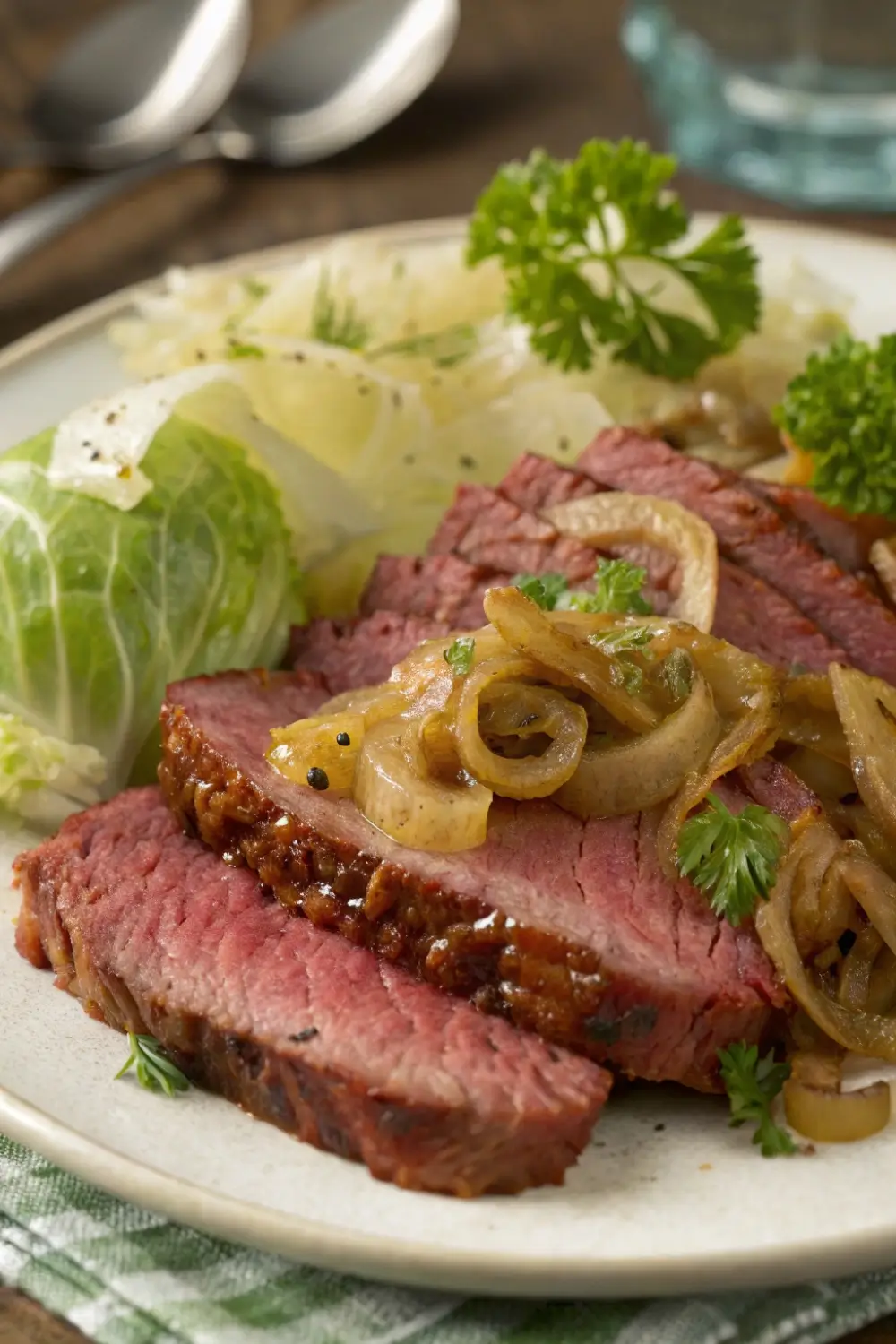
Slow-cooked onions develop a rich, golden sweetness that perfectly balances the savory depth of corned beef. When layered over tender slices of beef and soft, flavorful cabbage, they create a combination that feels both familiar and elevated. The result is a dish that offers depth, contrast, and a touch of natural sweetness without overwhelming the traditional character.
This recipe is perfect for cozy dinners, relaxed weekends, or whenever you want to prepare something that feels both comforting and thoughtfully crafted. With simple ingredients and a focus on technique, you’ll create a meal that’s rich in flavor and beautifully balanced.
Why This Recipe Works
Sweet Meets Savory
The caramelized onions introduce a gentle sweetness that enhances the natural flavors of the beef without overpowering them.
Layers of Flavor
Each component—the beef, cabbage, and onions—brings something unique, creating a well-rounded and satisfying dish.
Comfort Food Elevated
This recipe stays true to tradition while adding a subtle twist that makes it feel special.
Simple Yet Impressive
Despite its depth of flavor, the dish is straightforward to prepare and doesn’t require complicated techniques.
Ingredients
For the Corned Beef
1 (3–4 pound) corned beef brisket with spice packet
10 cups water (or enough to cover)
1 large onion, quartered
4 cloves garlic, smashed
2 bay leaves
1 teaspoon black peppercorns
For the Cabbage
1 large green cabbage, cut into wedges
For the Caramelized Onions
3 large onions, thinly sliced
3 tablespoons olive oil or butter
1/2 teaspoon salt
1/2 teaspoon black pepper
1 teaspoon sugar (optional, for enhanced caramelization)
Equipment Needed
Essential Tools
Large pot or Dutch oven
Large skillet or sauté pan
Sharp knife
Cutting board
Optional Tools
Wooden spoon
Lid for skillet
Tongs
Preparing the Corned Beef
Rinse and Prepare
Remove the corned beef from its packaging and rinse it under cold water. This step helps reduce excess salt and ensures a more balanced flavor.
Place the beef into a large pot and cover it with water. Add the quartered onion, garlic, bay leaves, and peppercorns.
Slow Simmer for Tenderness
Bring the pot to a gentle boil, then reduce the heat to low. Cover and let it simmer for about 2.5 to 3 hours.
The slow cooking process allows the meat to become tender while absorbing the flavors from the aromatics.
Cooking the Cabbage
Timing for Best Results
Add the cabbage wedges during the final 20 minutes of cooking.
This ensures the cabbage becomes soft and flavorful without losing its structure.
Flavor Infusion
Cooking the cabbage in the same pot allows it to soak up the seasoned broth, giving it a savory depth that complements the beef.
Making Sweet Caramelized Onions
Preparing the Onions
Slice the onions thinly to ensure even cooking and proper caramelization.
Cooking Low and Slow
Heat olive oil or butter in a large skillet over medium-low heat. Add the onions and sprinkle with salt.
Cook slowly, stirring occasionally, allowing the onions to soften and release their natural sugars.
Developing Caramelization
As the onions cook, they will gradually turn golden, then deep brown. This process can take 25–40 minutes.
If desired, add a small amount of sugar to enhance the caramelization.
Achieving the Perfect Texture
The onions should be soft, richly colored, and slightly sticky, with a deep, sweet flavor.
Bringing the Dish Together
Resting the Beef
Once the corned beef is cooked, remove it from the pot and let it rest for 10–15 minutes.
Slicing Properly
Slice the beef against the grain into thin pieces for maximum tenderness.
Assembling the Plate
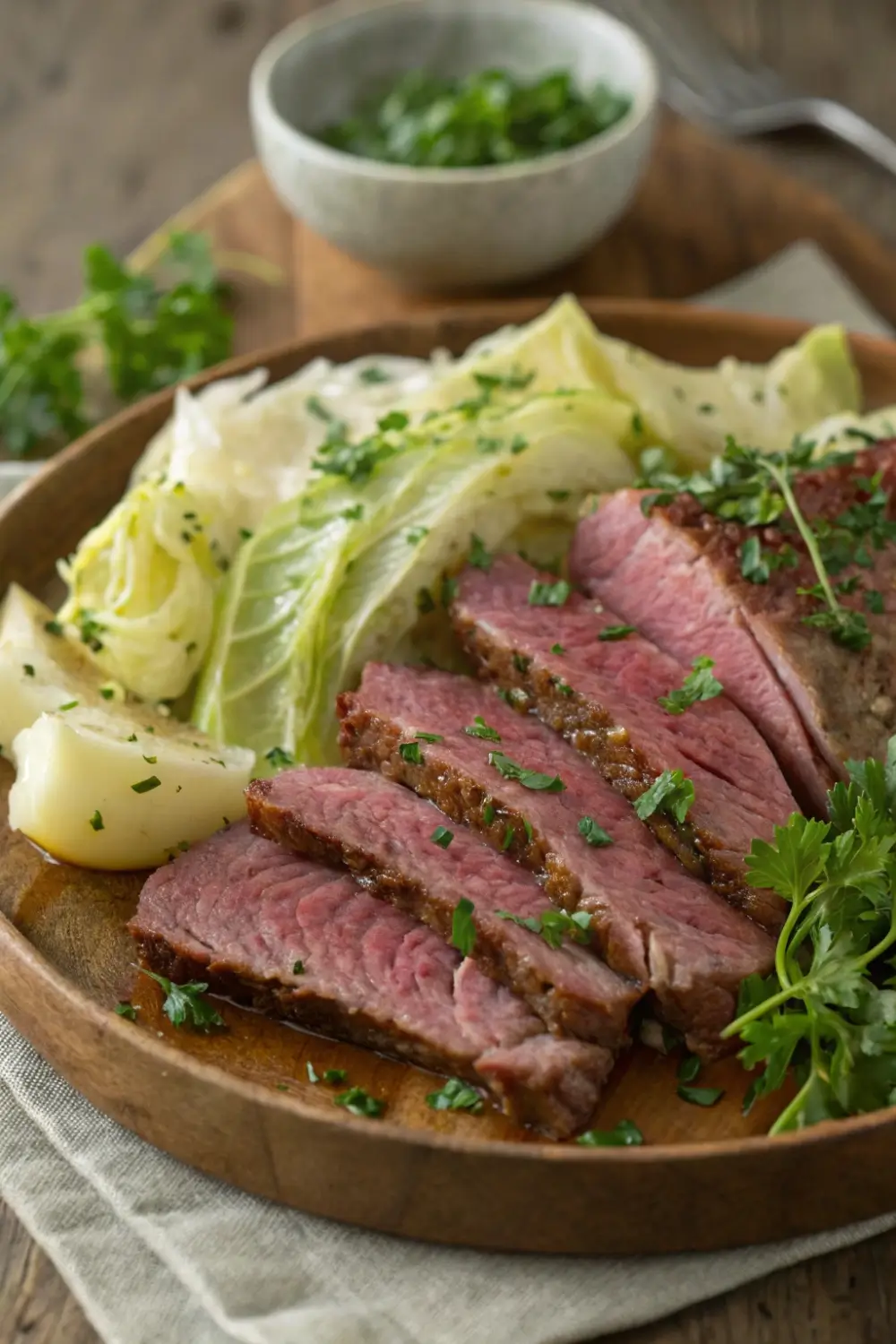
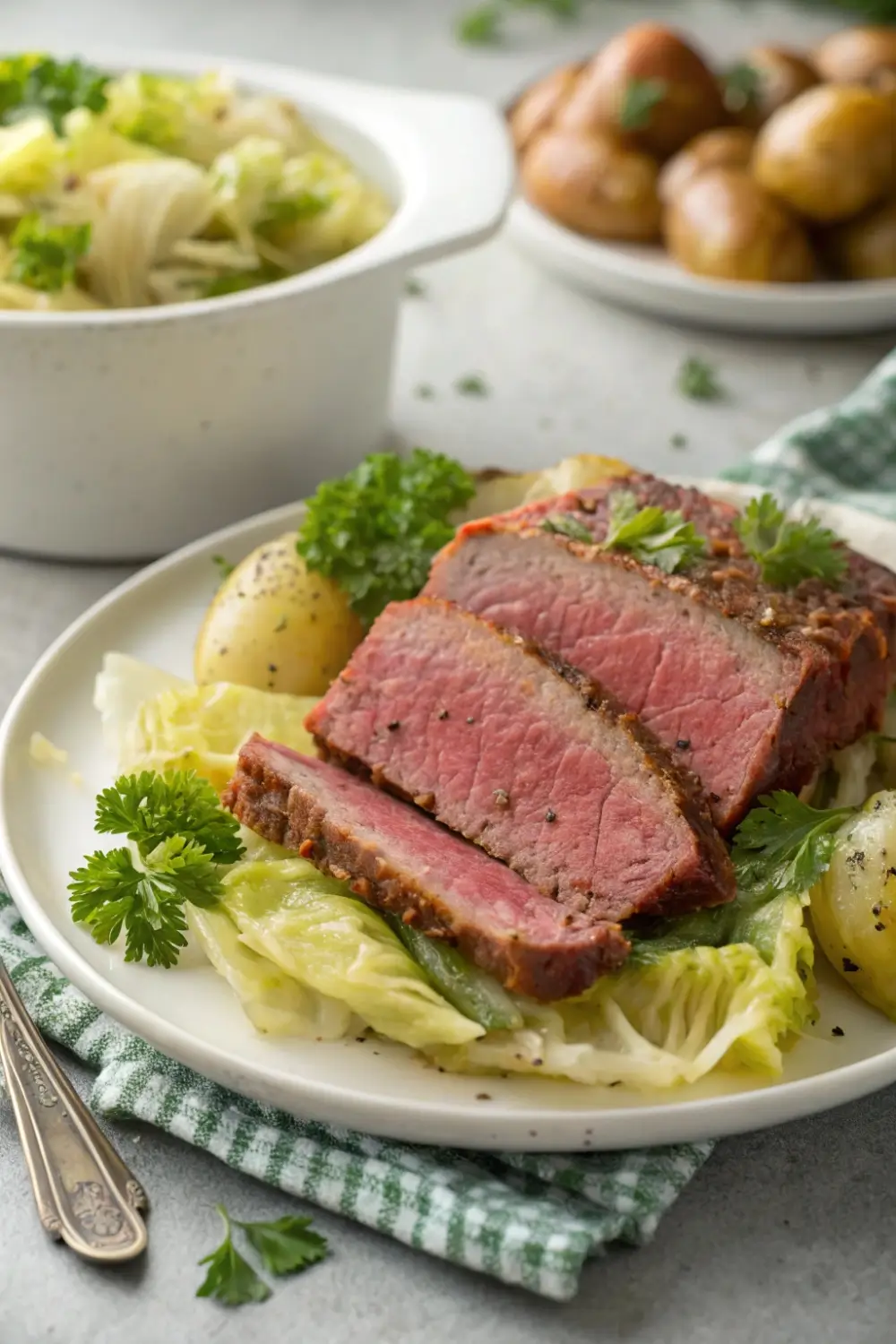
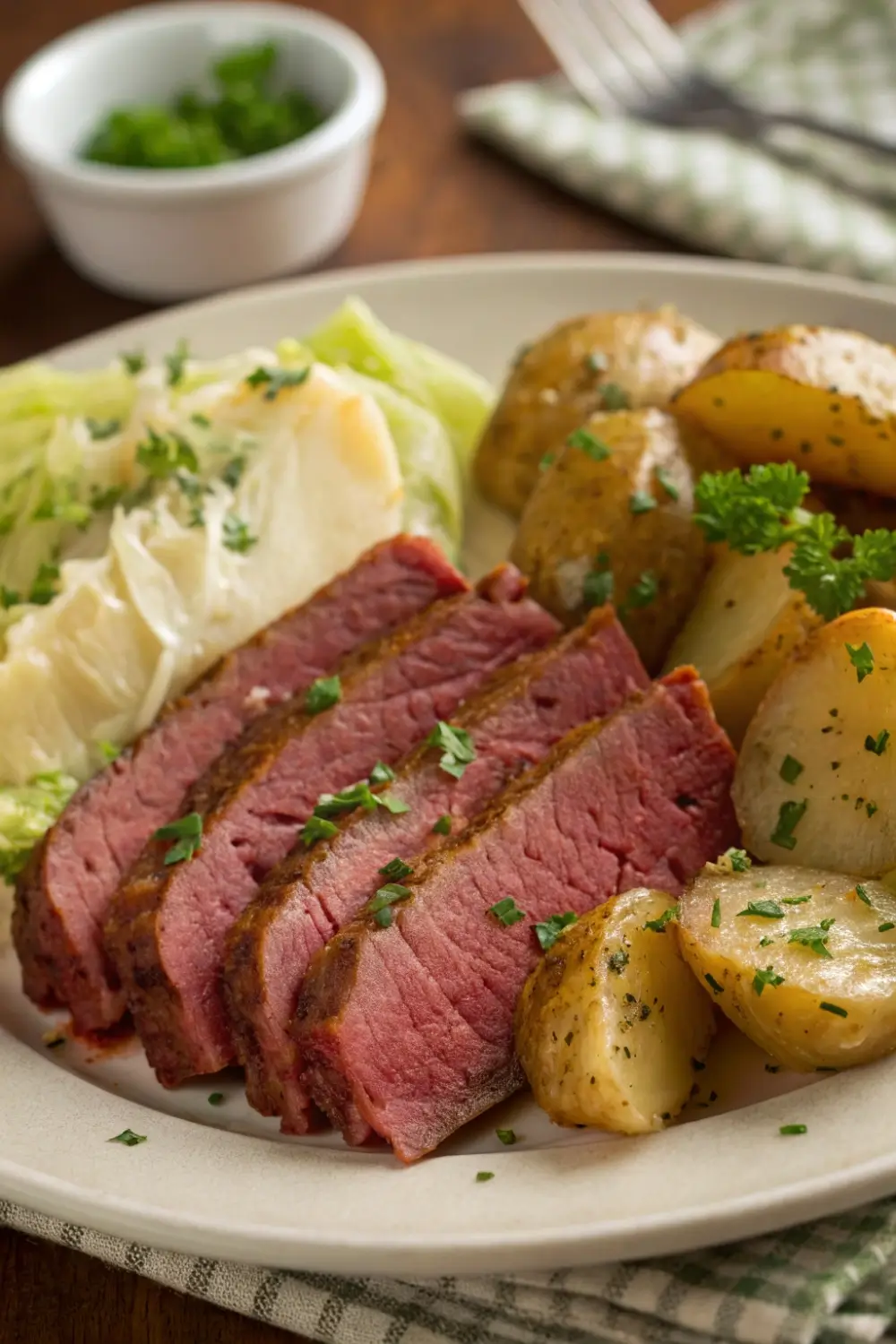
Arrange the sliced corned beef on a serving platter. Add cabbage wedges alongside.
Spoon the caramelized onions generously over the top of the beef, allowing their sweetness to blend with the savory juices.
Flavor Variations
Garlic Caramelized Onions
Add minced garlic during the final few minutes of cooking for extra depth.
Herb-Infused Version
Mix fresh thyme or rosemary into the onions for a fragrant twist.
Slightly Tangy Finish
Add a splash of apple cider vinegar to the onions at the end for a subtle contrast.
Tips for Perfect Results
Be Patient with the Onions
Caramelization takes time. Avoid rushing the process by using high heat.
Keep the Beef Moist
Ensure the pot always has enough liquid during cooking.
Slice Against the Grain
This step is essential for achieving tender slices of beef.
Taste and Adjust
Season each component as needed to create a balanced final dish.
Storage and Reheating
Refrigeration
Store leftovers in airtight containers for up to 4 days.
Freezing
Corned beef can be frozen for up to 2 months. Onions can also be frozen, though their texture may soften slightly.
Reheating
Reheat gently on the stovetop or in the oven. Add a bit of broth or water to keep everything moist.
Nutritional Highlights
This dish offers a satisfying combination of nutrients:
Corned beef provides protein and iron
Cabbage delivers fiber and vitamins
Onions add antioxidants and natural sweetness
It’s a well-rounded meal that balances richness with nutritional value.
Common Mistakes to Avoid
Rushing the Onions
Cooking onions too quickly prevents proper caramelization and flavor development.
Overcooking the Cabbage
Adding it too early can result in a mushy texture.
Skipping the Resting Step
Cutting the beef too soon can cause it to lose its juices.
Underseasoning
Each component should be properly seasoned for the best overall flavor.
Serving Suggestions
Side Dishes
Steamed green beans
Roasted carrots
Light garden salad
Bread Pairings
Serve with crusty bread or soft rolls to soak up the flavorful juices.
Ideal Occasions for This Recipe
This dish is perfect for:
Family dinners
Weekend meals
Holiday gatherings
Comfort food cravings
Its rich flavor and satisfying texture make it a standout option for any occasion.
Frequently Asked Questions
Can I make the caramelized onions ahead of time?
Yes, they can be prepared in advance and reheated before serving.
How do I know when the beef is done?
It should be fork-tender and easy to slice.
Can I use red onions instead?
Yes, though they will have a slightly different sweetness and color.
Is sugar necessary for caramelization?
No, onions naturally caramelize on their own, but sugar can enhance the process.
Can I add more vegetables?
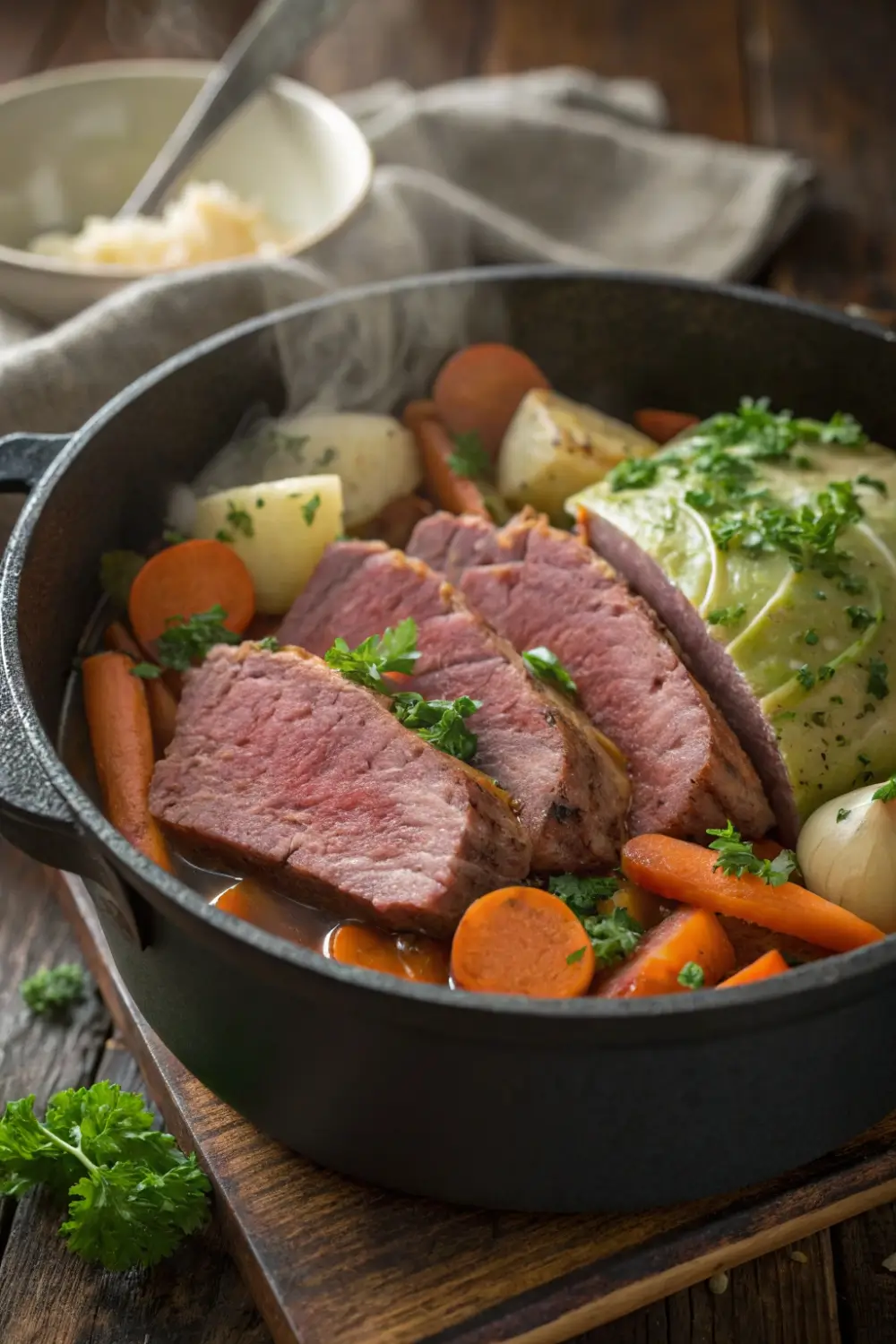
Yes, carrots or potatoes can be included in the pot with the cabbage.
How do I prevent the onions from burning?
Cook them over low heat and stir occasionally.
Can I make this dish in a slow cooker?
Yes, cook the beef on low for 8–9 hours and prepare the onions separately.
Final Thoughts
Corned beef and cabbage with sweet caramelized onions is a beautiful example of how a simple addition can transform a classic dish. The deep, rich sweetness of the onions adds a new dimension, perfectly balancing the savory, tender beef and soft cabbage.
This recipe is all about patience and simplicity—allowing each ingredient to develop its full flavor and come together in a harmonious way. The result is a meal that feels comforting, satisfying, and just a little bit elevated.
Whether you’re preparing it for a special gathering or a quiet evening at home, this dish delivers warmth, flavor, and a sense of tradition with every bite.