Table of Contents
- 1 Why Crispy Edges Make This Recipe Special
- 2 Ingredients
- 3 Equipment Needed
- 4 Step One: Preparing the Corned Beef
- 5 Step Two: Cooking the Vegetables
- 6 Step Three: Preparing for Roasting
- 7 Step Four: Roasting for Crispy Edges
- 8 Final Assembly and Serving
- 9 Flavor Variations
- 10 Tips for Achieving Perfect Crispiness
- 11 Storage and Reheating
- 12 Nutritional Benefits
- 13 Common Mistakes to Avoid
- 14 Serving Suggestions
- 15 Perfect Occasions for This Recipe
- 16 Frequently Asked Questions
- 17 Final Thoughts
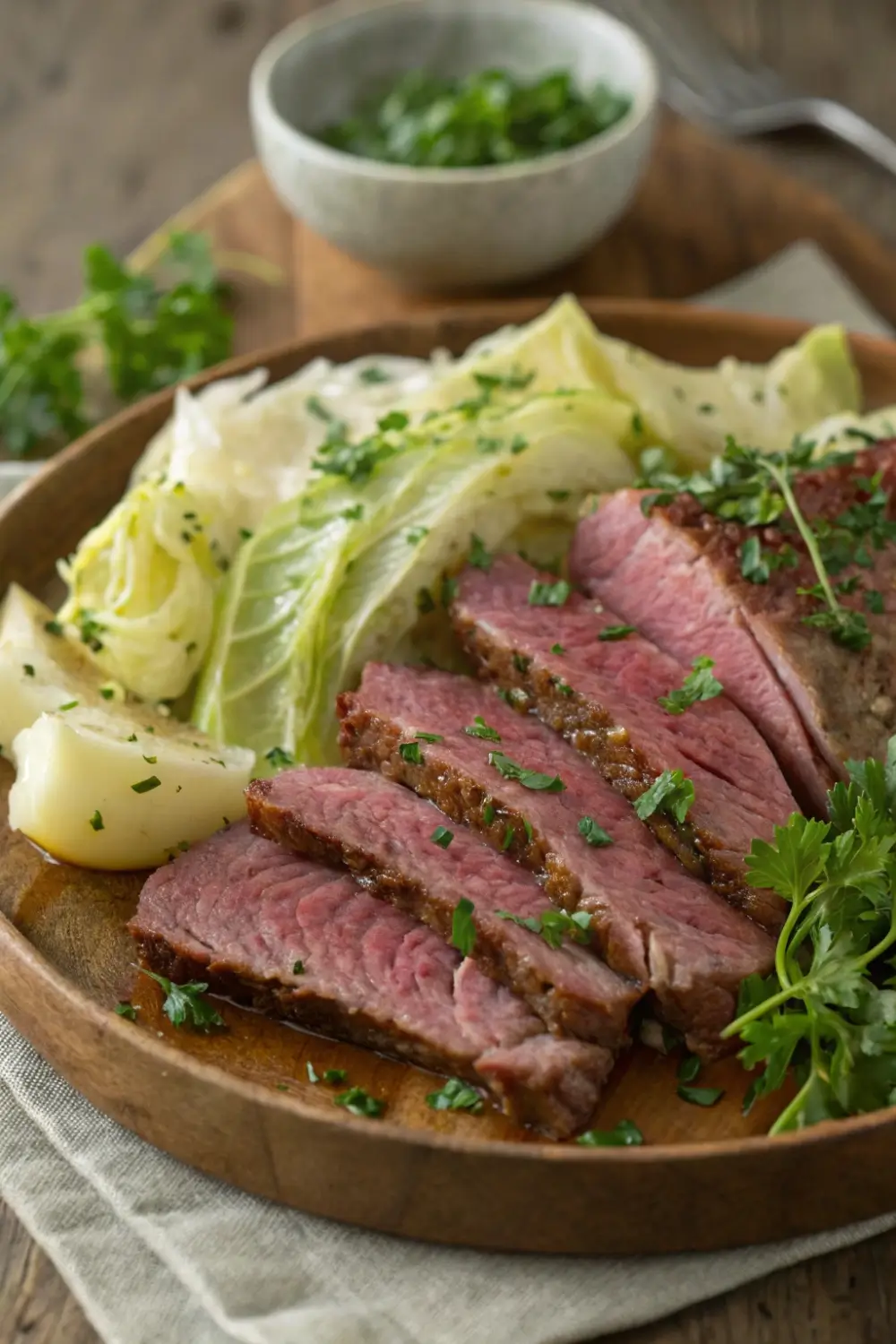
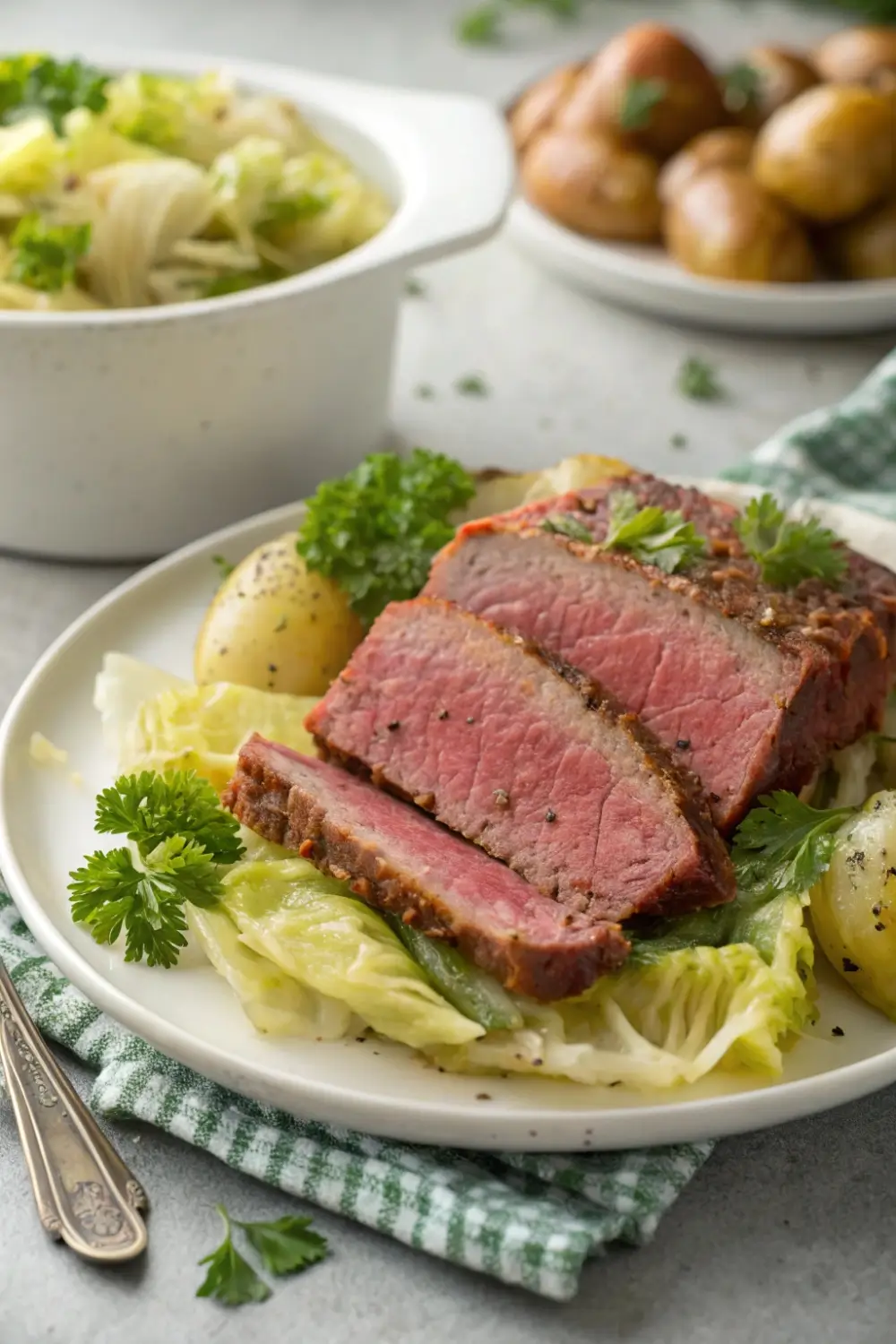
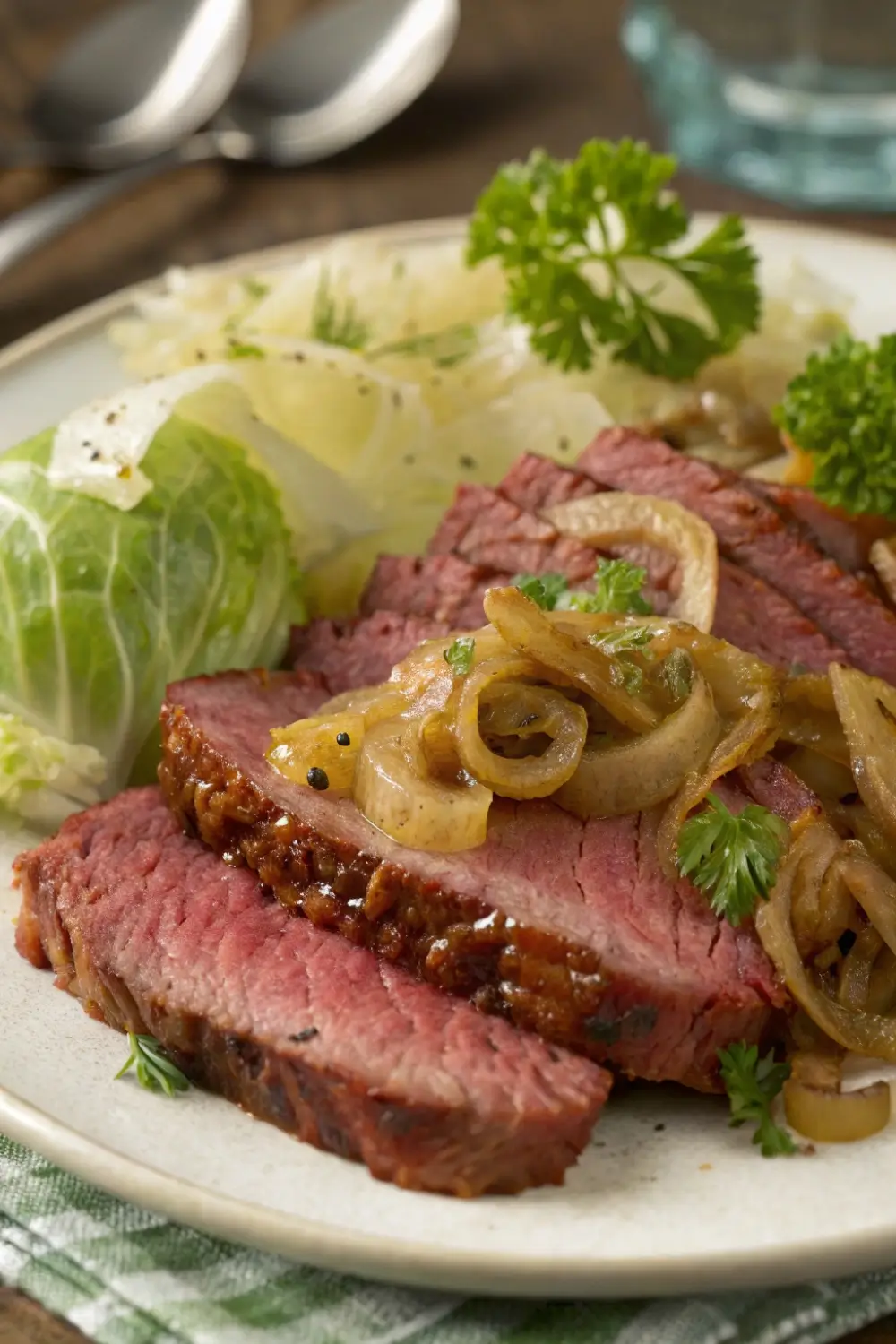
Corned beef and cabbage is a dish that has stood the test of time, loved for its hearty nature and comforting flavors. But if you’ve ever wished this classic meal had just a bit more texture—something to contrast the tender meat and soft vegetables—this recipe is exactly what you need. By adding crispy roasted edges, you transform a familiar favorite into a dish that feels fresh, exciting, and deeply satisfying.
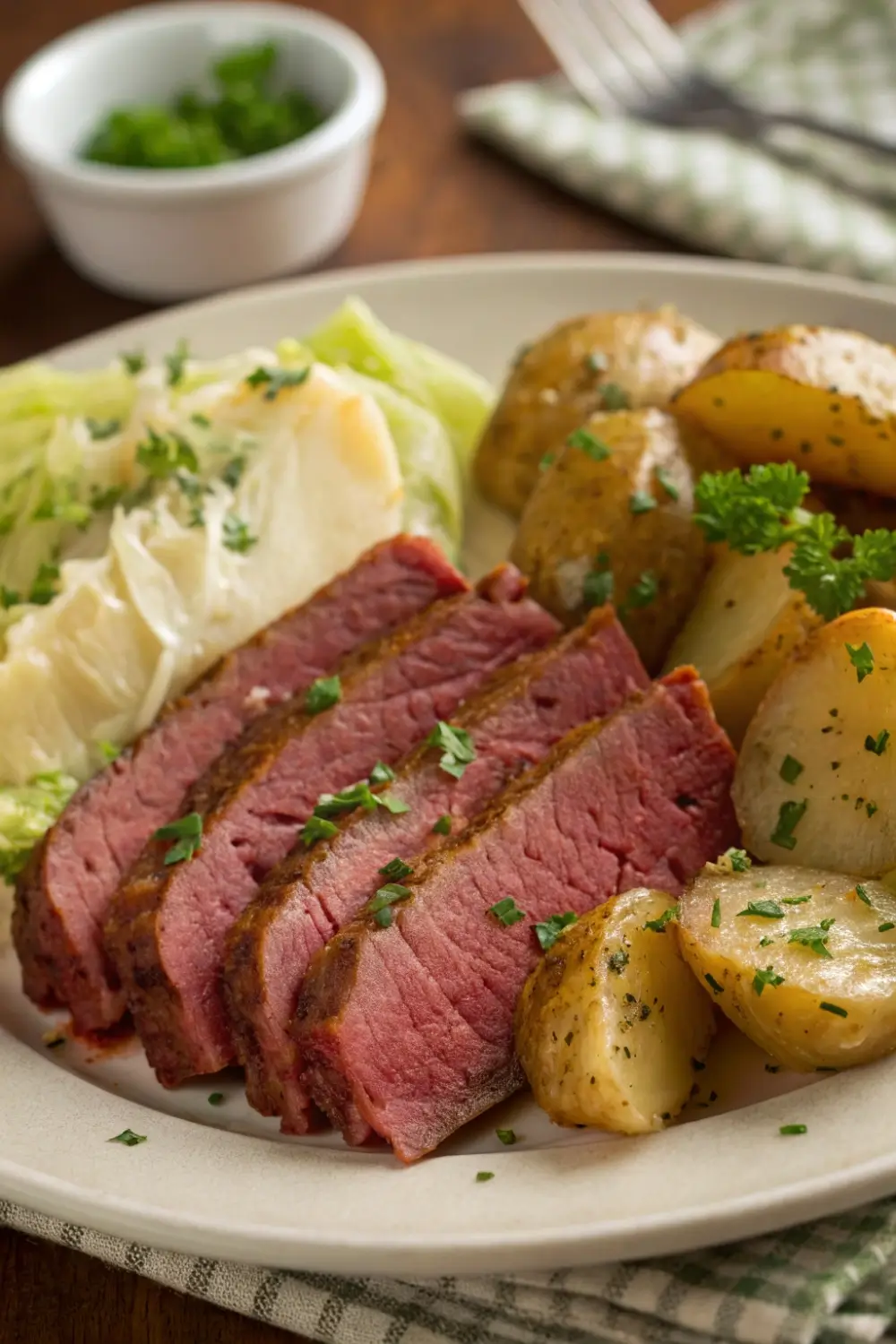
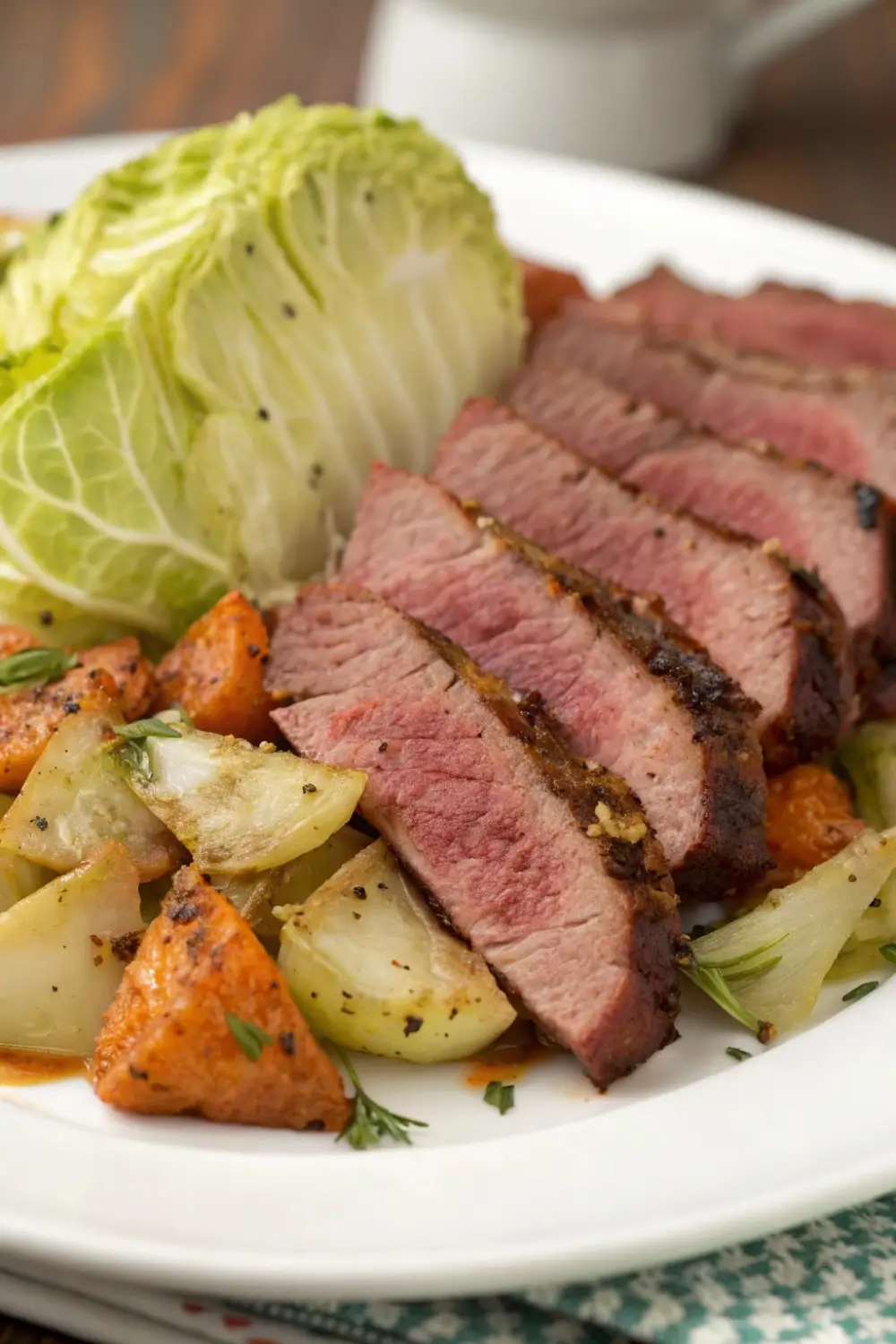
This version starts with slow-cooked corned beef that becomes incredibly tender and flavorful. Then, instead of stopping there, the meat and vegetables are roasted at a higher temperature to create beautifully crisp edges. The result is a perfect balance: juicy, melt-in-your-mouth beef paired with caramelized, slightly crunchy cabbage, carrots, and potatoes.
It’s a simple twist that delivers big results. Whether you’re cooking for family, hosting a cozy dinner, or just craving something comforting with a bit of texture, this recipe brings new life to a beloved classic.
Why Crispy Edges Make This Recipe Special
Texture That Elevates Every Bite
Traditional corned beef and cabbage is known for its softness. While delicious, it can sometimes lack contrast. Roasting adds crispness that makes each bite more dynamic and enjoyable.
Caramelization Brings Out Flavor
When exposed to high heat, natural sugars in the meat and vegetables caramelize, creating deeper, richer flavors.
Balanced Cooking Method
You get the best of both worlds—slow cooking for tenderness and roasting for texture.
A Fresh Take on a Classic
This recipe keeps the heart of the traditional dish intact while introducing a modern, irresistible upgrade.
Ingredients
For the Corned Beef
1 (3–4 pound) corned beef brisket with spice packet
8–10 cups water
1 large onion, quartered
4 cloves garlic, smashed
2 bay leaves
1 teaspoon black peppercorns
For the Vegetables
1 large green cabbage, cut into wedges
5 medium potatoes, halved
4 large carrots, cut into thick sticks
For Roasting
2 tablespoons olive oil
1 teaspoon garlic powder
1/2 teaspoon black pepper
1/2 teaspoon salt
Equipment Needed
Essential Tools
Large pot or Dutch oven
Baking sheet or roasting pan
Tongs
Sharp knife
Cutting board
Optional Tools
Wire rack for roasting
Meat thermometer
Step One: Preparing the Corned Beef
Rinse and Set Up
Remove the corned beef from its packaging and rinse it under cold water. This helps reduce excess salt and ensures a more balanced flavor.
Place the beef into a large pot and cover it with water. Add onion, garlic, bay leaves, and peppercorns to build a flavorful cooking base.
Slow Cooking for Tenderness
Bring the pot to a boil, then reduce the heat to low and cover. Let the beef simmer gently for about 2.5 to 3 hours.
This slow cooking process breaks down the fibers in the meat, resulting in a tender, juicy texture that’s essential for this recipe.
Step Two: Cooking the Vegetables
Timing the Vegetables
Add potatoes and carrots to the pot about 40 minutes before the beef is done.
Add cabbage wedges during the final 15–20 minutes. This keeps them tender but not overly soft.
Draining and Preparing for Roasting
Once everything is cooked, carefully remove the beef and vegetables from the pot. Let them cool slightly so they’re easier to handle.
Step Three: Preparing for Roasting
Preheat the Oven
Set your oven to 425°F (220°C). This high temperature is key to achieving crispy edges.
Slice the Corned Beef
Cut the beef into thick slices or large chunks, depending on your preference. Slicing exposes more surface area for crisping.
Season the Vegetables
Place the cabbage, potatoes, and carrots on a baking sheet. Drizzle with olive oil and sprinkle with garlic powder, salt, and pepper.
Toss gently to coat everything evenly.
Step Four: Roasting for Crispy Edges
Arrange for Even Browning
Spread the vegetables in a single layer on the baking sheet. Avoid overcrowding, as this can prevent proper crisping.
Place the sliced corned beef alongside or on a separate sheet.
Roast to Perfection
Roast everything in the oven for 20–30 minutes, turning halfway through.
The edges should become golden brown and slightly crispy, while the insides remain tender.
Final Assembly and Serving
Bringing It All Together
Transfer the roasted corned beef and vegetables to a serving platter.
The contrast between the crispy edges and soft interiors creates a visually appealing and mouthwatering presentation.
Optional Finishing Touch
Sprinkle fresh parsley over the top for a touch of color and freshness.
Flavor Variations
Garlic Herb Roast
Add dried thyme, rosemary, or oregano to the vegetables before roasting.
Light Sweet Glaze
Brush a small amount of honey over the beef before roasting for a subtle sweet crust.
Spicy Edge
Sprinkle a pinch of chili flakes for a gentle heat.
Tips for Achieving Perfect Crispiness
Dry the Ingredients
Pat the beef and vegetables dry before roasting. Moisture can prevent crisping.
Use High Heat
A hot oven is essential for caramelization and crispy edges.
Don’t Overcrowd
Give each piece enough space to roast properly.
Turn Halfway Through
Flipping ensures even browning on all sides.
Storage and Reheating
Refrigeration
Store leftovers in airtight containers for up to 4 days.
Freezing
Corned beef can be frozen for up to 2 months. Vegetables are best enjoyed fresh but can also be frozen if needed.
Reheating
Reheat in the oven at a high temperature to restore crispiness. Avoid microwaving if possible, as it softens the edges.
Nutritional Benefits
This dish offers a satisfying mix of nutrients:
Protein from corned beef supports muscle health
Cabbage provides fiber and vitamins
Carrots add antioxidants
Potatoes supply energy and potassium
The roasting process enhances flavor without requiring heavy sauces or additional ingredients.
Common Mistakes to Avoid
Skipping the Roasting Step
This is what makes the recipe unique—don’t skip it.
Not Drying Ingredients
Excess moisture can lead to steaming instead of roasting.
Using Low Heat
Lower temperatures won’t create the desired crispiness.
Overcooking the Vegetables
Keep an eye on them to maintain the perfect texture.
Serving Suggestions
Side Dishes
Steamed green beans
Fresh garden salad
Roasted asparagus
Bread Pairings
Serve with crusty bread or warm rolls to complement the textures.
Perfect Occasions for This Recipe
This dish works beautifully for:
Weekend family dinners
Casual gatherings
Comfort food cravings
Meal prepping with variety
Frequently Asked Questions
Can I skip boiling and only roast the beef?
Boiling or simmering first is essential for tenderness. Roasting alone won’t achieve the same result.
How do I know when it’s ready to roast?
The beef should be fork-tender before roasting begins.
Can I use red cabbage?
Yes, but it will have a slightly different flavor and color.
How do I keep the beef from drying out?
Don’t over-roast it. Keep an eye on timing and remove it once edges are crisp.
Can I add other vegetables?
Absolutely. Brussels sprouts or parsnips are great additions.
Is this recipe very crispy?
The edges become crisp, while the inside stays tender—offering the perfect contrast.
Can I make this ahead of time?
Yes, you can boil everything in advance and roast just before serving.
Final Thoughts
Corned beef and cabbage with crispy roasted edges is a perfect example of how a small change can completely transform a classic dish. By adding a roasting step, you introduce texture, deepen flavor, and create a more exciting eating experience.
The tender, juicy beef combined with caramelized vegetables offers a balance that feels both comforting and new. It’s a dish that respects tradition while embracing a modern twist.
Whether you’re revisiting a favorite or trying it for the first time, this recipe delivers a satisfying, flavorful meal that’s sure to impress and become a regular part of your cooking routine.